
Trikāla Sandhyā
ॐViśva Sanātan Dharma Sevā Trust
॥ Jai Śrī Mādhava ॥
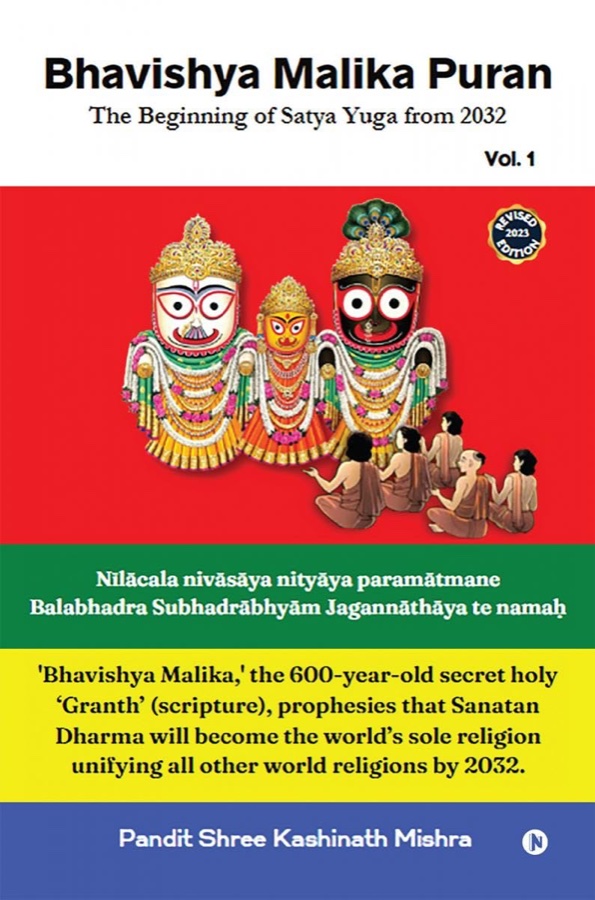
"For human civilization, Trisandhyā is like the elixir of life."
Perform Trisandhyā at all three sandhyā hours every day, read one chapter of the Śrīmad Bhāgavata Mahāpurāṇa daily, and chant the name Mādhava constantly within the mind.
Hold the following 5 teachings along with the Trikāl Sandhyā
1. Learn to obey.
2. Learn to wait.
3. Learn to love and show compassion to all living beings.
4. Restraint of the senses.
5. Give up the feeling of “I and mine, you and yours” (the sense of ego).
The Three Times of Trisandhyā
Trisandhyā Contents
- 1. Mantras
- 2. Śrī Viṣṇu Ṣoḍaśa Nāma Stotra
- 3. Śrī Daśāvatāra Stotra
- 4. Durgā-Mādhava Stuti
- 5. 108 times “Mādhava” name
- 6. Kalki Mahāmantra
- 7. Jayaghoṣa
A Humble Request Regarding Pronunciation
Please listen to the official Trisandhyā audio for true pronunciation (listening at 1.5x speed is recommended), as text transliterations may contain minor phonetic variations. We encourage you to listen as often as needed until you feel completely comfortable.
Note: Chanting of the name 'Mādhava' is to be done silently within the mind, whereas in the audio recording, 'Mādhava Gītā' is sung in that section.
1. Mantras
Bhargo Devasya Dhīmahi Dhiyo Yonaḥ Prachodayāt ॥ ] * 3 times
2. Śrī Viṣṇu Ṣoḍaśa Nāma Stotra
(Sixteen Names of Śrī Viṣṇu)
Śayane Padmanābham Ca । Vivāhe Ca Prajāpatim ॥
Yuddhe Cakradharam Devam । Pravāse Ca Trivikramam ॥
Nārāyaṇam Tanutyāge । Śrīdharam Priyasaṅgame ॥
Duḥsvapne Smara Govindam । Saṅkaṭe Madhusūdanam ॥
Kānane Narasiṃham Ca । Pāvake Jalaśāyinam ॥
Jalamadhye Varāham Ca । Gamane Vāmanam Caiva ॥
Parvate Raghunandanam ।
3. Śrī Daśāvatāra Stotra
(Daśāvatāra Stotram composed by Śrī Jayadeva Jī)
Pralaya Payodhi-jale Dhṛtavān Asi Vedam ।
Vihita Vāhitra-caritram Akhedam ॥
Keśava Dhṛta-Mīna Śarīra Jaya Jagadīśa Hare ॥ 1 ॥
Kṣitirati Vipulatare Tava Tiṣṭhati Pṛṣṭhe ।
Dharaṇī Dhāraṇa Kīṇa Cakra Gariṣṭhe ॥
Keśava Dhṛta-Kacchapa-rūpa Jaya Jagadīśa Hare ॥ 2 ॥
Vasati Daśana-śikhare Dharaṇī Tava Lagnā ।
Śaśini Kalaṅka Kaleva Nimagnā ॥
Keśava Dhṛta-Śūkara Rūpa Jaya Jagadīśa Hare ॥ 3 ॥
Tava Kara Kamala-vare Nakham Adbhuta Śṛṅgam ।
Dalita-Hiranyakaśipu-tanu Bhṛṅgam ॥
Keśava Dhṛta-Narahari Rūpa Jaya Jagadīśa Hare ॥ 4 ॥
Chalayasi Vikramane Balim Adbhuta Vāmana ।
Pāda-nakha Nīra Janita Jana-pāvana ॥
Keśava Dhṛta-Vāmana Rūpa Jaya Jagadīśa Hare ॥ 5 ॥
Kṣatriya Rudhira Maye Jagad-apagata Pāpam ।
Snāpayasi Payasi Śamita Bhava Tāpam ॥
Keśava Dhṛta-Bhṛgupati-rūpa Jaya Jagadīśa Hare ॥ 6 ॥
Vitarasi Dikṣu Raṇe Dika Pati Kamanīyam ।
Daśa-mukha Mauli-balim Ramaṇīyam ॥
Keśava Dhṛta-Raghupati Rūpa Jaya Jagadīśa Hare ॥ 7 ॥
Vahasi Vapuṣi Viśade Vasanam Jaladābham ।
Hala-hati-bhīti-milita-Yamunābham ॥
Keśava Dhṛta-Haladhara-rūpa Jaya Jagadīśa Hare ॥ 8 ॥
Nindasi Yajña Vidher Ahaha Śruti Jātam ।
Sadaya Hṛdaya Darśita Paśu-ghātam ॥
Keśava Dhṛta-Buddha-śarīra Jaya Jagadīśa Hare ॥ 9 ॥
Mleccha Nivaha Nidhane Kalayasi Karavālam ।
Dhūmaketum-iva Kim Api Karālam ॥
Keśava Dhṛta-Kalki Śarīra Jaya Jagadīśa Hare ॥ 10 ॥
Śrī-Jayadeva-kaver Idam Udītam Udāram ।
Śṛṇu Sukha-dam Śubha Dam Bhava-sāram ॥
Keśava Dhṛta-Daśa-vidha Rūpa Jaya Jagadīśa Hare ॥ 11 ॥
4. Durgā-Mādhava Stuti
(Durgā - Mādhava Stuti Recitation)
Jaya He! Durgā Mādhava Kṛpāmaya Kṛpāmayī ।
Durgāṅku Sebi Mādhava Hoile Mo Diān Saim ॥ 0 ॥
Jaya He ...
Bahu Rūpe Jaya Durge, Byāpi Achhu Sarva Thābe ।
Rāmā Umā Bāṇī Rādhā To Chhāḍā Anya Ke Nāhīṁ ॥ 1 ॥
Jaya He ...
Madana-Mohana Rūpe Byāpi Achhu Sarva Thābe ।
Mohana Citta Mohilu Śrī Sarva Maṅgalā Tuhi ॥ 2 ॥
Jaya He ...
Dharma Sansthāpanne Janma Yadi Hvanti Nārāyaṇa ।
Durgāṅku Chhāḍi Mādhava Kheli Bāra Śakti Kāhīṁ ॥ 3 ॥
Jaya He ...
Mādhavāṅka Khelā Pain Deha Dhāru Mahāmayī ।
Mādhavāṅku Pati Putra Rūpe Khelāouchhu Tuhi ॥ 4 ॥
Jaya He ...
Mādhavāṅku Durgā Kole Jehuna Dekhe Beni Dole ।
Tāhārā Bhāgyar Kathā Brahmā Śibe Na Jogāi ॥ 5 ॥
Jaya He ...
Jaya Durgati Nāśinī Abhirāmar Jananī ।
Śubhāgamana Karantu Mādhavāṅku Kole Nei ॥ 6 ॥
Jaya He ...
5. 108 times “Mādhava” name (silently)
Chant the 'Mādhava' name of Jagannātha Mahāprabhu 108 times.
Do not say it aloud. Count on your fingers and chant the name mentally.
6. Kalki Mahāmantra
Rāma Hare Kṛṣṇa Hare, Ananta Mādhava Hare ॥ ] * 11 times
7. Jayaghoṣa
The Jayaghoṣa is to be recited mentally, without speaking aloud.
(It may only be chanted aloud if you are in a standing position.)
Tvameva Mātā Ca Pitā Tvameva
Tvameva Bandhuśca Sakhā Tvameva ।
Tvameva Vidyā Draviṇam Tvameva
[ Tvameva Sarvam Mama Deva Deva ] ॥ * 3 times
Om Namo Brāhmaṇya Devāya Gobrāhmaṇahitāya Ca ।
Jagat Hitāya Kṛṣṇāya Govindāya Namo Namaḥ ॥
[ Om Ananta Koṭi Viśva Brahmāṇḍa Nātha Parabrahma Nārāyaṇa Mahāviṣṇu Bhagavān Kalkirām Śrī Śrī Śrī Satya Ananta Mādhava Mahāprabhu Jī kī Jaya! ] * 3 times
[ Mātā Mahālakṣmī Jī kī Jaya! ] * 3 times
[ Mātā Vaiṣṇo Devī Jī kī Jaya! ] * 3 times
[ Sarva Devī-Devatāom kī Jaya! ] * 3 times
[ Sudharma Mahā-Mahā Saṅgha kī Jaya! ] * 3 times
[ Sudharma Mahā-Mahā Saṅgha kī Jaya! ] * 3 times
O Lord! May all the devotees of the whole world be gathered together as soon as may be —
Say joyfully once, "Hari Hari", "Hari Hari", "Hari Hari"
O Lord! May Truth, Love, Compassion, Forgiveness and Peace be established upon this earth, entire universe as soon as may be —
Say joyfully once, "Hari Hari", "Hari Hari", "Hari Hari" * 3 times
Jai Śrī Mādhava
Important Instructions
Even now, when both science and spirituality sense the approach of the great change to come, humanity has no certain means of overcoming this crisis. According to the ‘Bhaviṣya Mālikā’ — give up sinful deeds, and let the people of every faith adopt ‘Trisandhyā’ for the protection of life.
At this time of the turning of the age, this secret principle is the one and only Mṛta Sañjīvanī for the protection of life.
Those who wish to reach Satyayuga should hold these teachings in their own lives.
According to the instructions of Lord Kalki at the time of the establishment of Dharma, we should follow these things in our lives:
1. Show compassion to all living beings. Give up eating meat and adopt a sāttvic life. Do not harm any living being or any human in any way.
2. In this age, chant the name of Mādhava (the Lord). If you wish, you may chant aloud or remember His name silently in the mind.
3. Every person should hold to these five virtues: Truth, Love, Compassion, Forgiveness and Peace.
4. Every person should take part in Satsaṅga regularly. Satsaṅga means gathering together to sing the qualities of God, to describe His glory, and to hold spiritual discussion.
5. Perform Trisandhyā every day — remember and praise the Lord at morning, midday and evening.
6. Chant the Kalki Mahāmantra given by Lord Kalki every day.
7. Every person should walk upon the path of Dharma.
8. Rising above caste and religious discrimination, hold Satsaṅga with everyone.
9. Give up the feeling of “I” and “mine.” Such pride and attachment carry a person away from their true spiritual nature.
10. Read the Śrīmad Bhāgavata Mahāpurāṇa at home every day. As time allows, study bhajan, kīrtan, the Purāṇas, the scriptures, the Bhaviṣya Mālikā and other spiritual texts.
11. Address every woman as “Mother”/“Mā” and every man as “Brother.”
12. Before eating, first offer the food to the Lord.
13. If you wish to know more about Lord Kalki and this great work, contact the mobile number given at the end of this booklet.
Most Common Questions
1. General questions about the Trisandhyā practice
Trisandhyā may be done without bathing. Place your hand upon your forehead and remember Mother Gaṅgā, saying “Śrī Gaṅge” three times. If it is possible, wash your feet beforehand and sprinkle a little water upon yourself.
Trisandhyā may be done anywhere — on the road, in a train, in a vehicle, at your place of work, or silently within the heart. In one form or another, in some place or other, it must be done without fail.
The Śrīmad Bhāgavata Mahāpurāṇa should be read only after bathing, when pure. During the days of menstruation Trisandhyā is done at all three times as usual — aloud or within the heart. For those seven days the Śrīmad Bhāgavata Mahāpurāṇa is not to be read, though it may be heard.
During sūtak also, Trisandhyā may be done at all three times; but at that time the Śrīmad Bhāgavata Mahāpurāṇa should be neither read nor heard, and Satsaṅga should not be joined. In both cases the Śrīmad Bhāgavata Mahāpurāṇa and other articles of worship should not be touched.
2. What should be done if the full Trisandhyā is not possible at the right time?
If the full Trisandhyā is not possible at the right time, then do the short Trisandhyā at that time, and do the full Trisandhyā later when time permits.
The Trikāl Sandhyā may be done anywhere — at the place of work, while walking on the road, while driving, at school, or even while doing any other work: silently, within the mind. Doing the Trisandhyā at its proper time, in whatever place, is absolutely necessary.
If the Trikāl Sandhyā cannot be done at the proper time, take the name of Lord Mādhava and repent, and pray to the Lord that from now on it may be done at the proper time; for the scriptures declare that the Trikāl Sandhyā ought to be done at its proper time.
The method of the Trikāl Sandhyā when there is no time
The śloka given by Paṇḍitjī in the Google Meet. When the occasion to do the sandhyā does not come and the time begins to pass, then in place of the sandhyā you may chant the name of Mādhava 108 times, Jai Durgā Mādhava 11 times, and recite the śloka given below once.
Daśāvatāra Stotram (final verse)
Vedān uddharate jagannivahate bhūgolam udbibhrate
daityaṁ dārayate baliṁ chalayate kṣatrakṣayaṁ kurvate,
paulastyaṁ jayate halaṁ kalayate kāruṇyam ātanvate
mlecchān mūrcchayate daśākṛtikṛte Kṛṣṇāya tubhyaṁ namaḥ.
3. How should students do Trisandhyā along with their daily routine?
Students should do the morning (Brahma Muhūrta) and evening sandhyā at the proper time, according to the rule. Because of the demands of school or study, they may complete the midday sandhyā within the heart, meditating on the Lord in the mind.
4. How should Trisandhyā be done at the place of work?
There is no rule of place for Trisandhyā. You may do it wherever you are — at your desk, in a factory, in a shop, in a field, or on the road.
If it is not possible to say it aloud, do it within the heart; the heart is place enough. If it is possible, take off your shoes and sit for a moment; and if even that is not possible, do not abandon Trisandhyā for that reason.
If you do not remember it and it is possible, you may listen to the Trisandhyā audio. The main thing is that it is not missed.
5. If household work leaves no time, how should the Trisandhyā practice be followed?
Do Trisandhyā while you work — for this no free time need be awaited; even while the hands are busy it can be done within the heart.
For the Bhāgavata, take out whatever little time you can find — if a full chapter is possible then a chapter, and if not, a single page, or even a single śloka. Let this be kept in mind, that not even one day passes without the reading.
6. How should women follow the Trisandhyā practice at the time of menstruation?
At the time of menstruation, the Bhāgavata is not to be read for the full seven days. It may be heard.
Do Trisandhyā at all three times. If you do not remember it, listen to it.
(Do not touch the Śrīmad Bhāgavata Mahāpurāṇa, or other articles of worship.)
7. If one person in a family follows the Trisandhyā practice, will all of them receive its fruit?
It is necessary for every person to follow it themselves. If someone in the family cannot read, let them hear the Trisandhyā and the Bhāgavata. And for those who cannot speak or hear, make the effort, as far as is possible, to have them write the name ‘Mādhava’ again and again.
8. If we eat nonveg and drink alcohol, can we start trisandhyā?
No, before starting Trisandhyā one must adopt a completely vegetarian lifestyle, should not even consume egg. Any kind of intoxication (such as alcohol, bhāṅg, cigarettes, tobacco products, pān masālā, guṭkā, etc.) should also be stopped affirmatively.
9. Do we need to abstain from Onion and Garlic to start Trisandhyā?
No, you can do Trisandhyā even if you eat Onion and garlic. Only all kinds of non veg should be avoided (including egg).
10. Can women chant Gāyatrī Mantra and Trisandhyā?
Yes, women should chant gāyatrī mantra thrice during trisandhyā.
11. Can we chant Gāyatrī Mantra without The Upnayan Saṃskār (janeu)?
Yes, you can chant Gāyatrī Mantra even if you do not wear the sacred janeu thread. You can recite all mantras of Trisandhyā without being dīkṣit to a guru as well.
12. Can we chant Gāyatrī Mantra without Śāp vimocan (curse absolution)?
Yes, you should chant The Gāyatrī Mantra thrice at the time of doing Trisandhyā, without doing any curse absolution.
13. If one is illiterate, differently abled, infant or a senior citizen, incapable of reading Trisandhyā, what should they do?
If someone is incapable of reading the Trisandhyā text, they can listen to its audio thrice a day at the time of Trisandhyā. Infants are exempted if their mothers do Trisandhyā (they'll be benefited). However, they must practice Trisandhyā as they grow up.
Viśva Sanātan Dharama Sevā Trust
For Trisandhyā and other religious information, contact on WhatsApp:
+91 9923071727
Official Websites and YouTube Channels
Kalki Avatār - The Official Channel: https://www.youtube.com/@Kalki_Avatara
Dynasty Of Lord KALKI (Path to a New World): https://youtube.com/@dynastyofkalki
KalkiAvatārRussian: https://youtube.com/@kalkiavatarrussian
kalkiavātartelugu: https://youtube.com/@kalkiavatartelugu
kalkiavātarspanish: https://youtube.com/@kalkiavatarspanish
kalkiavātarkannada: https://youtube.com/@kalkiavatarkannada
Jai Śrī Mādhava
──────────────── ✦ ────────────────