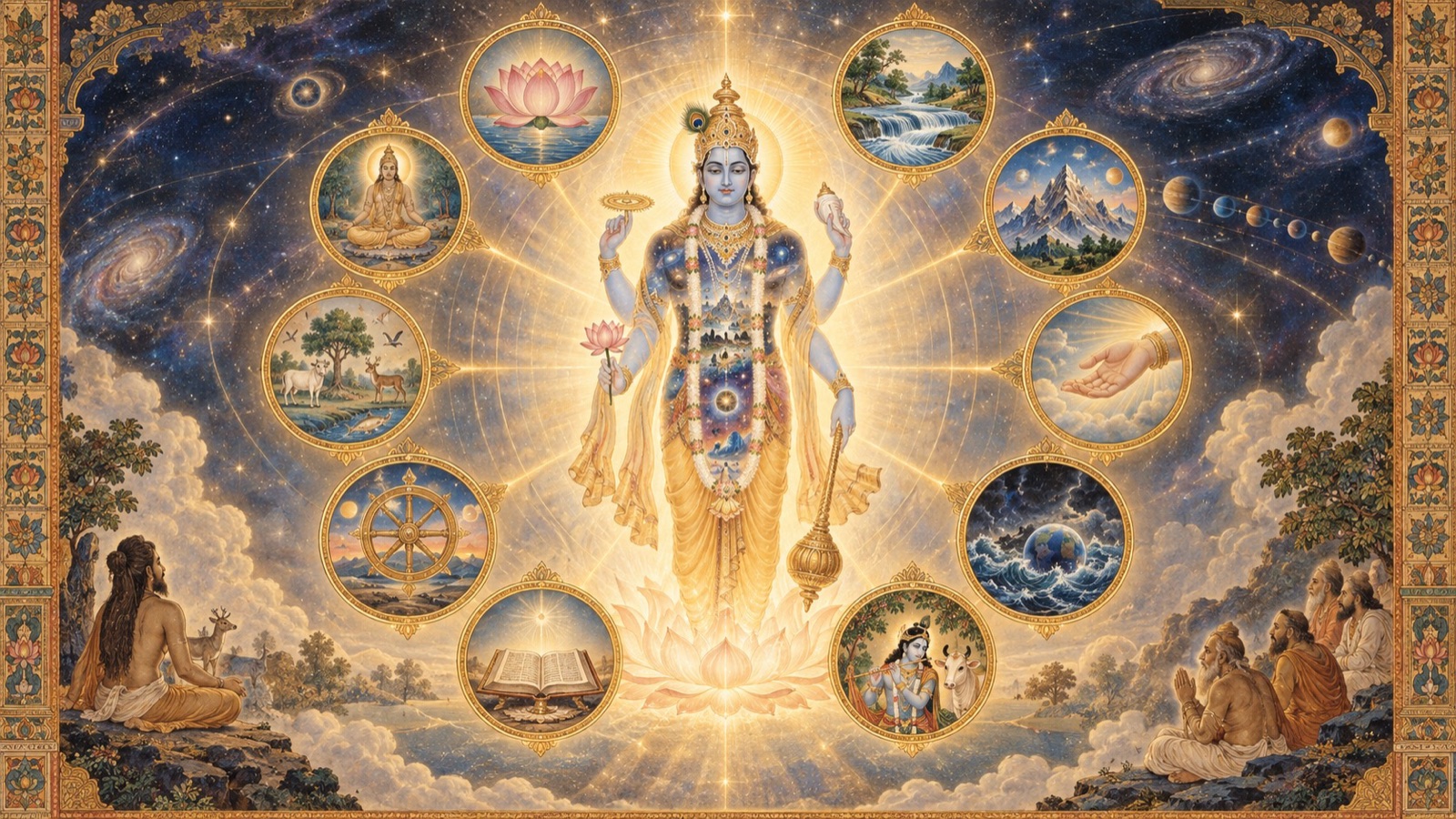
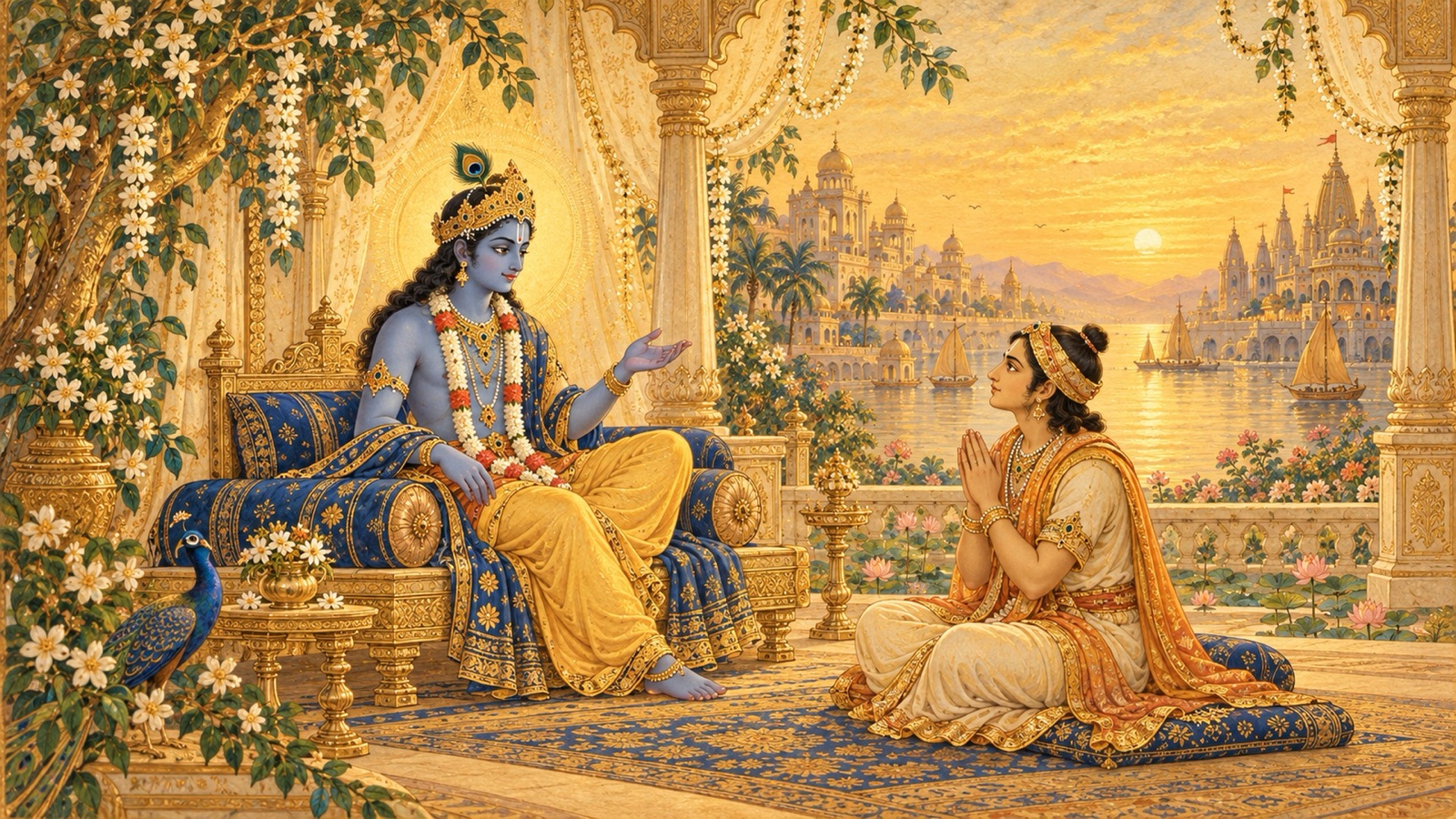
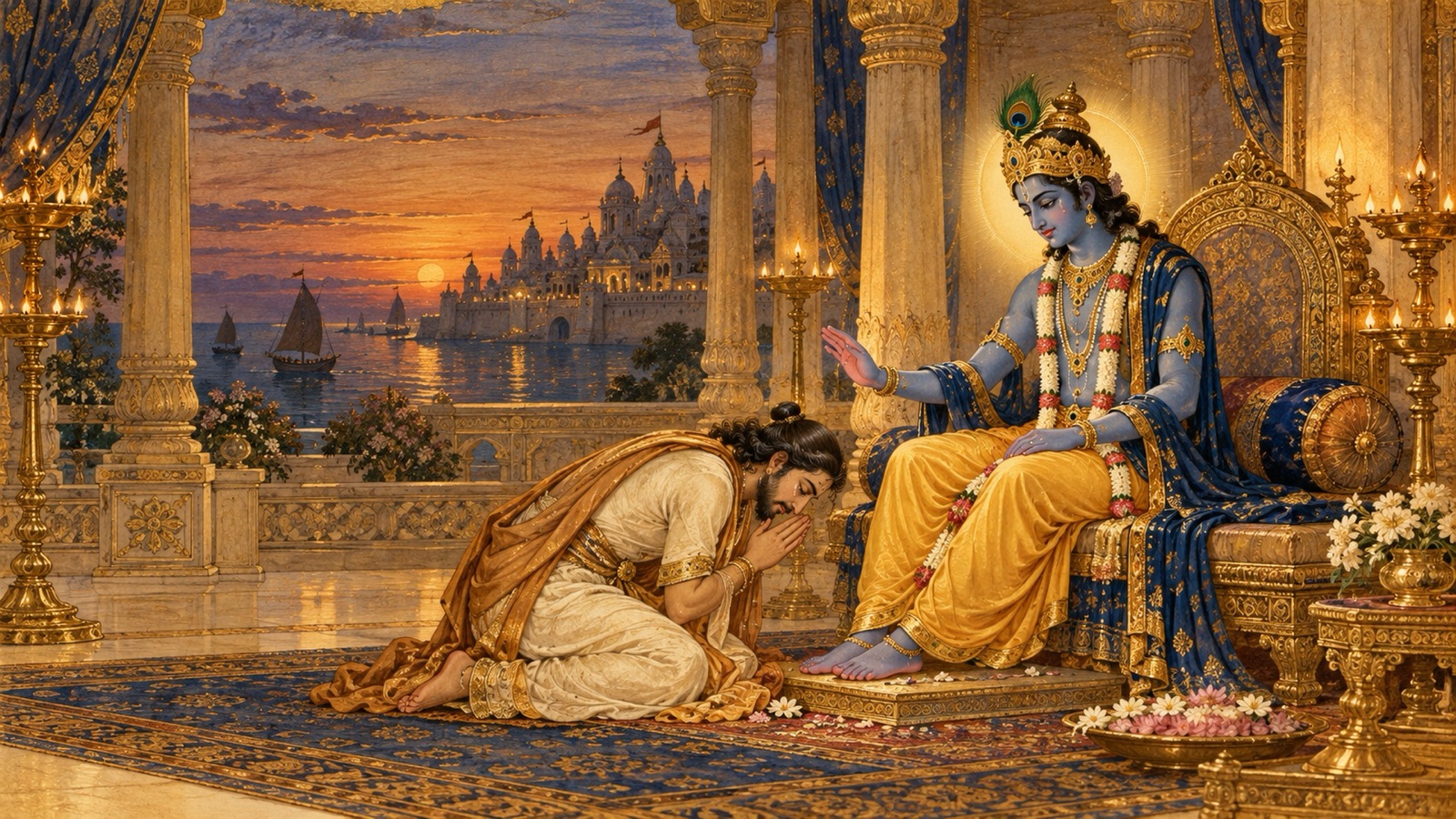
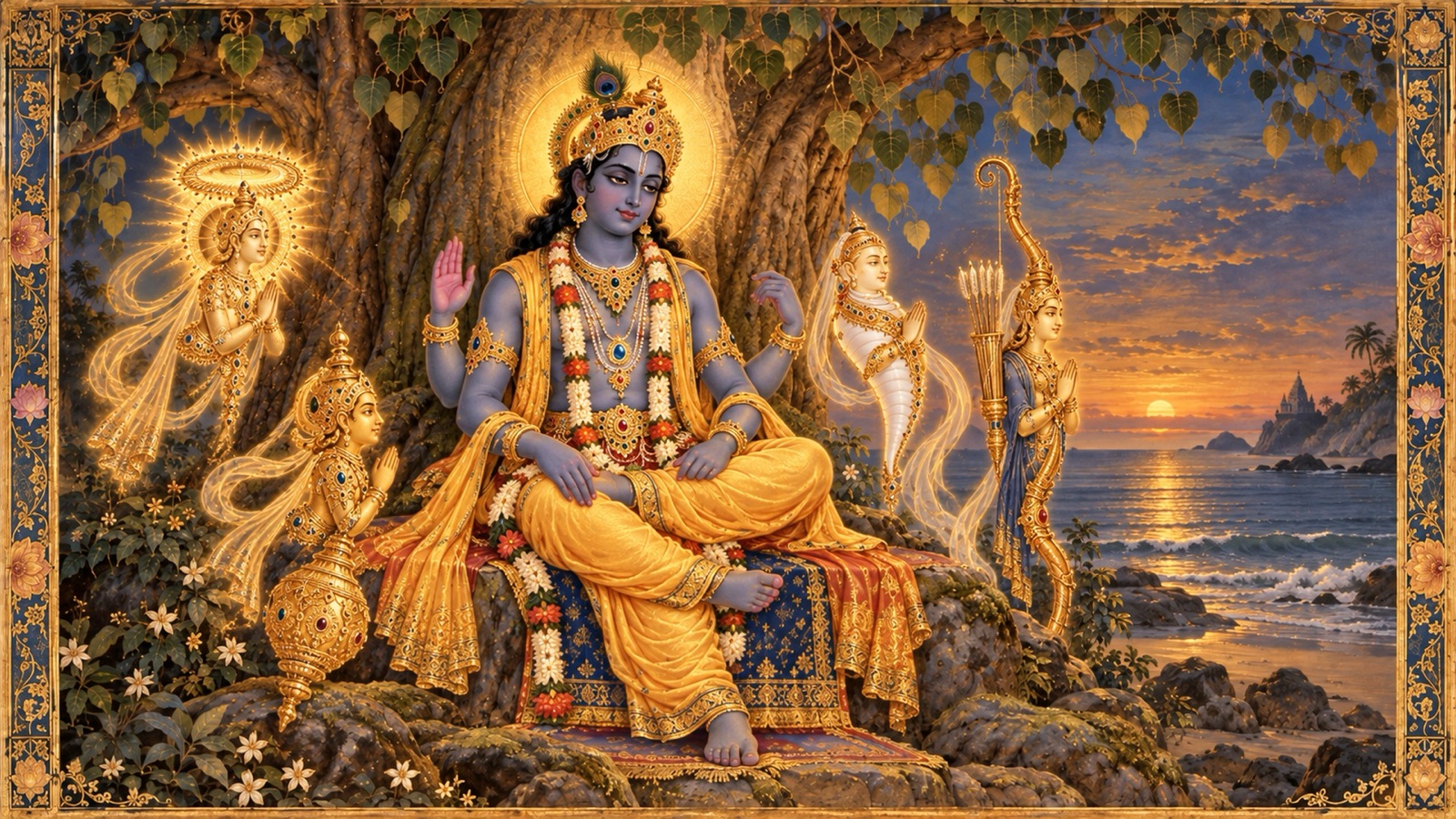
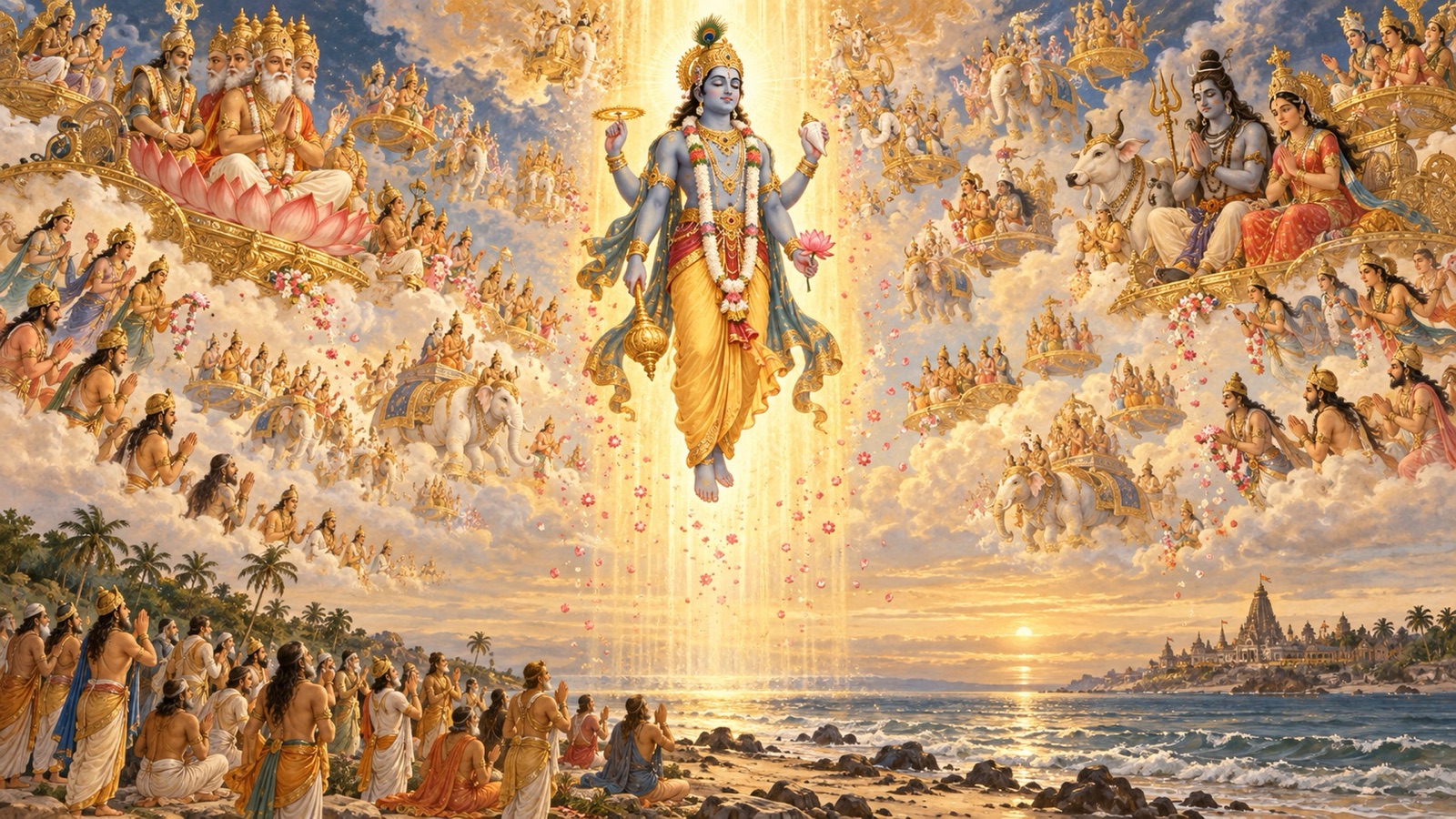
Srimad Bhagavat Mahapuran, if read with full faith, transforms the reader very quickly, and the reader receives its maximum benefit — which is developing pure love for the Supreme Lord Madhava. This is the conclusion of most of our revered scriptures.
The Brahma Purāṇa consists of ten thousand verses, the Padma Purāṇa of fifty-five thousand, Śrī Viṣṇu Purāṇa of twenty-three thousand, the Śiva Purāṇa of twenty-four thousand and Śrīmad-Bhāgavatam of eighteen thousand. The Nārada Purāṇa has twenty-five thousand verses, the Mārkaṇḍeya Purāṇa nine thousand, the Agni Purāṇa fifteen thousand four hundred, the Bhaviṣya Purāṇa fourteen thousand five hundred, the Brahma-vaivarta Purāṇa eighteen thousand and the Liṅga Purāṇa eleven thousand. The Varāha Purāṇa contains twenty-four thousand verses, the Skanda Purāṇa eighty-one thousand one hundred, the Vāmana Purāṇa ten thousand, the Kūrma Purāṇa seventeen thousand, the Matsya Purāṇa fourteen thousand, the Garuḍa Purāṇa nineteen thousand and the Brahmāṇḍa Purāṇa twelve thousand. Thus the total number of verses in all the Purāṇas is four hundred thousand. Eighteen thousand of these, once again, belong to the beautiful Bhāgavatam.
When a child is sick, sometimes parents need to give bitter syrup so that the child can be cured of the disease. But the child will often refuse the syrup because of its bitterness. The mother, who knows the heart of the child, will take that bitter syrup and nicely turn it into a sweet juice or smoothie. The child who earlier refused the syrup will now happily drink it, because it has become a drink of his own choice. The bitter medicine, actually so beneficial to the child, now enters the body easily as the sweet juice he desires. Similarly, the series of stories in Srimad Bhagavatam are like that sweet juice — very attractive and entertaining to the ear and mind of the reader — while the medicine-like instructions containing the Vedic principles are intertwined in the narrative of the story. As they enter the heart of the listener through the ear, they cleanse and purify the heart of the listener.
We sincerely wish that all of us read the Bhagavatam with the same great faith, love and dedication that our beloved Pandit Dr. Shri Kashinath Mishra has repeatedly asked of us, and let these stories cleanse our hearts and increase our love for our dear Lord.
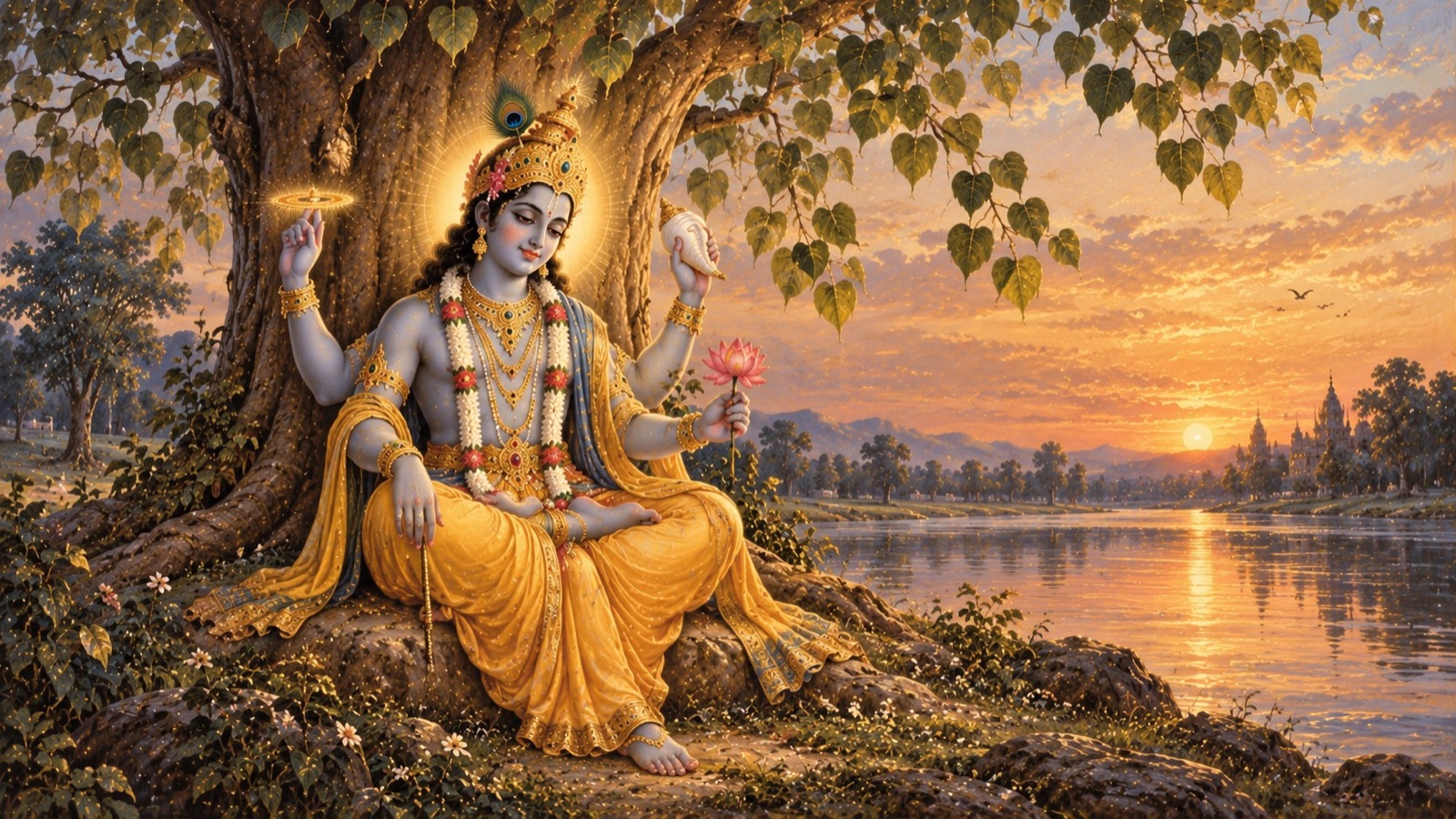
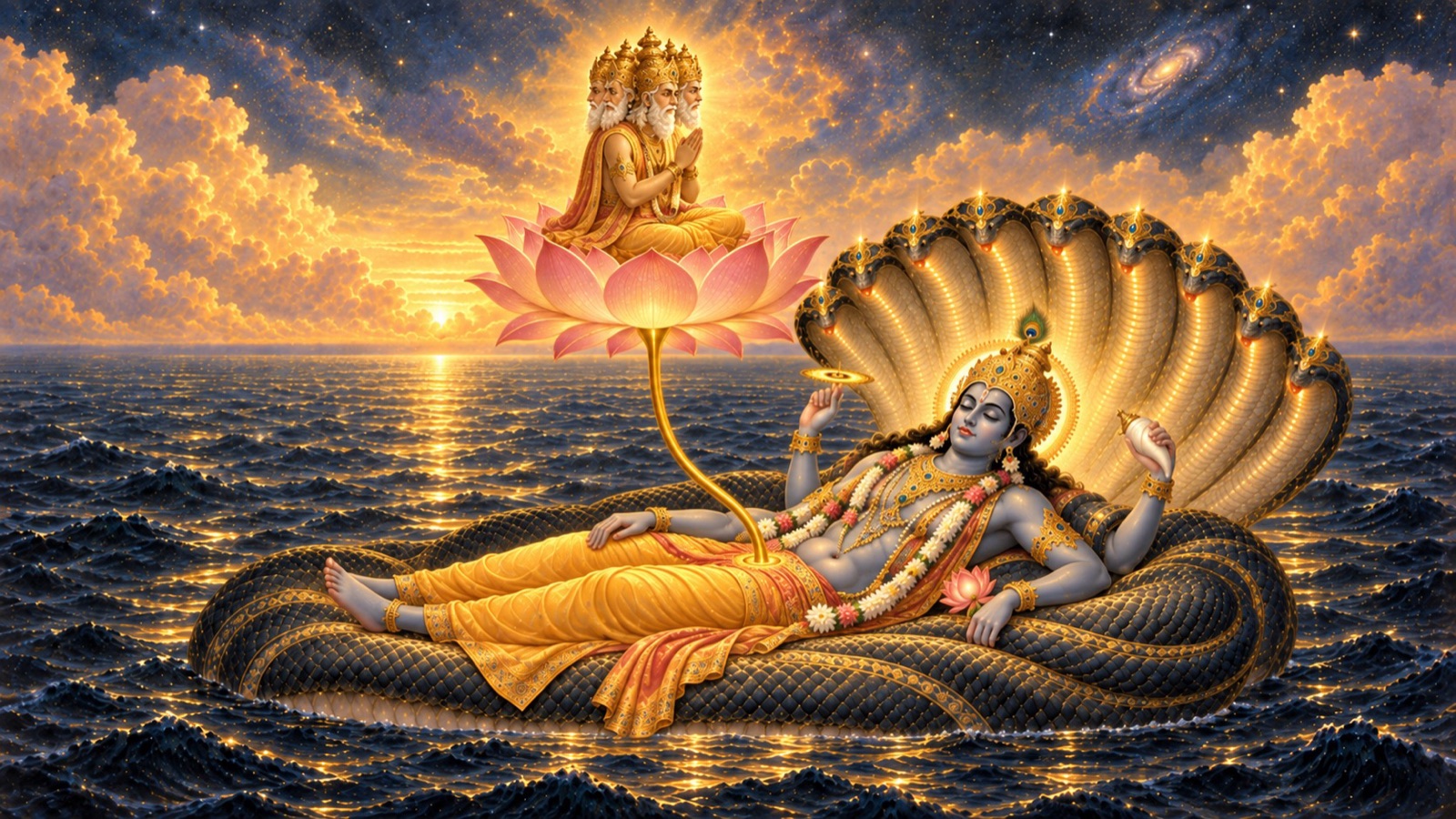
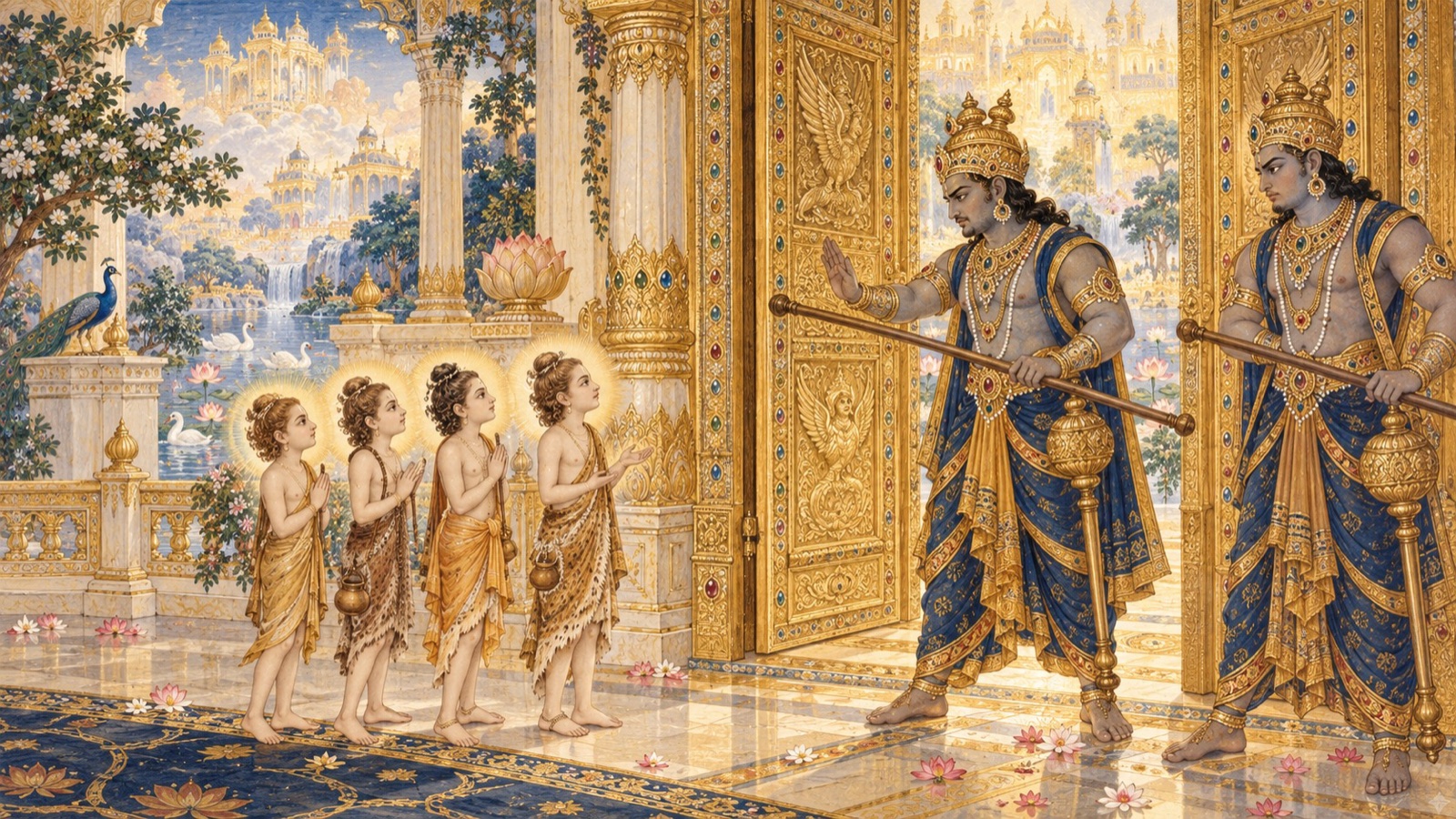
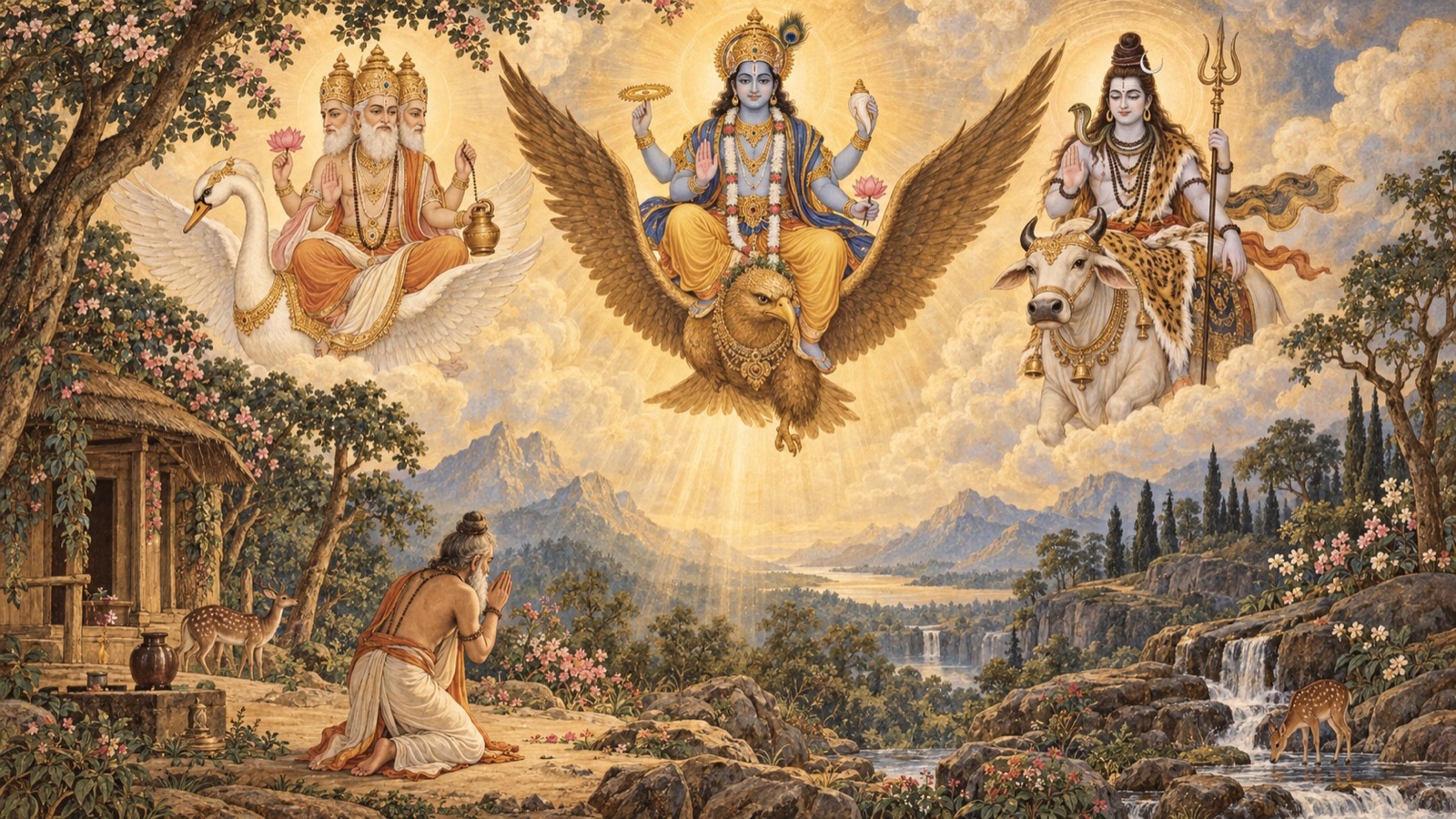
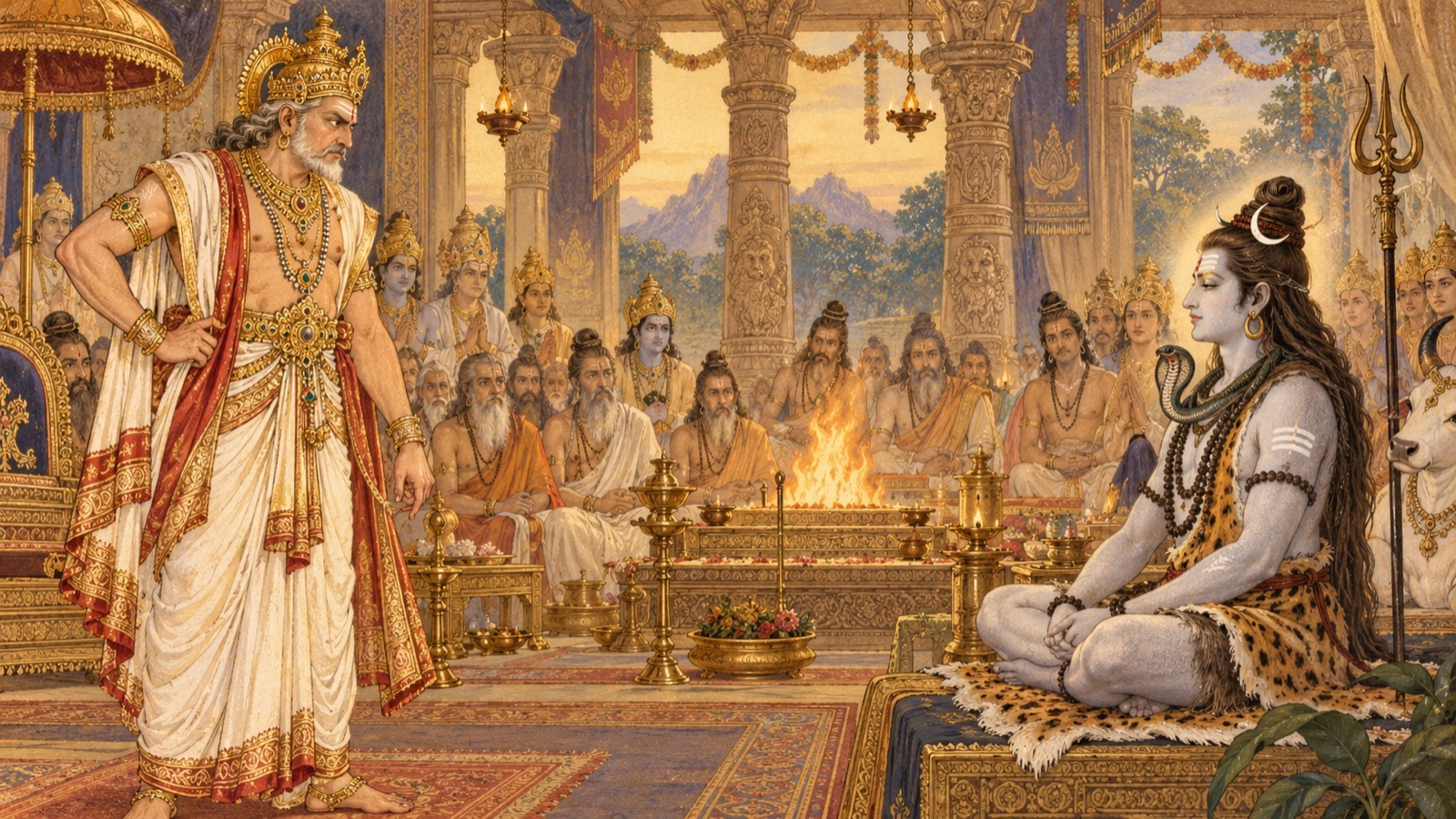
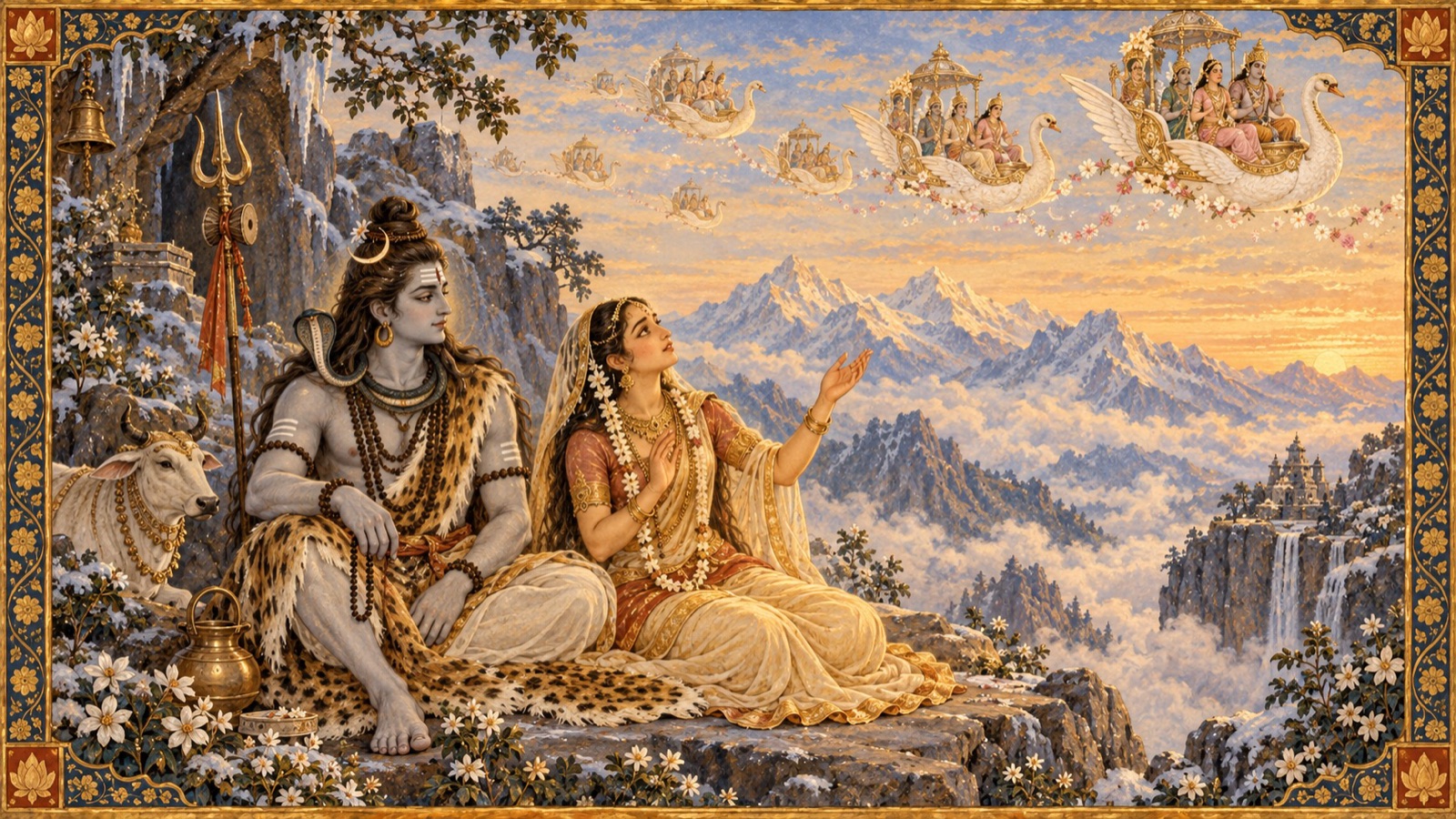
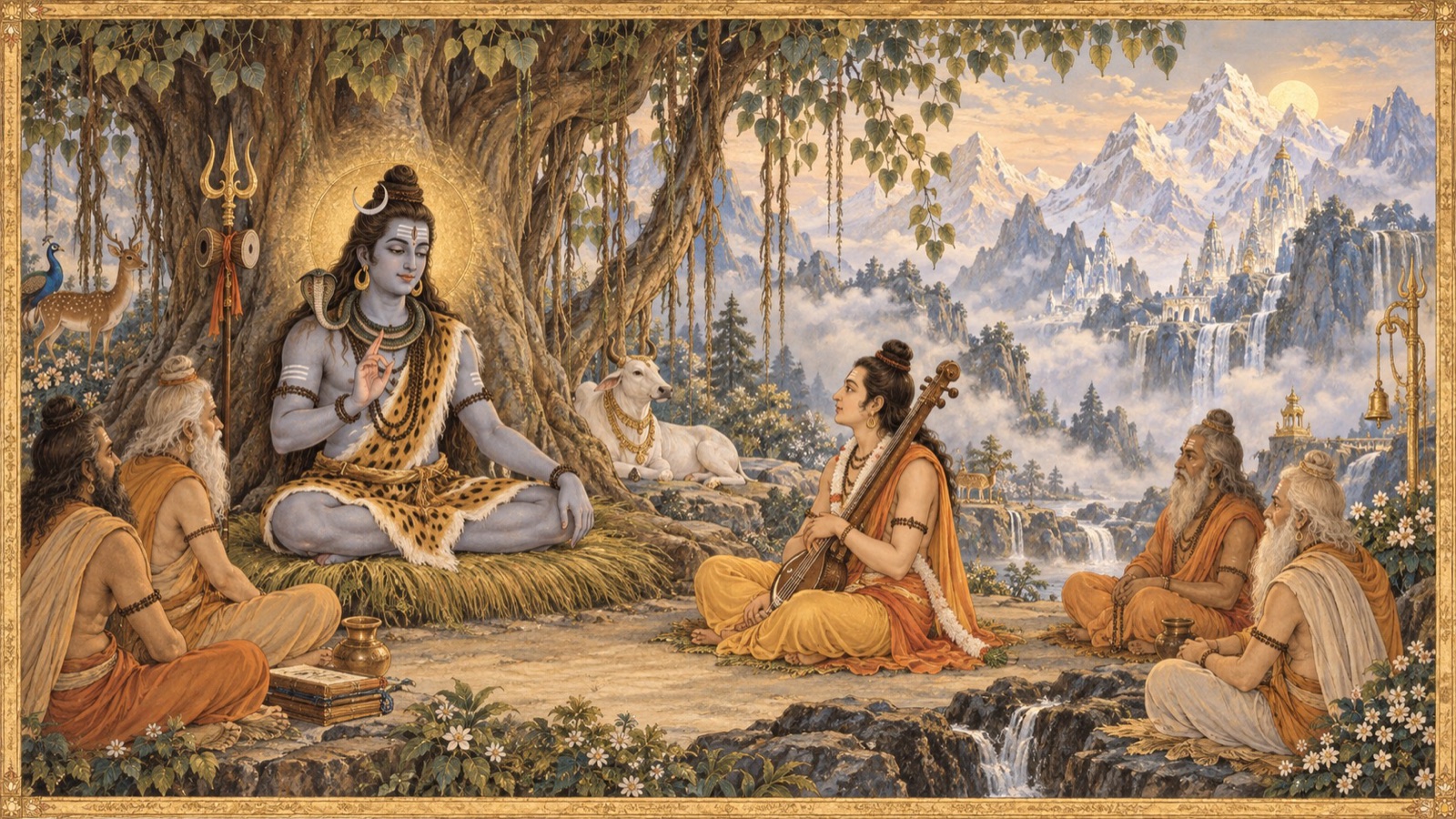
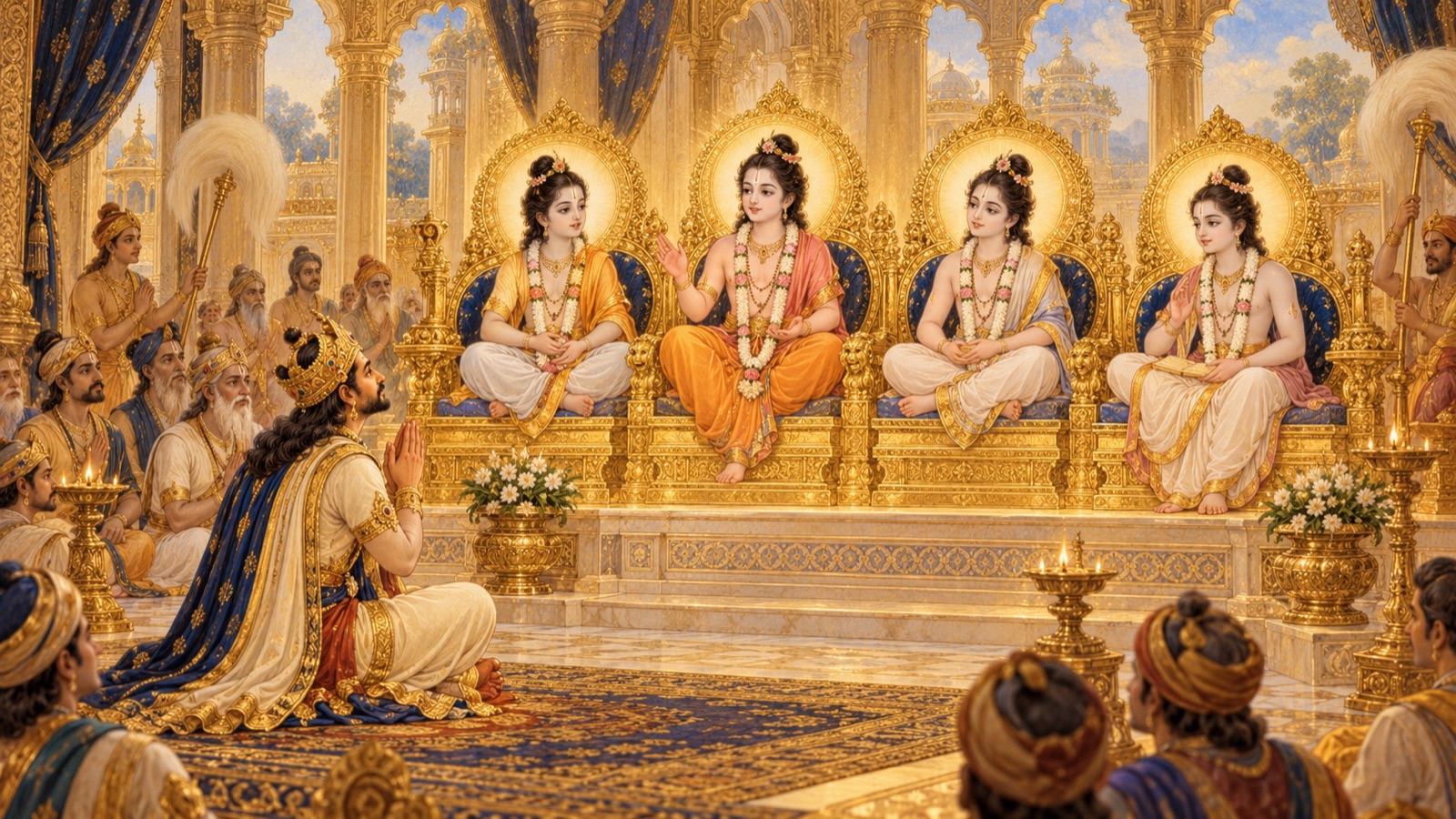
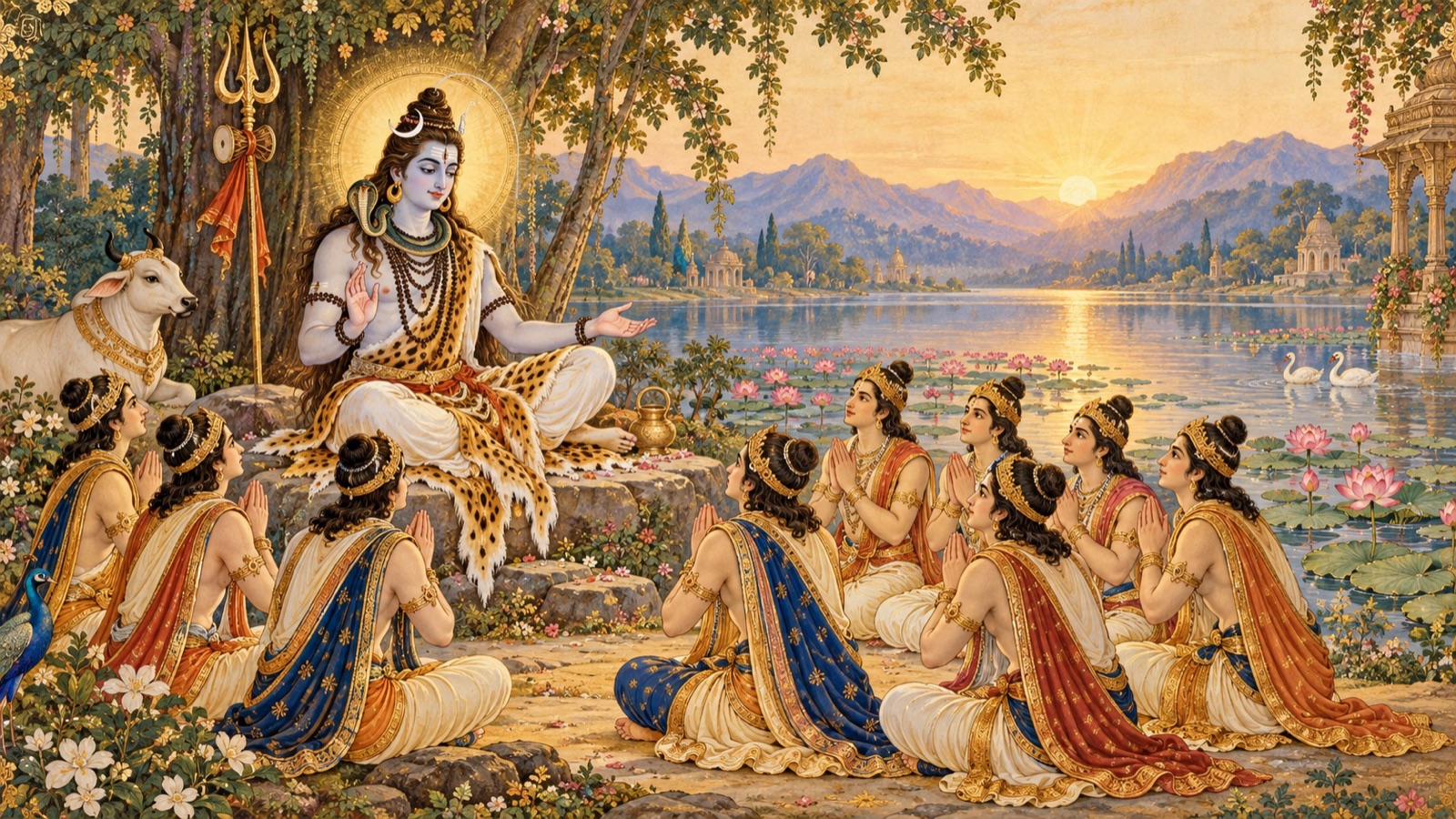
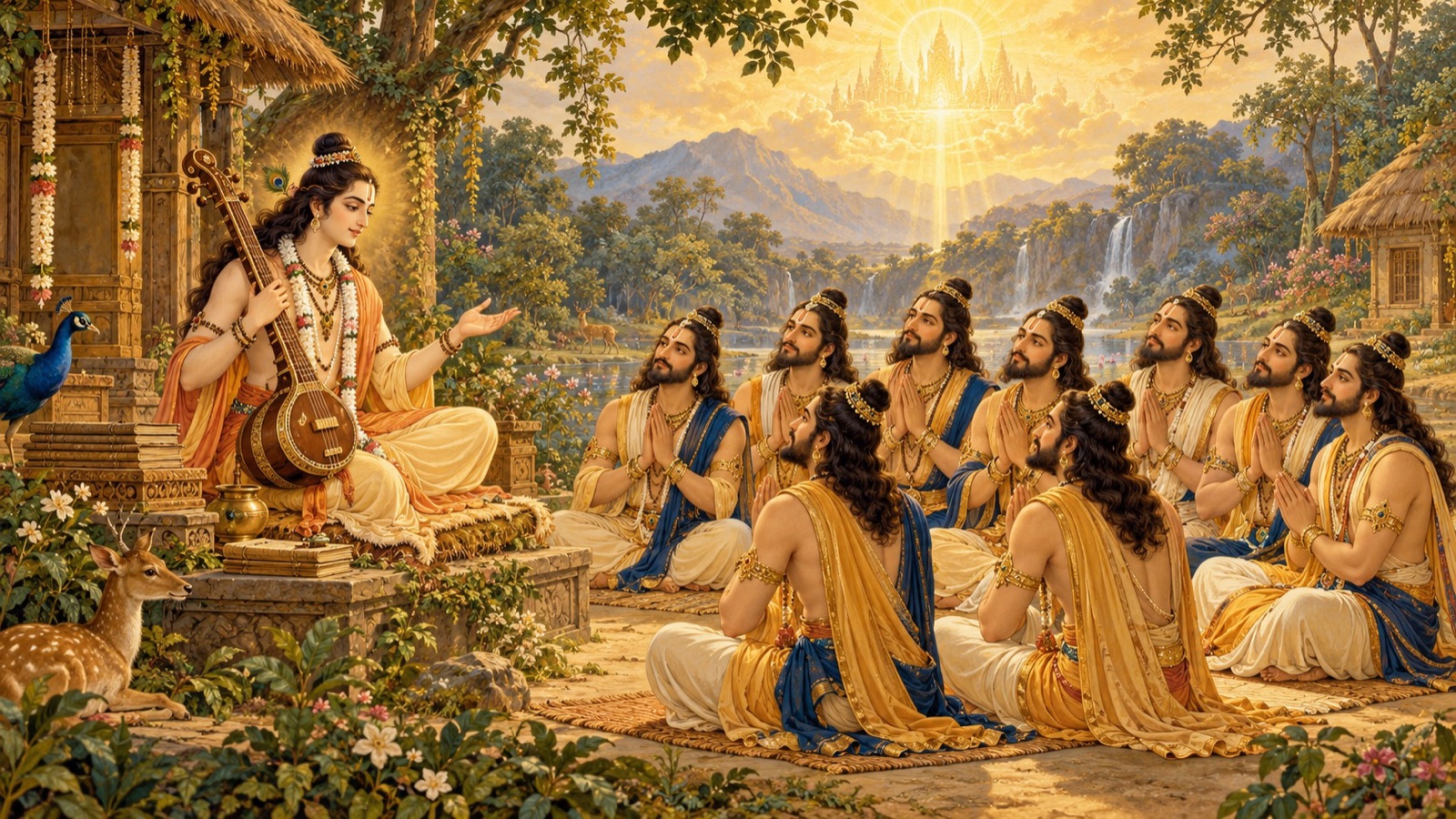
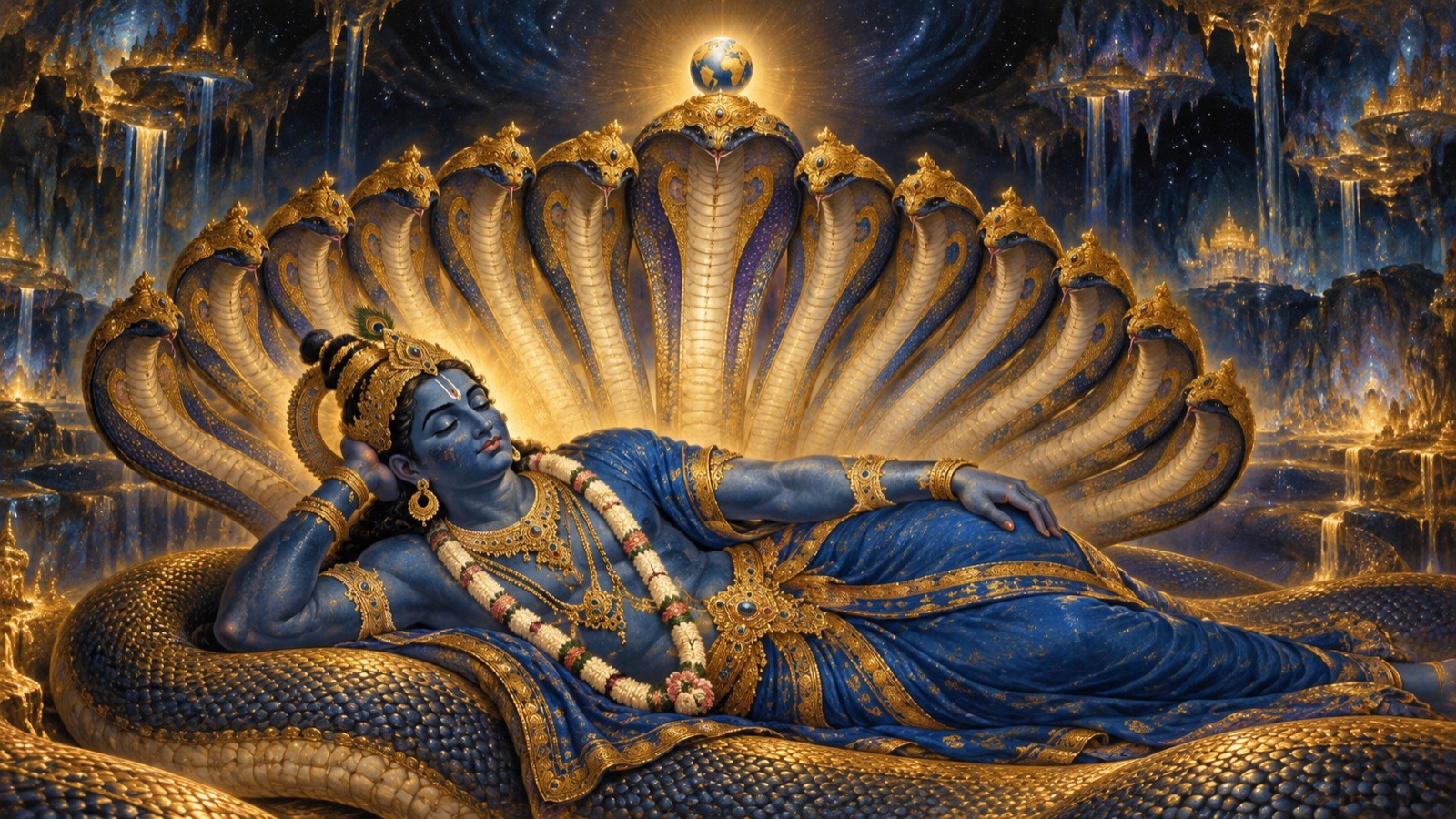
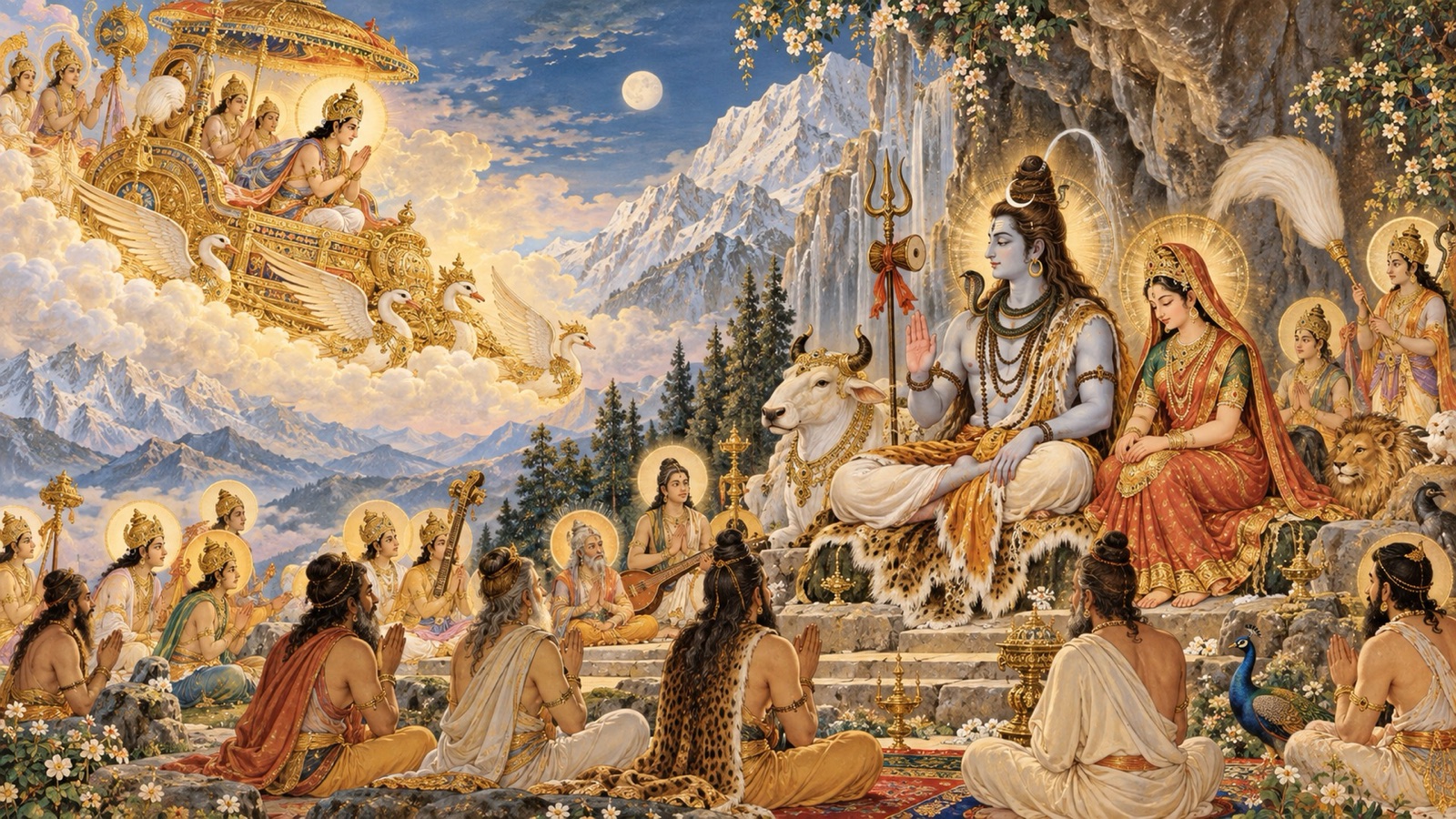
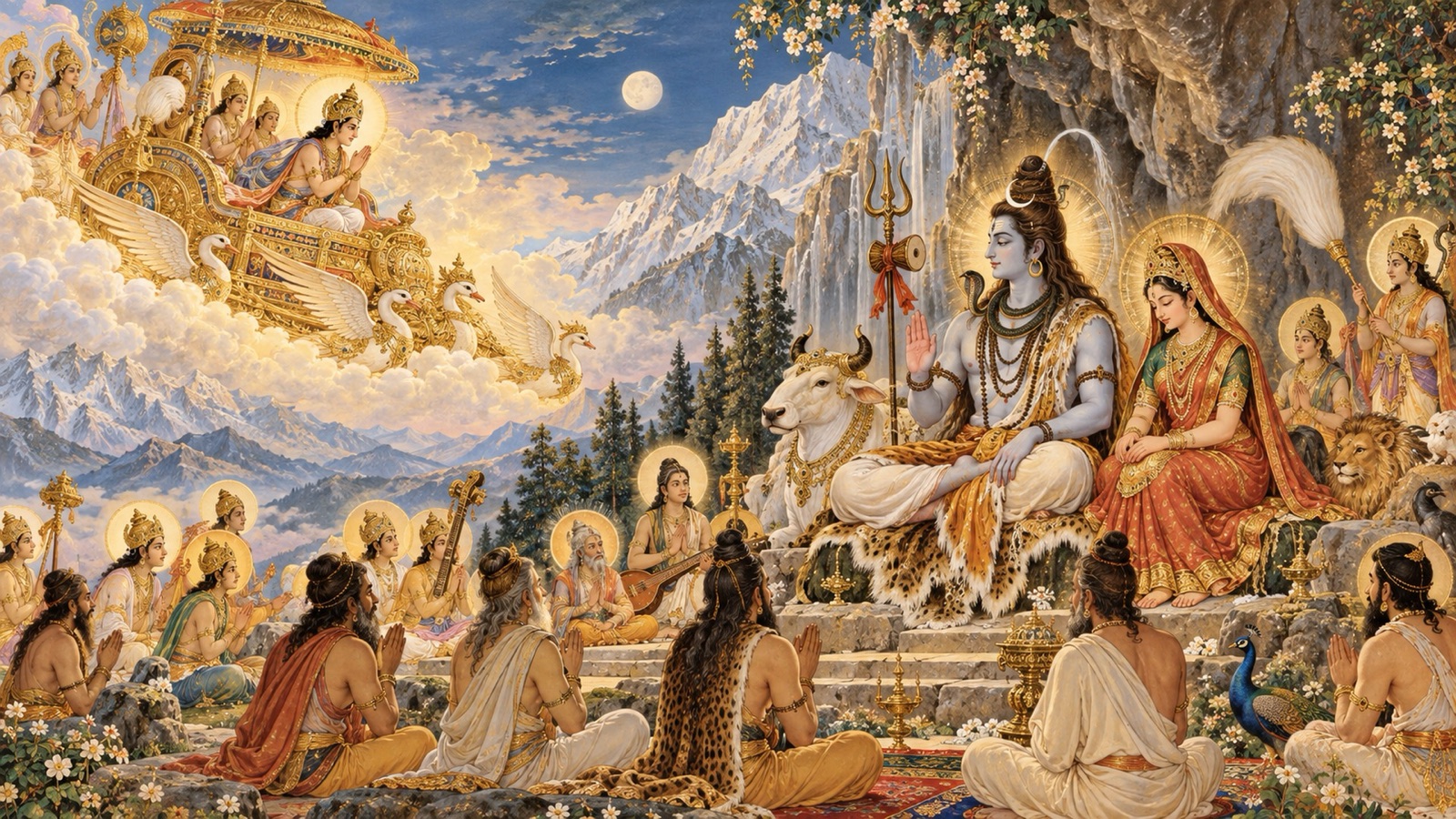
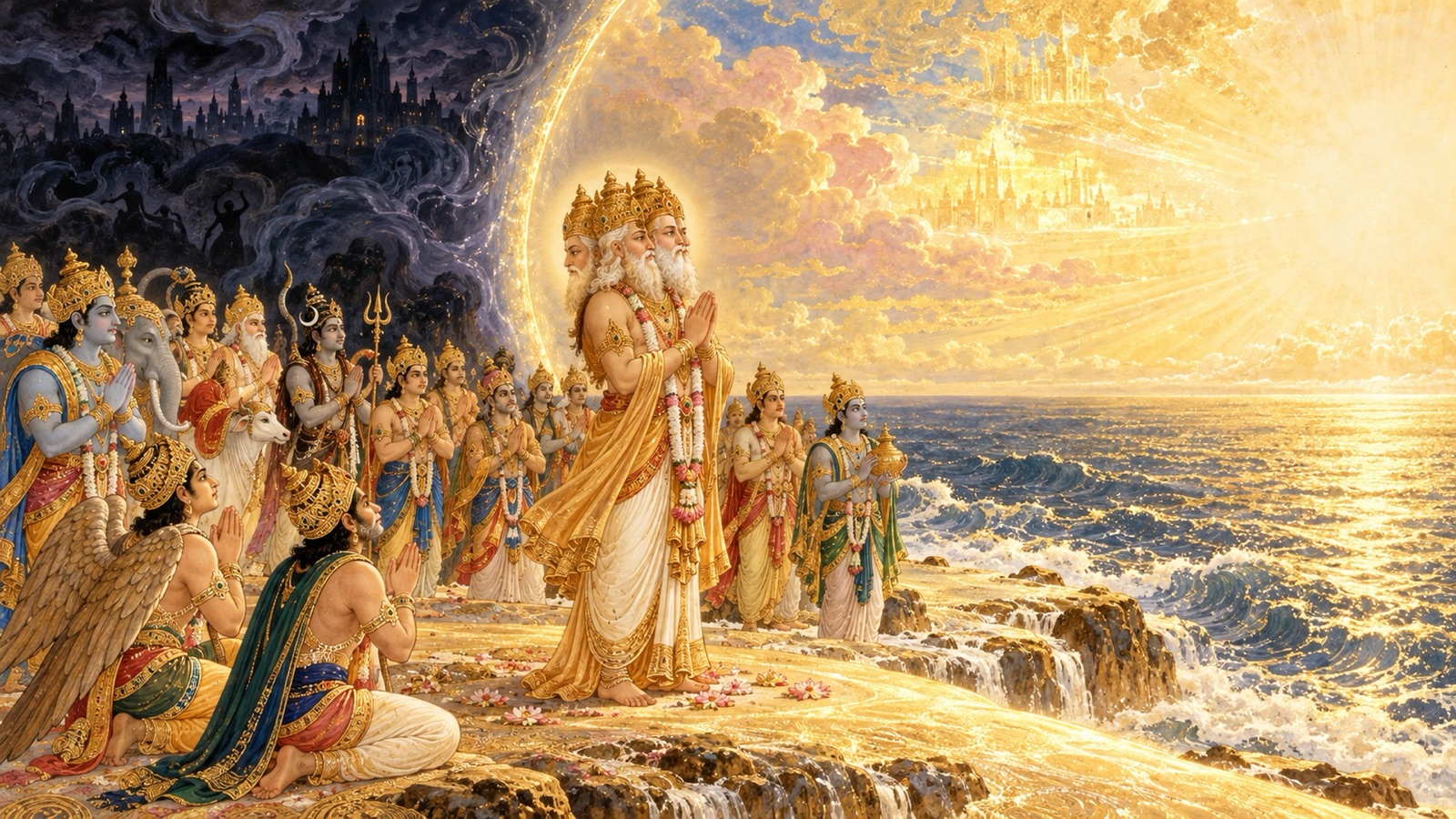
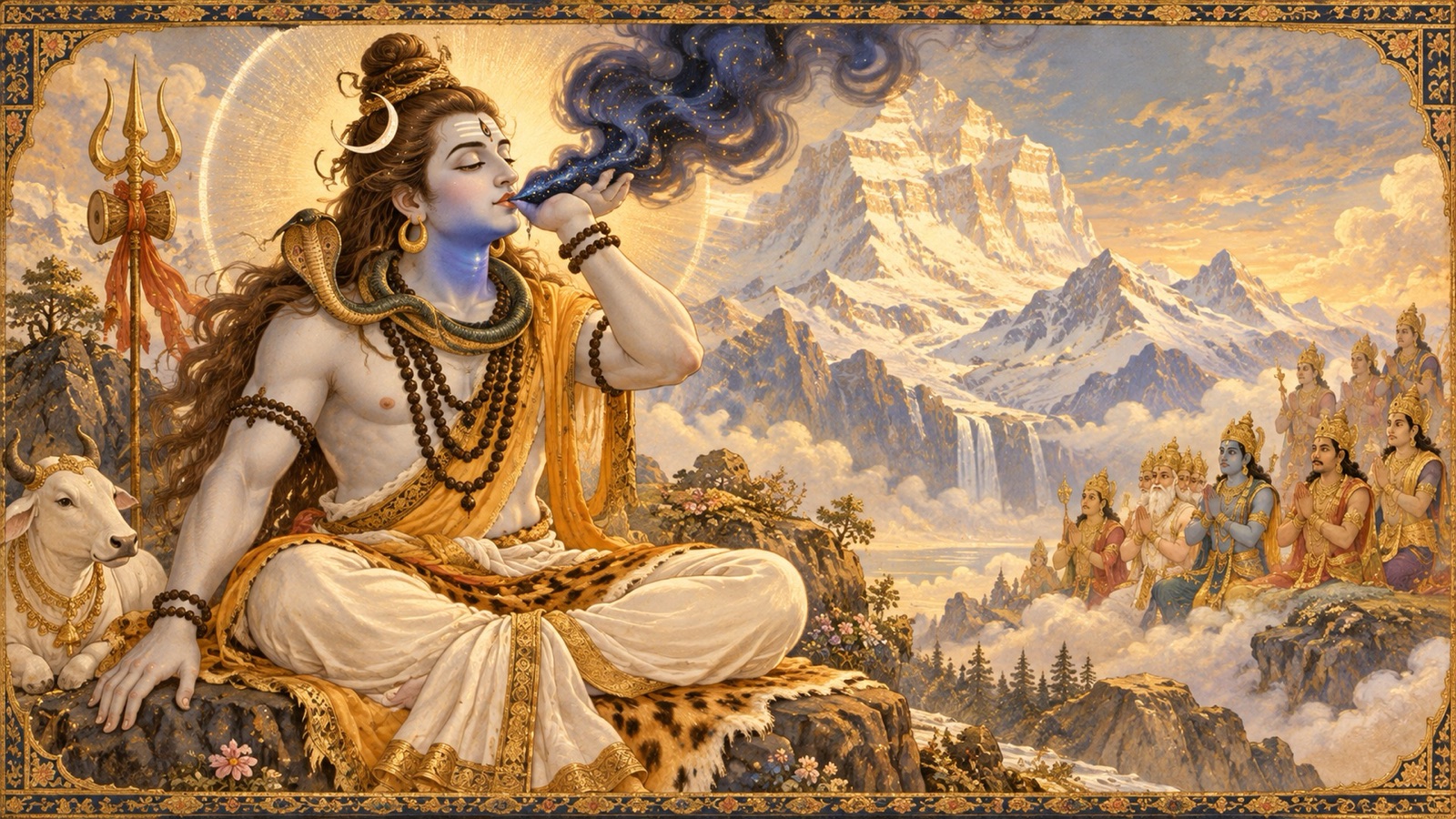
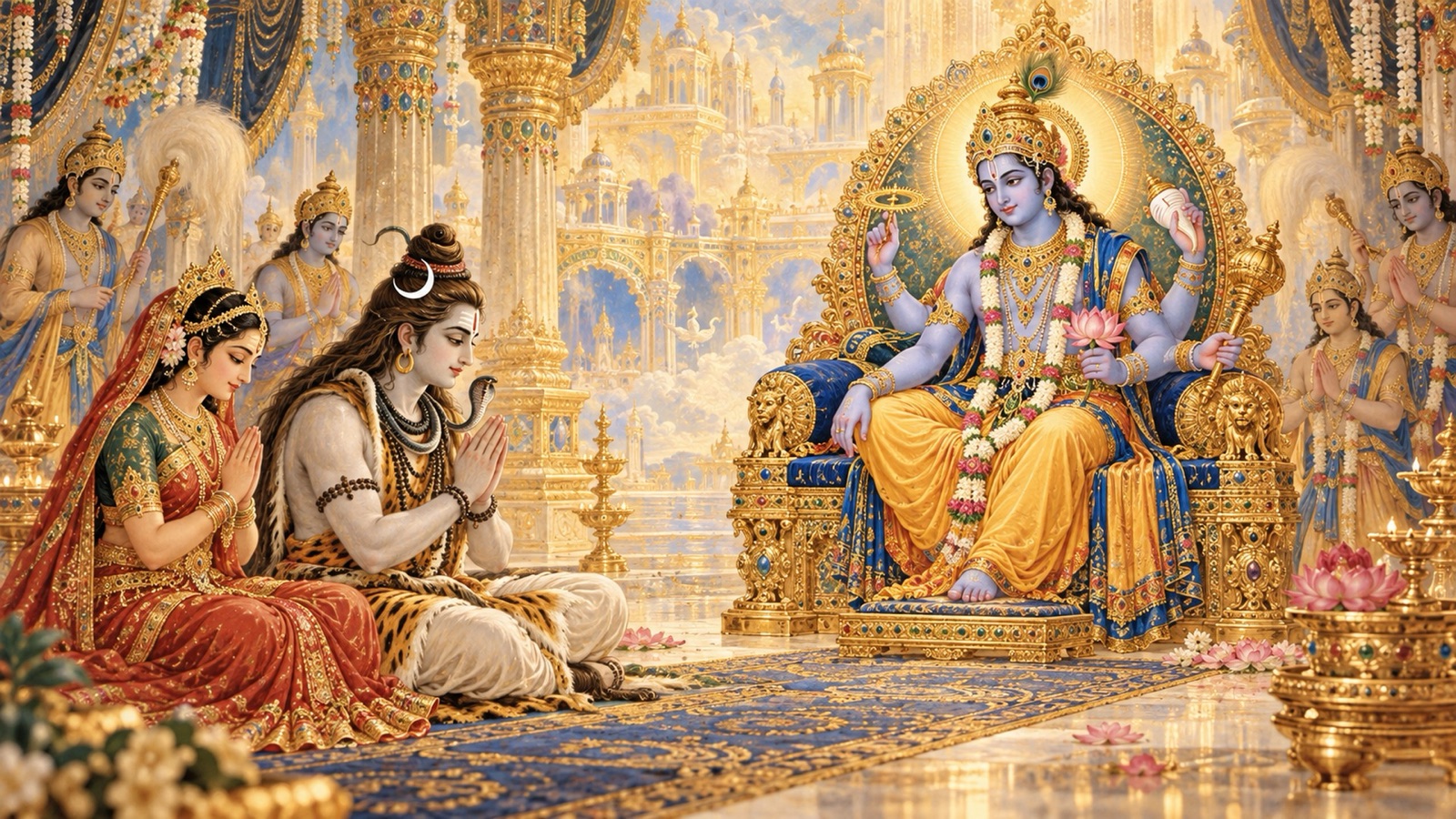
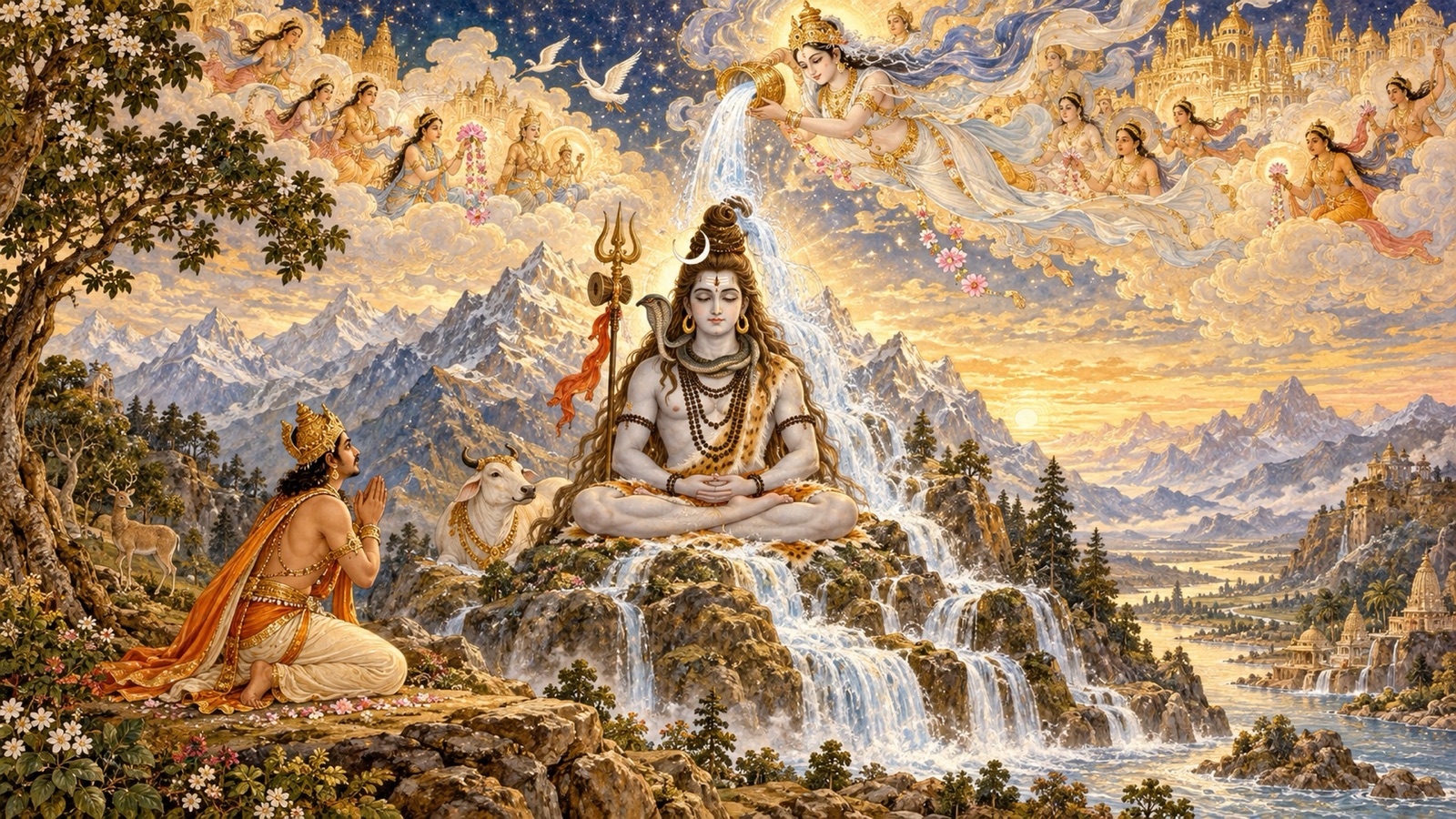
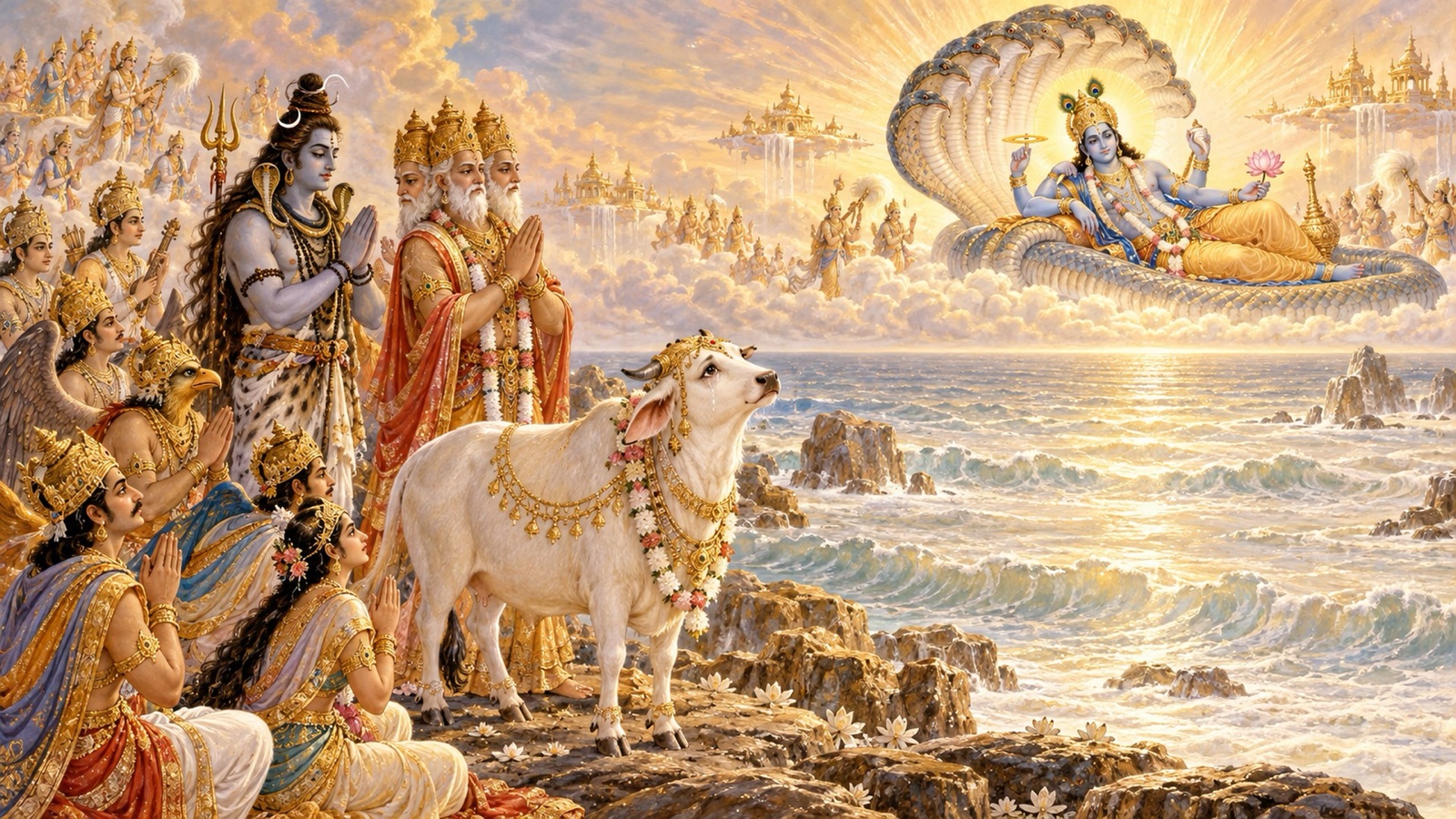
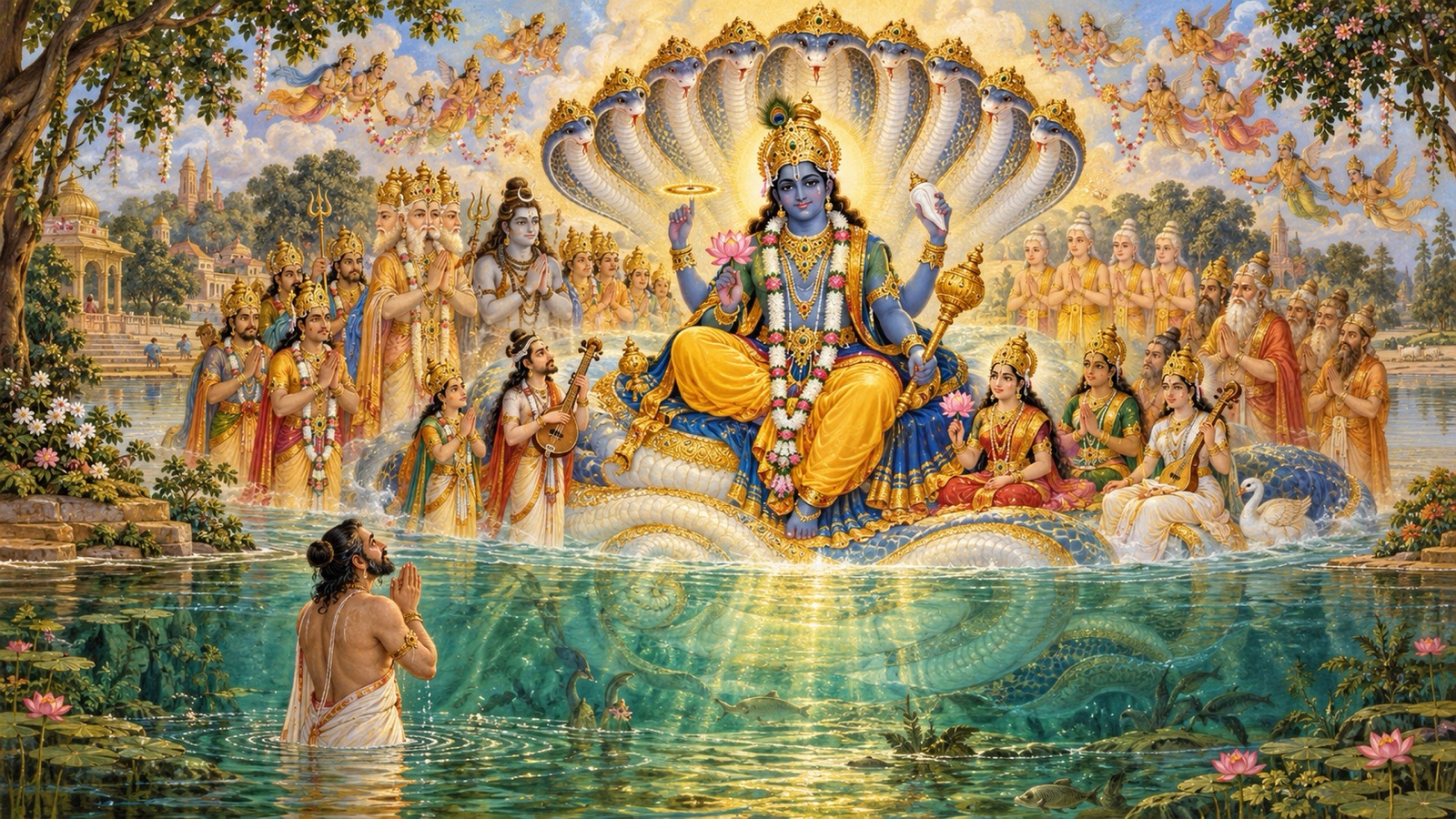
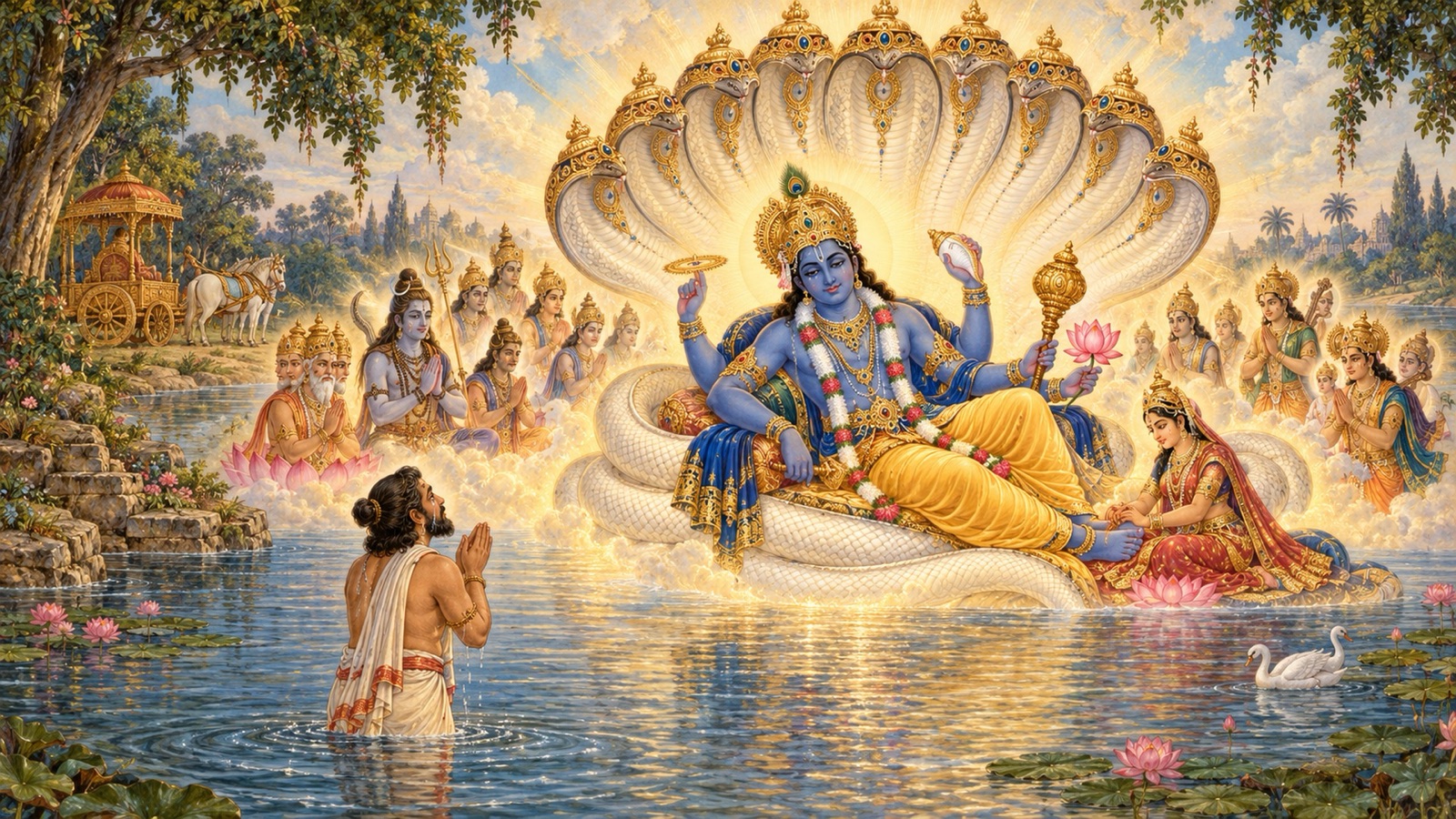
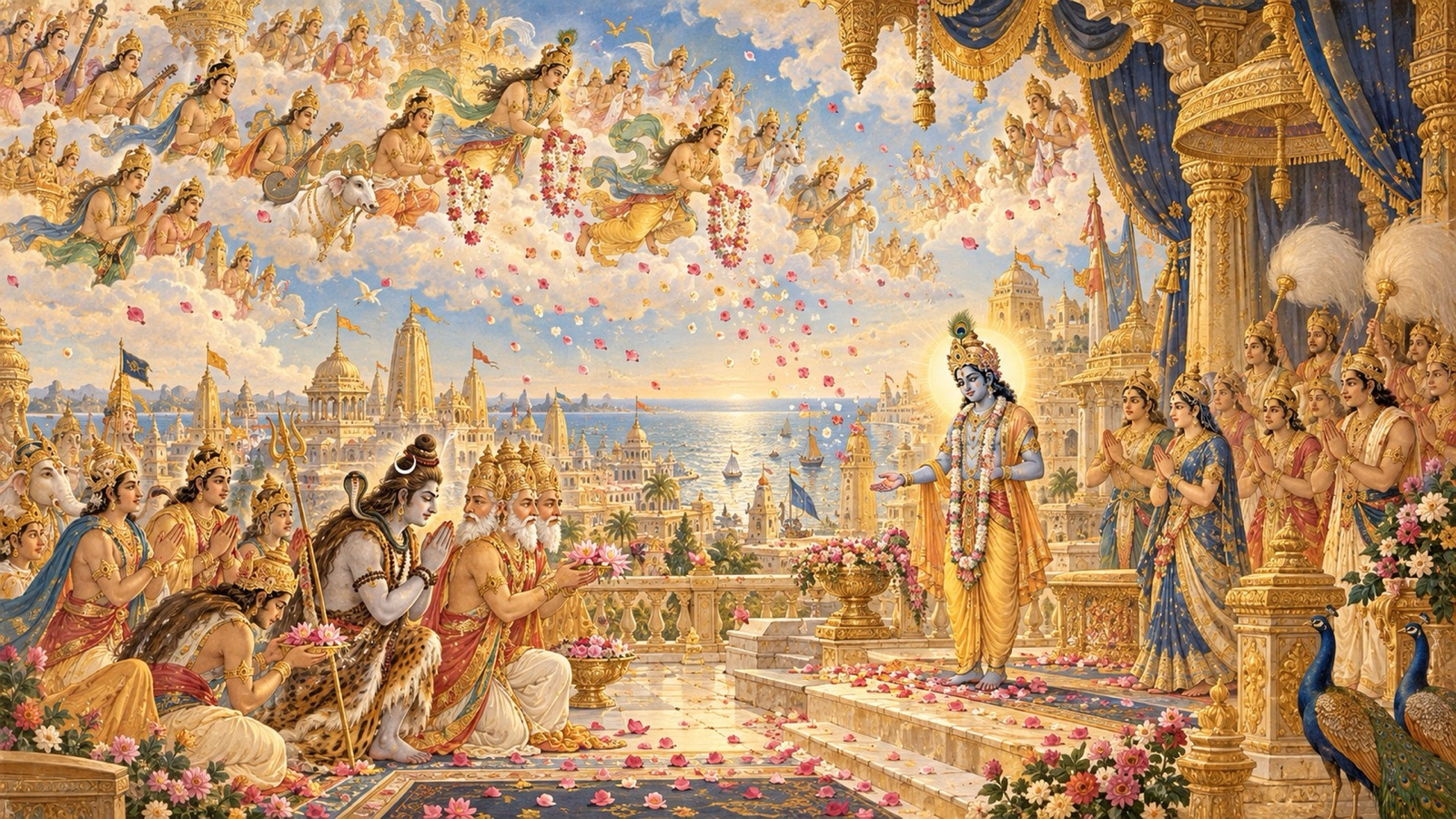
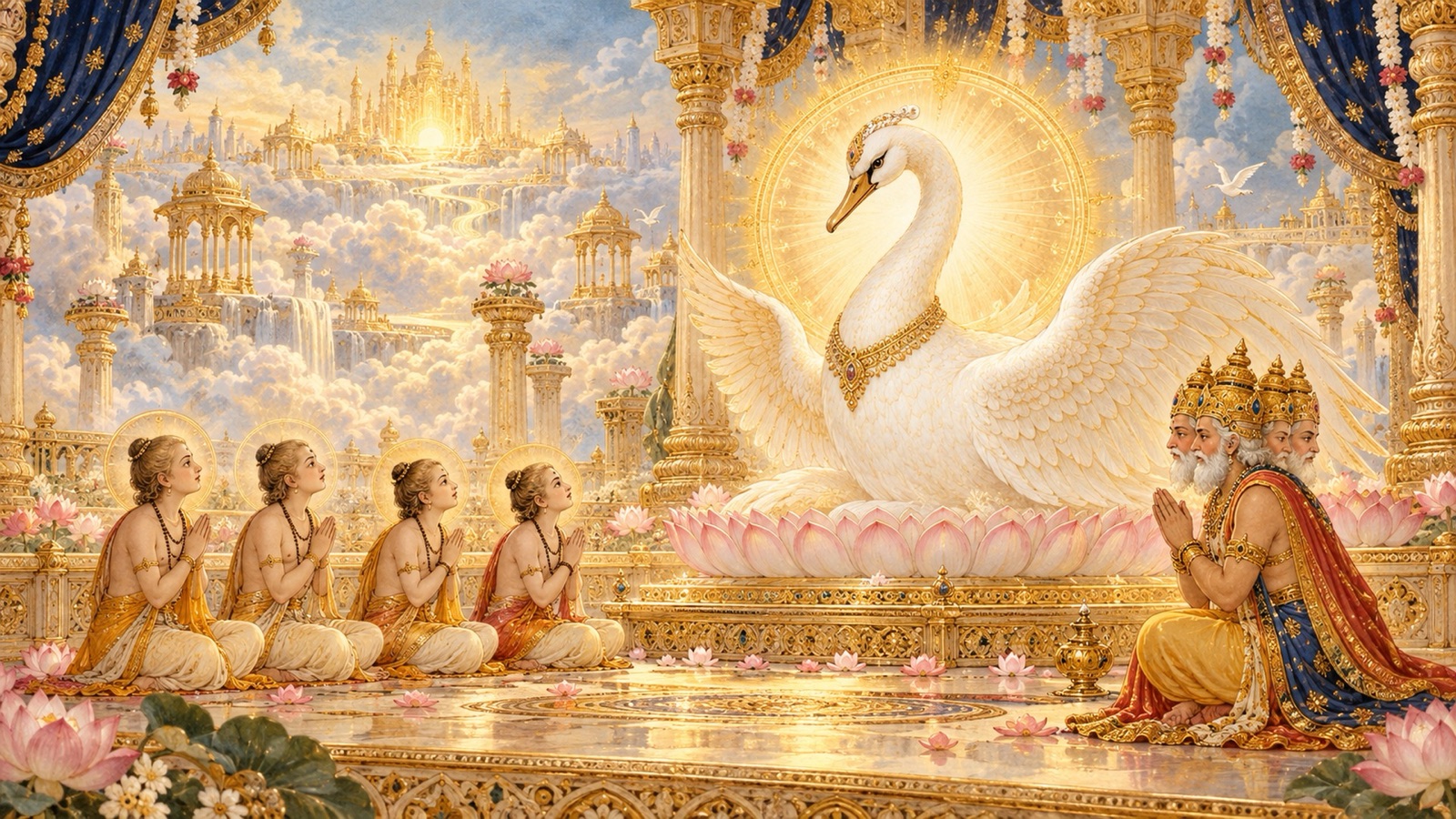
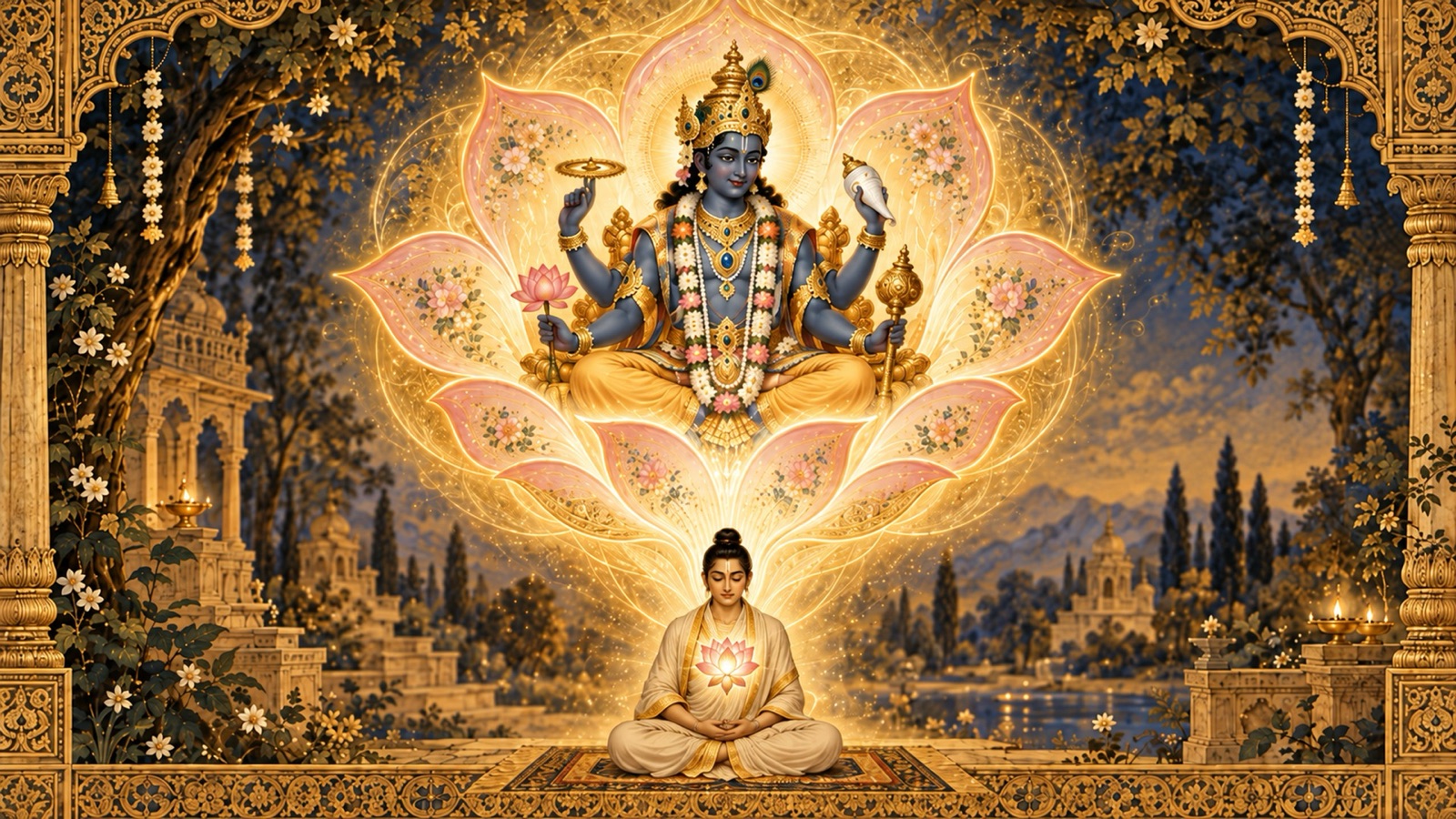
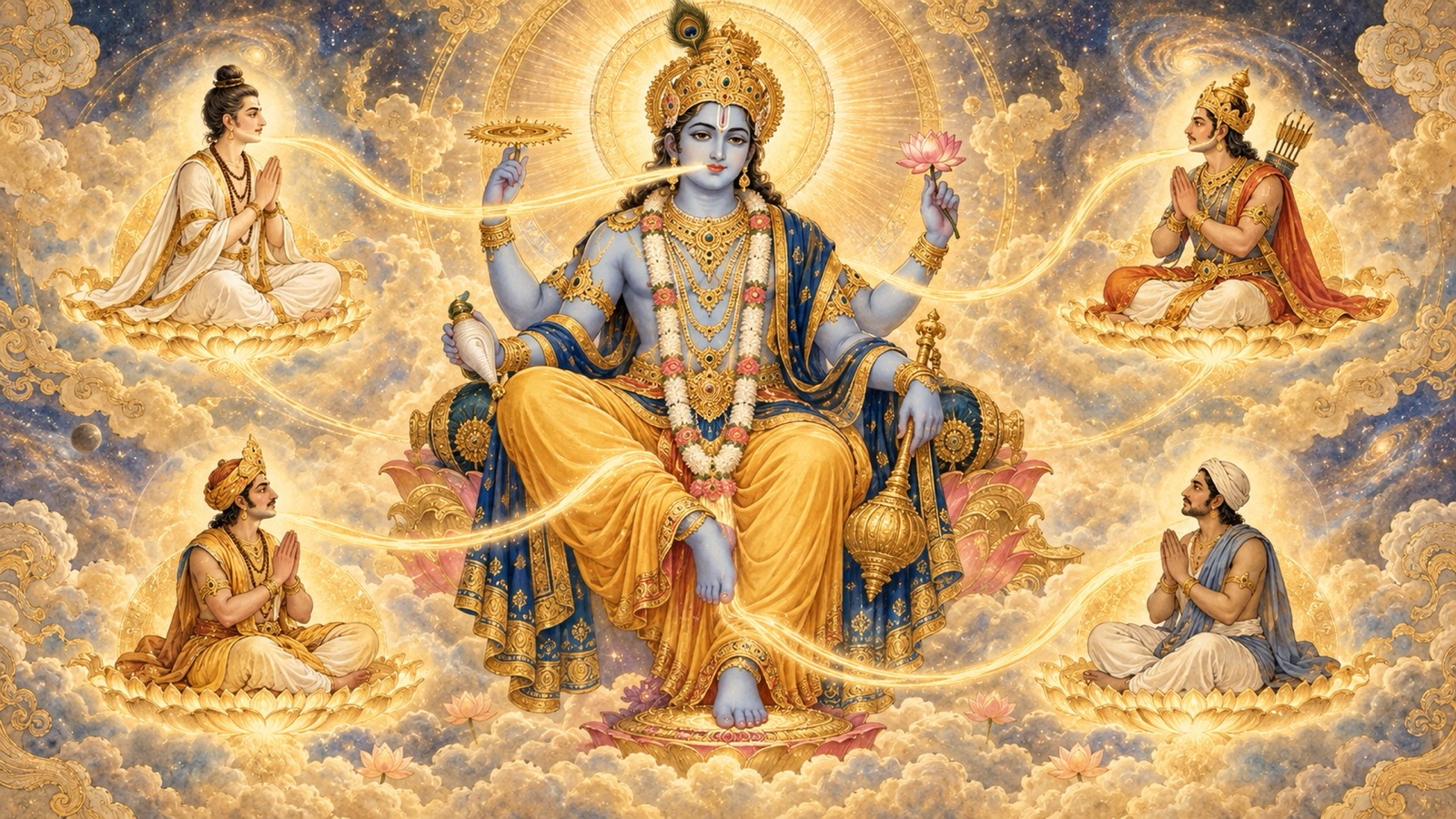
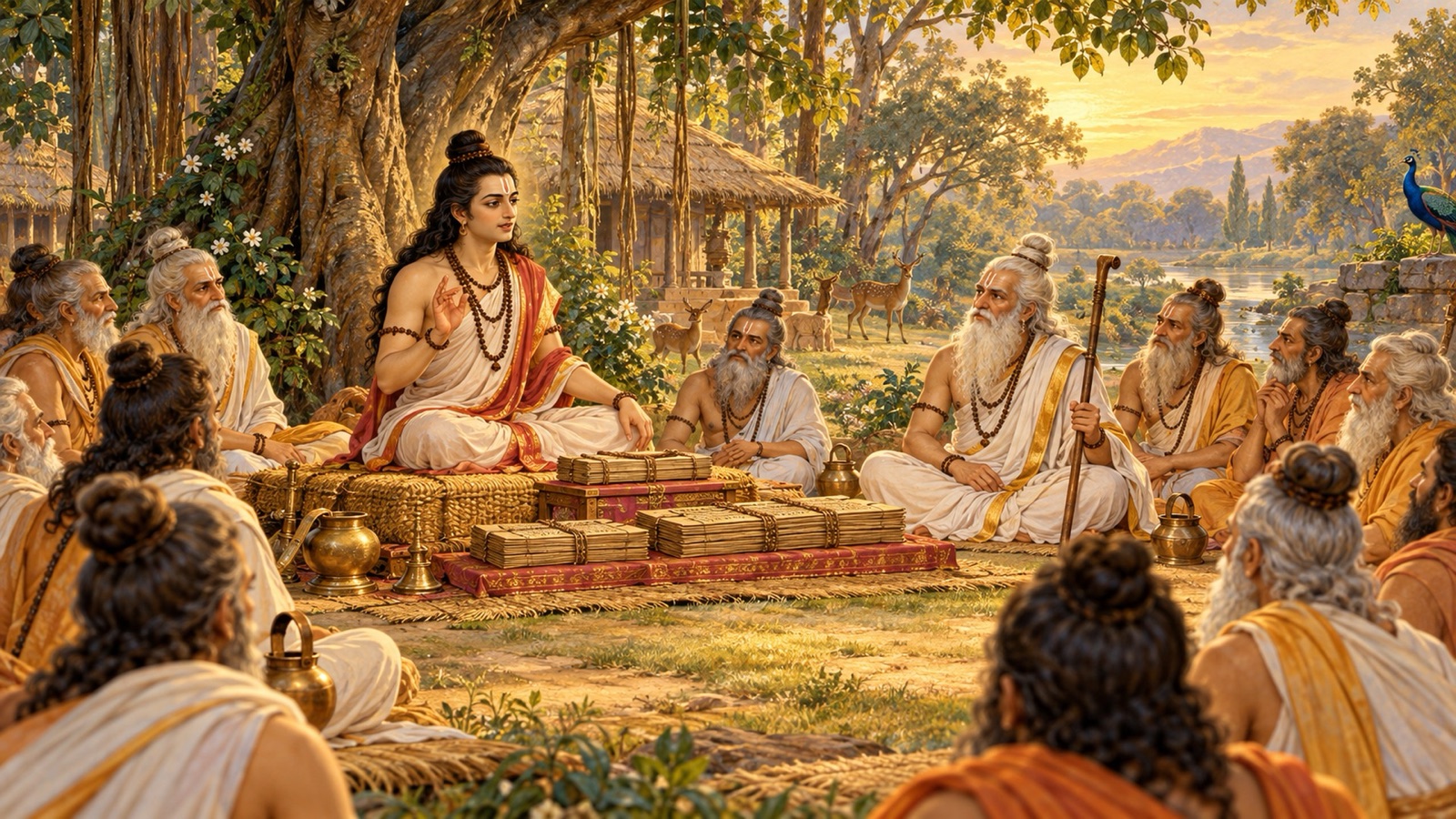
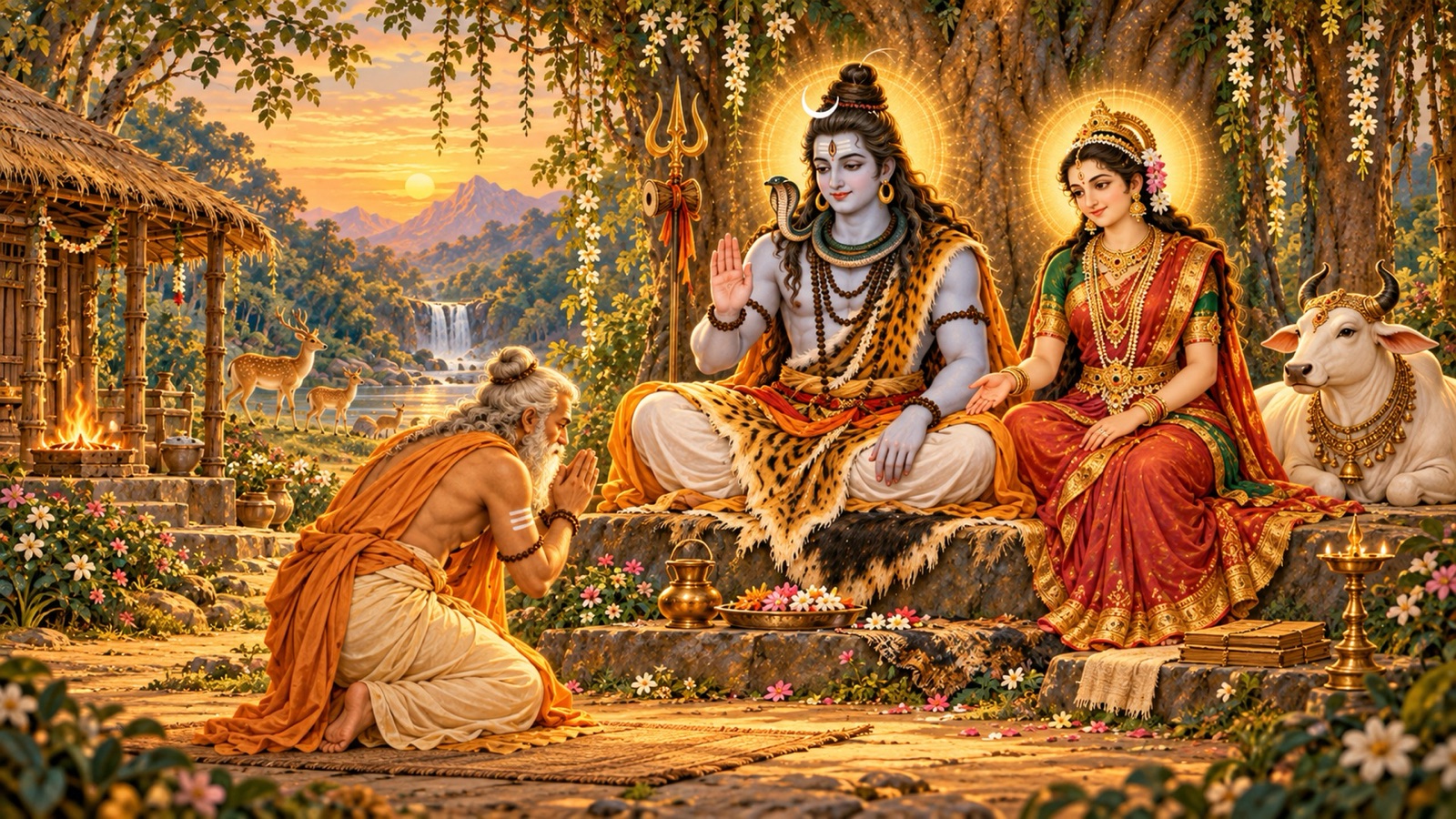
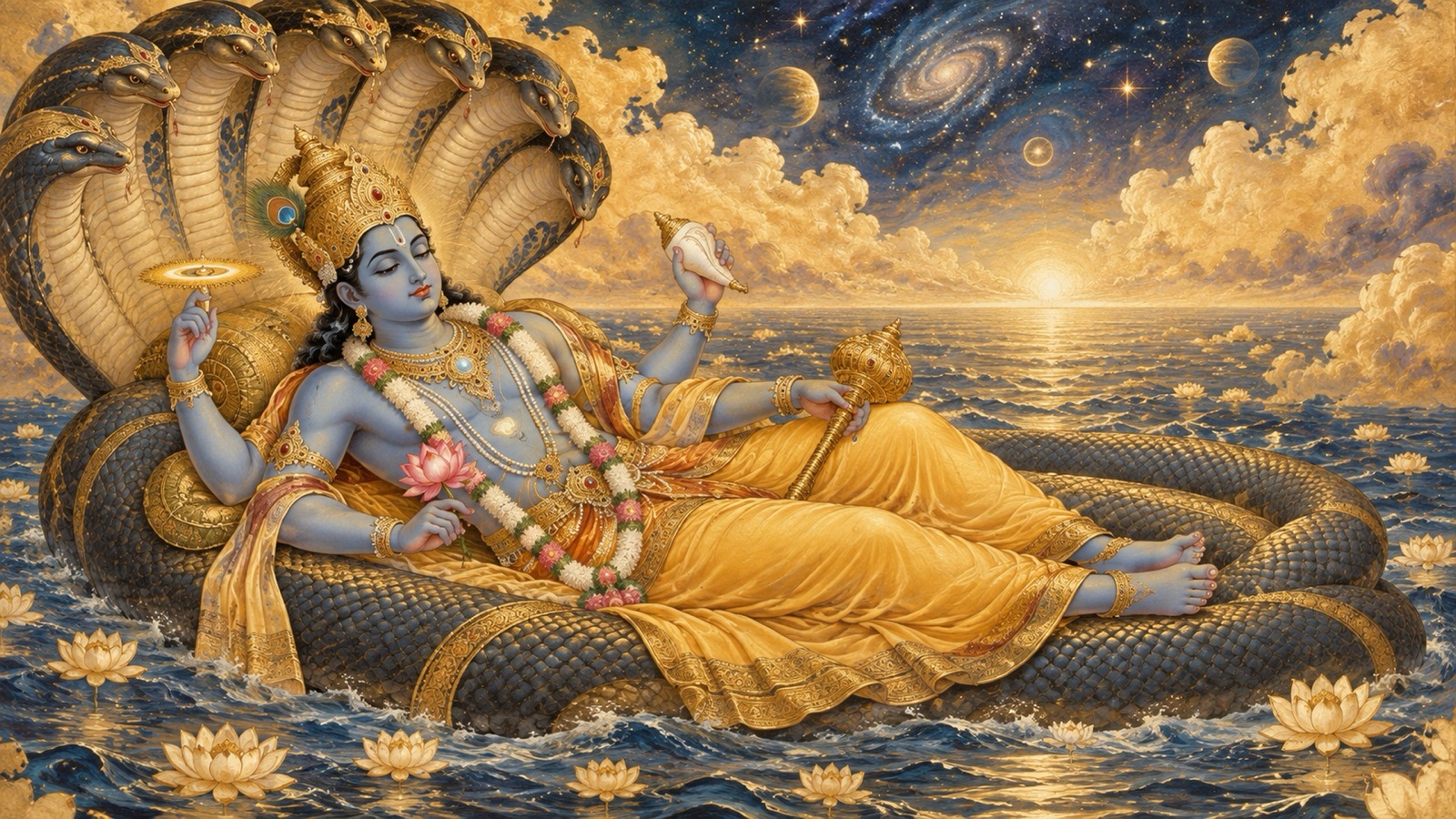
Just by reading Srimad Bhagavat Mahapuran, a special place for the Lord is created in the reader's heart, because the Lord — in the form of Srimad Bhagavat Mahapuran — enters the heart and sweeps it clean of all contamination. We all know that the very same Lord, who is rarely understood even by great sages, who is the Lord of all movable and immovable entities, comes to sit in the heart of the sincere reader or listener of Srimad Bhagavat Mahapuran! All the sages and saintly people listen to it in rapt attention. Lord Shiva speaks Srimad Bhagavat Mahapuran to his wife Parvati. Sheshnag sings Srimad Bhagavat Mahapuran with his unlimited hoods. The four Kumaras — Sanaka, Sanandana, Sanatana and Sanat Kumara — also speak Srimad Bhagavat Mahapuran to glorify Lord Krishna, because every other spiritual and religious process fades before it.
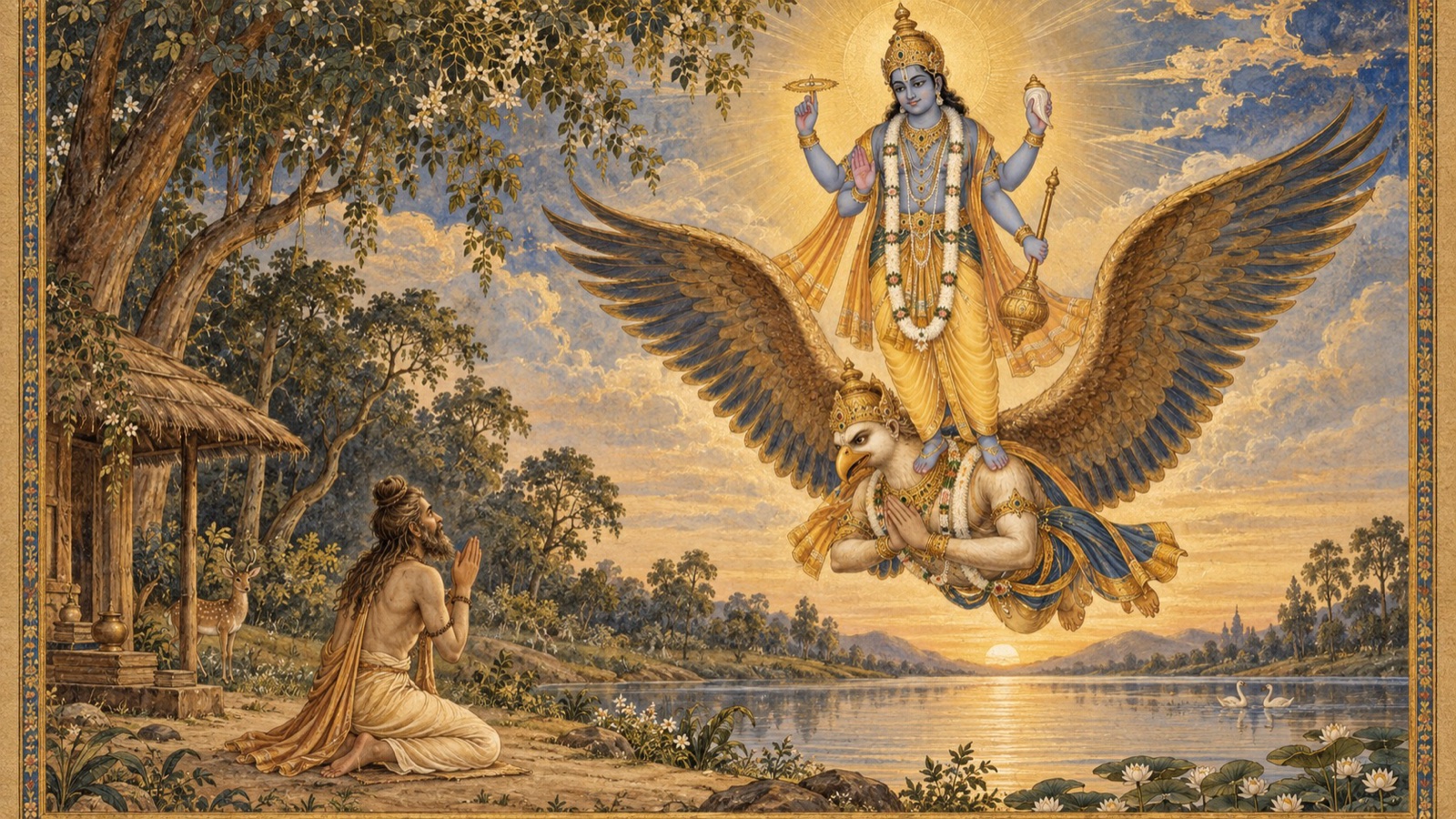
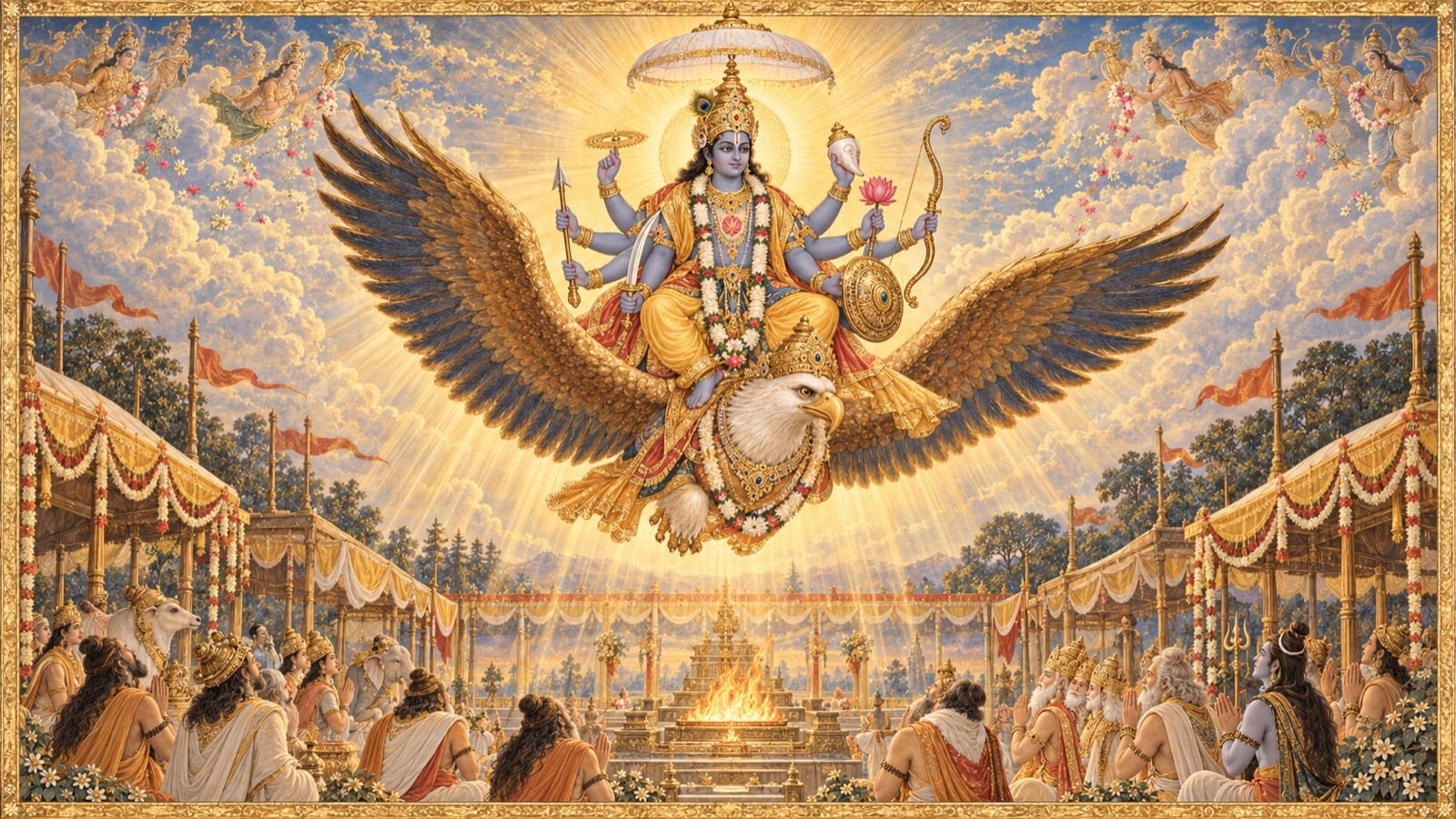
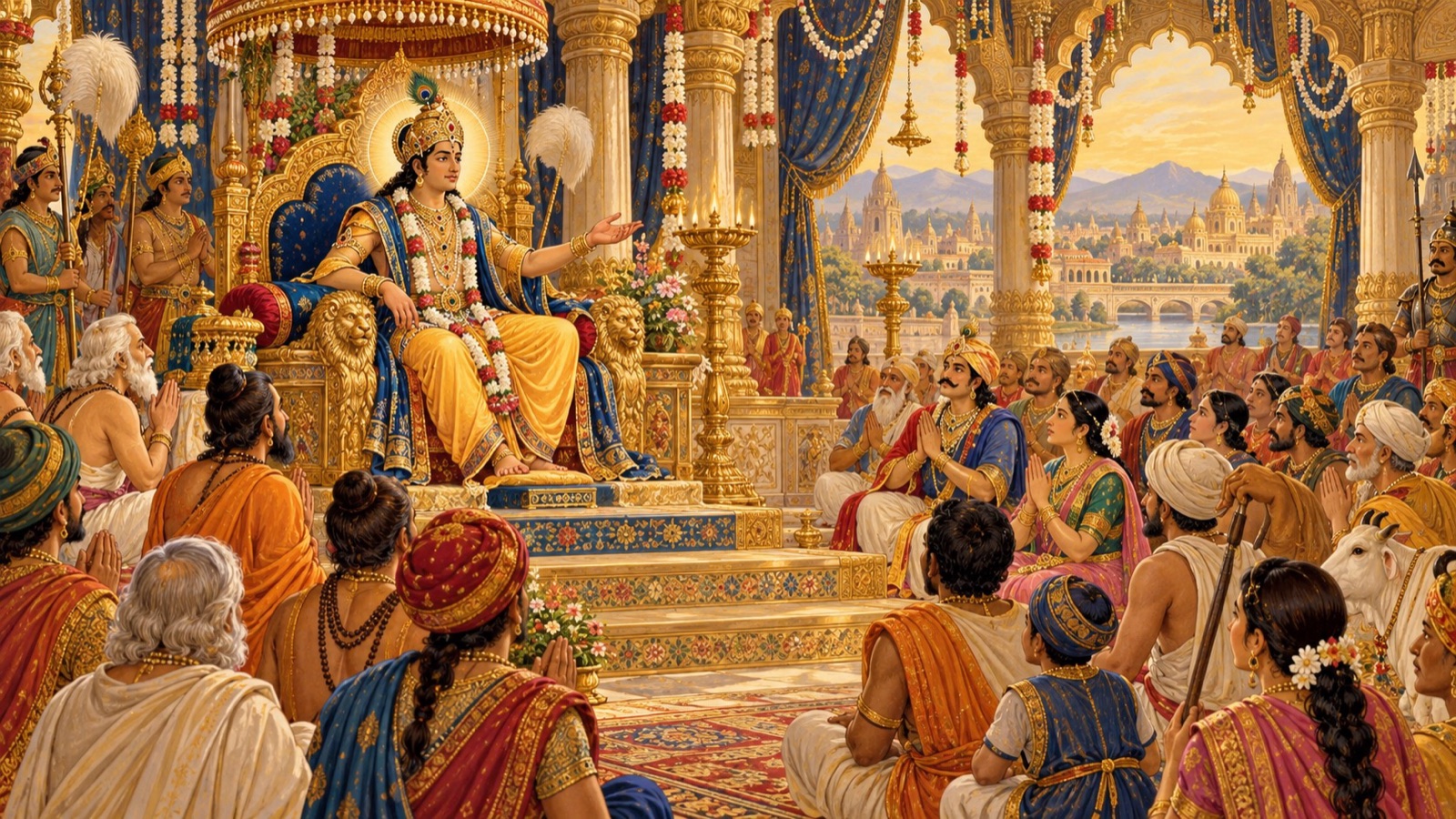
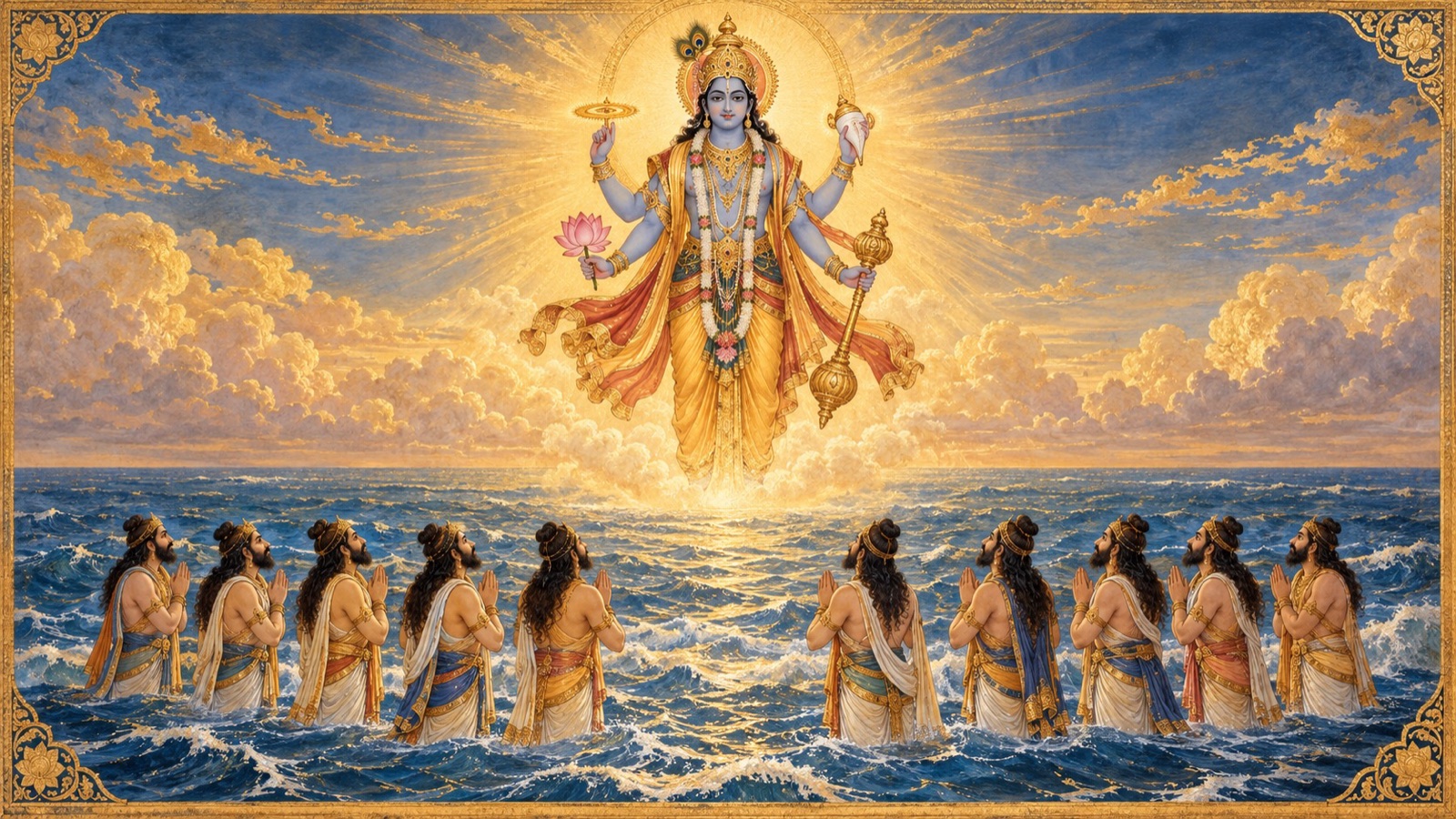
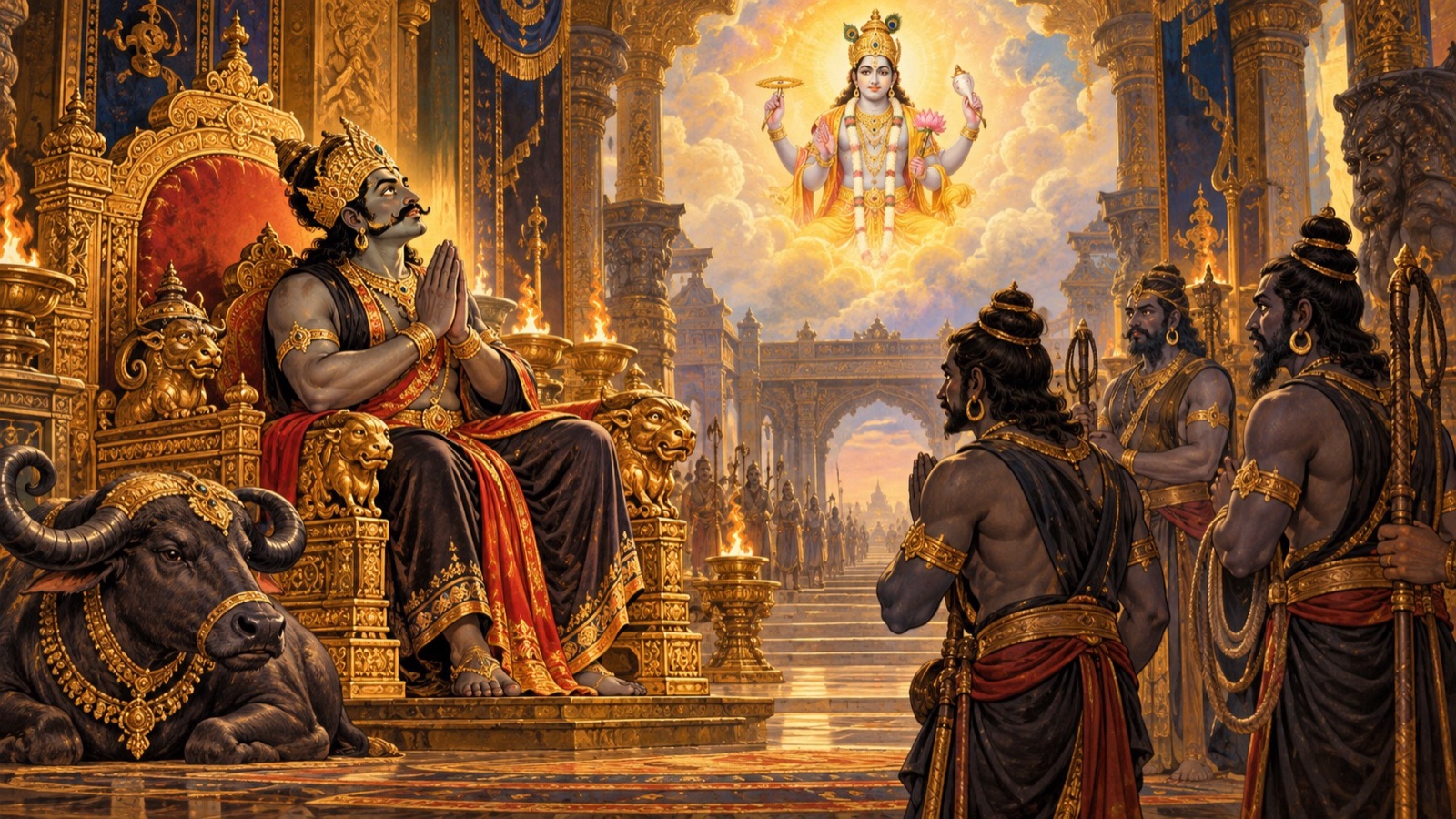
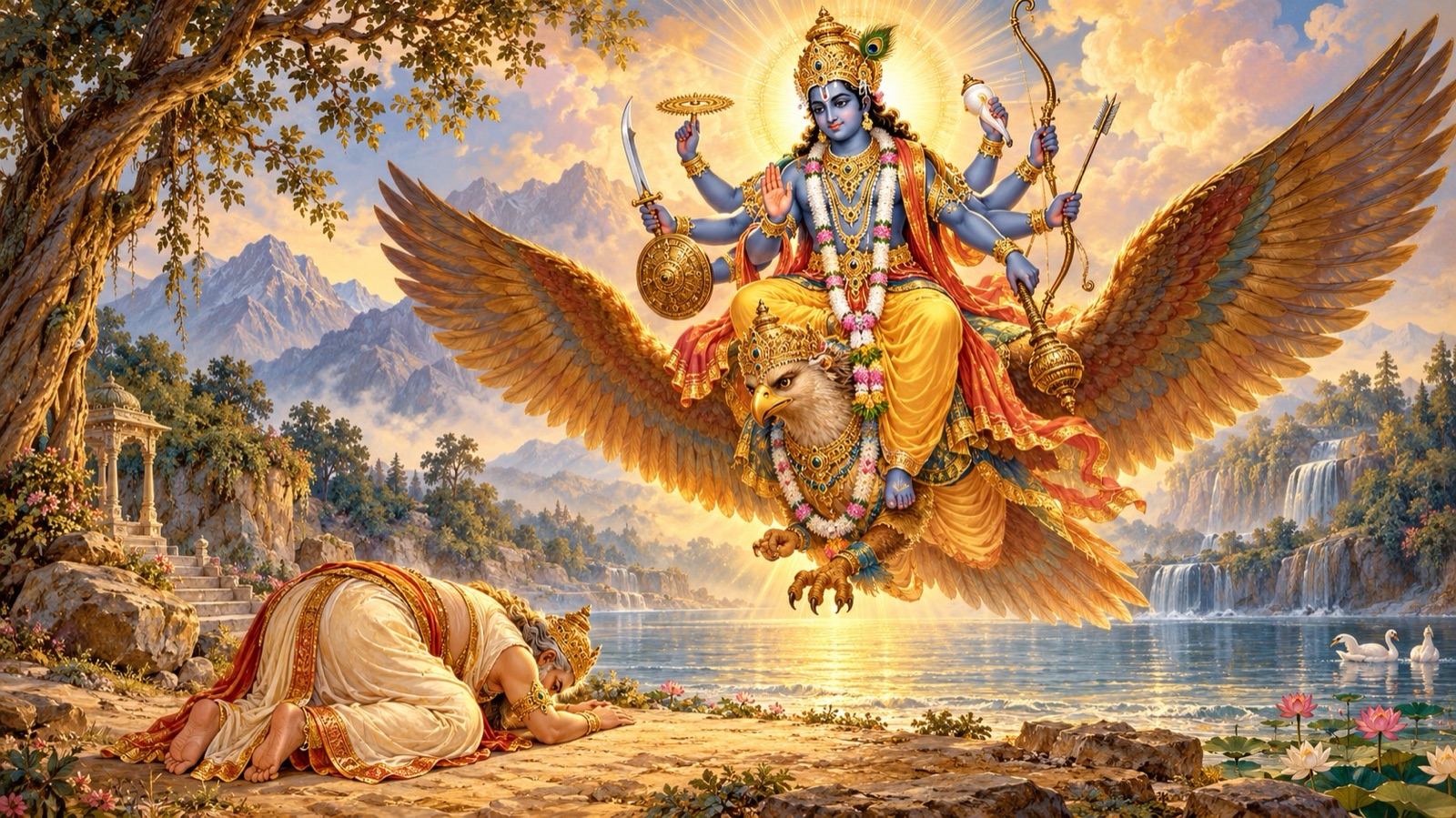
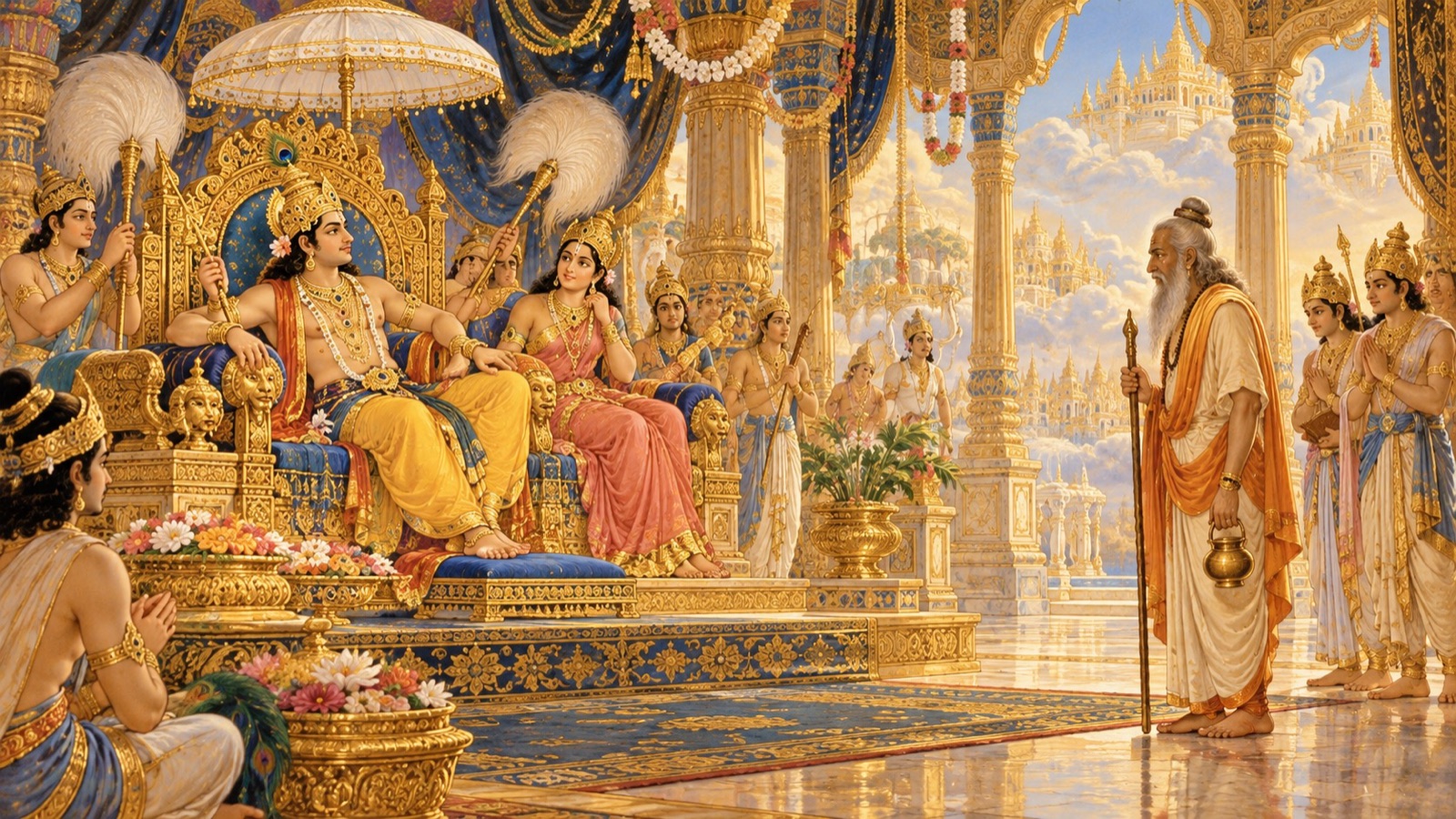
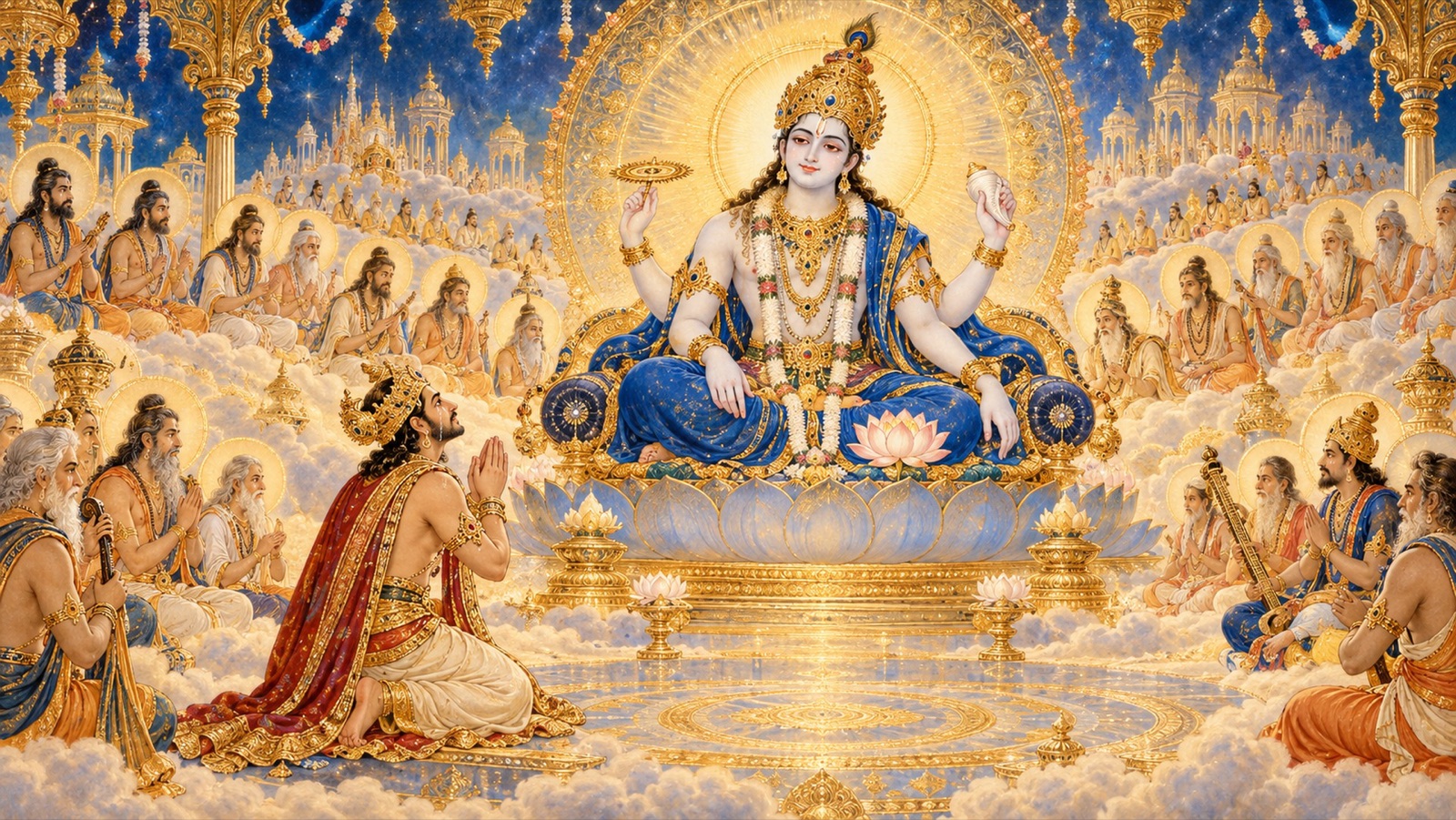
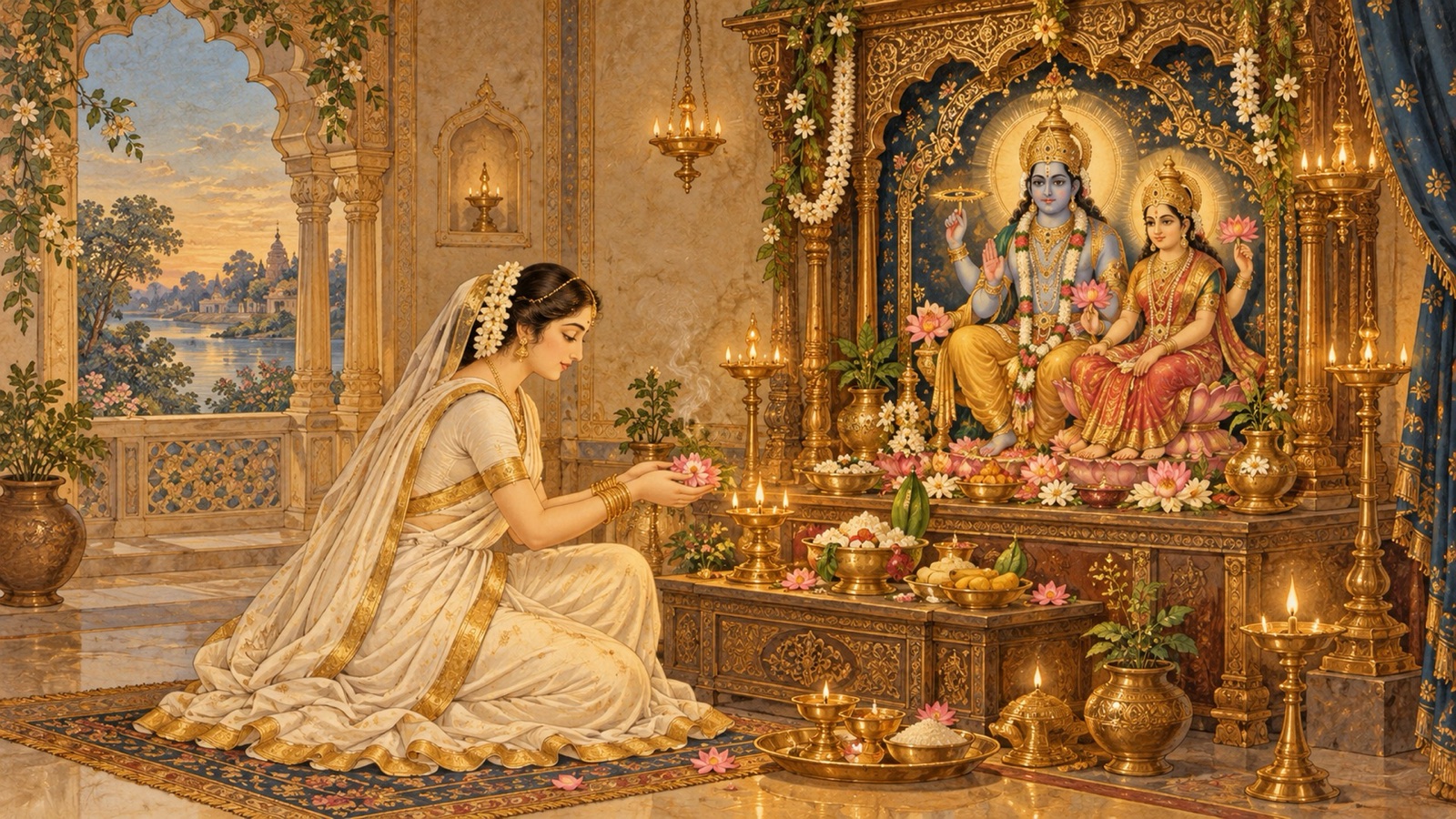
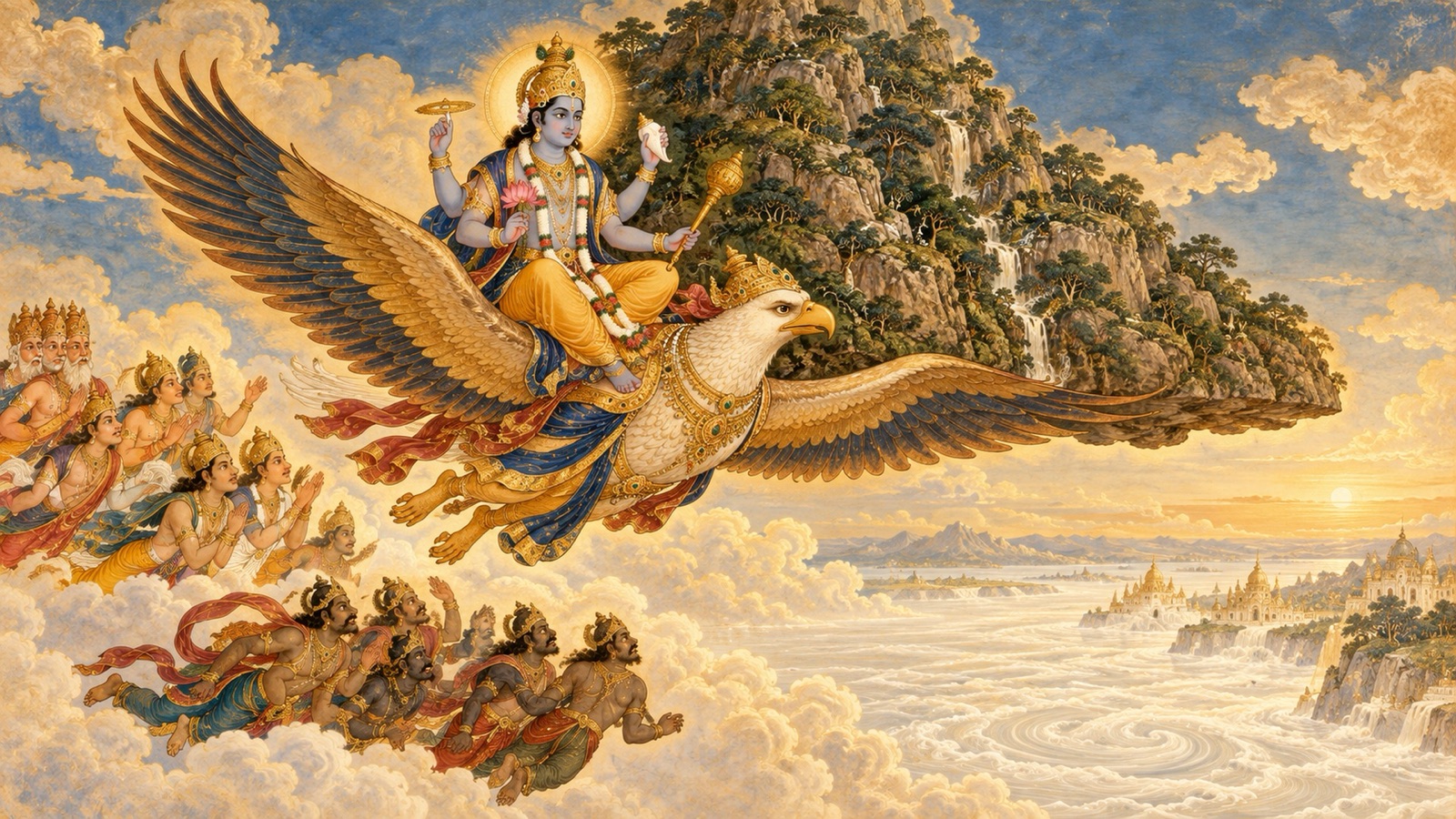
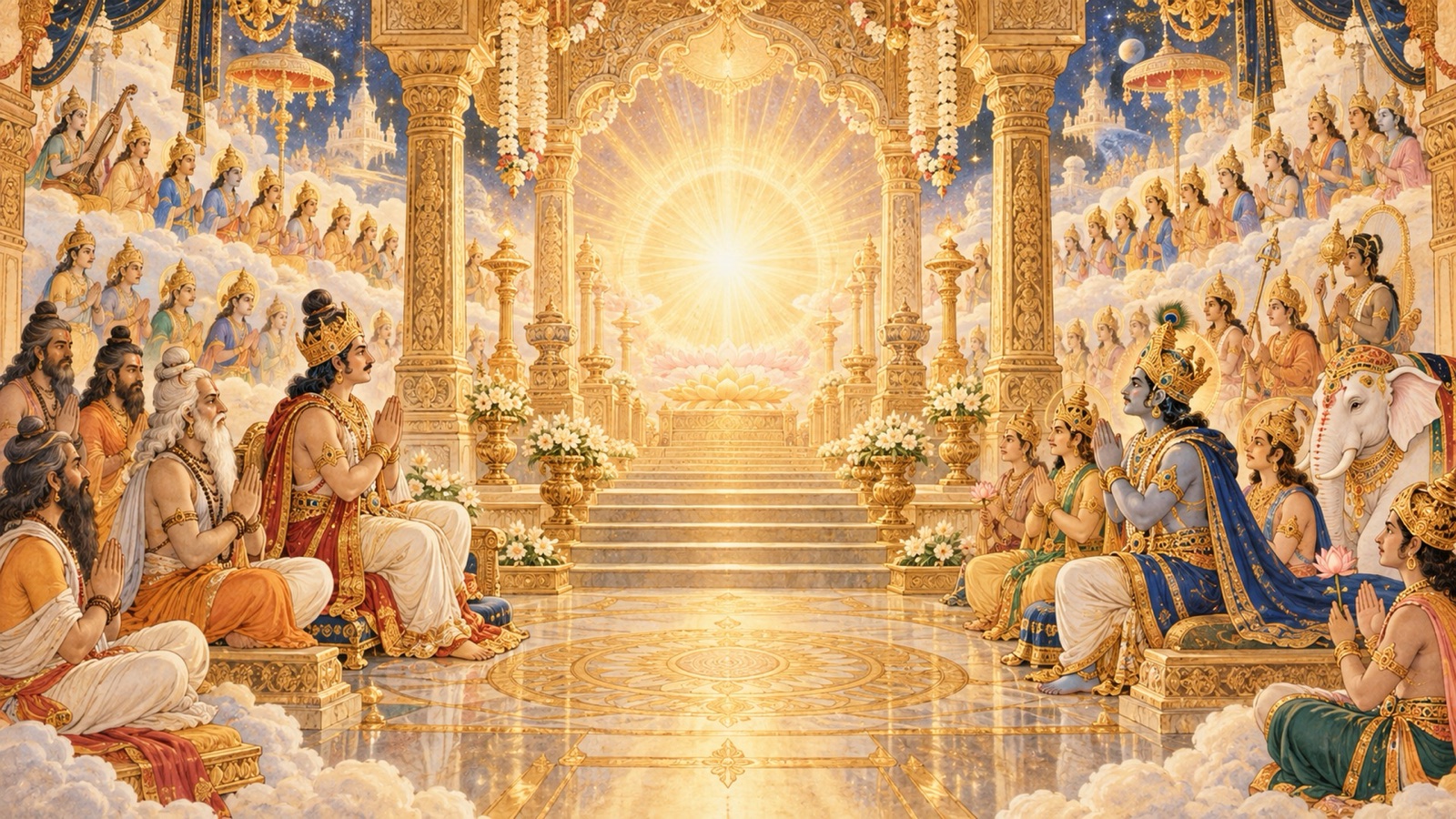
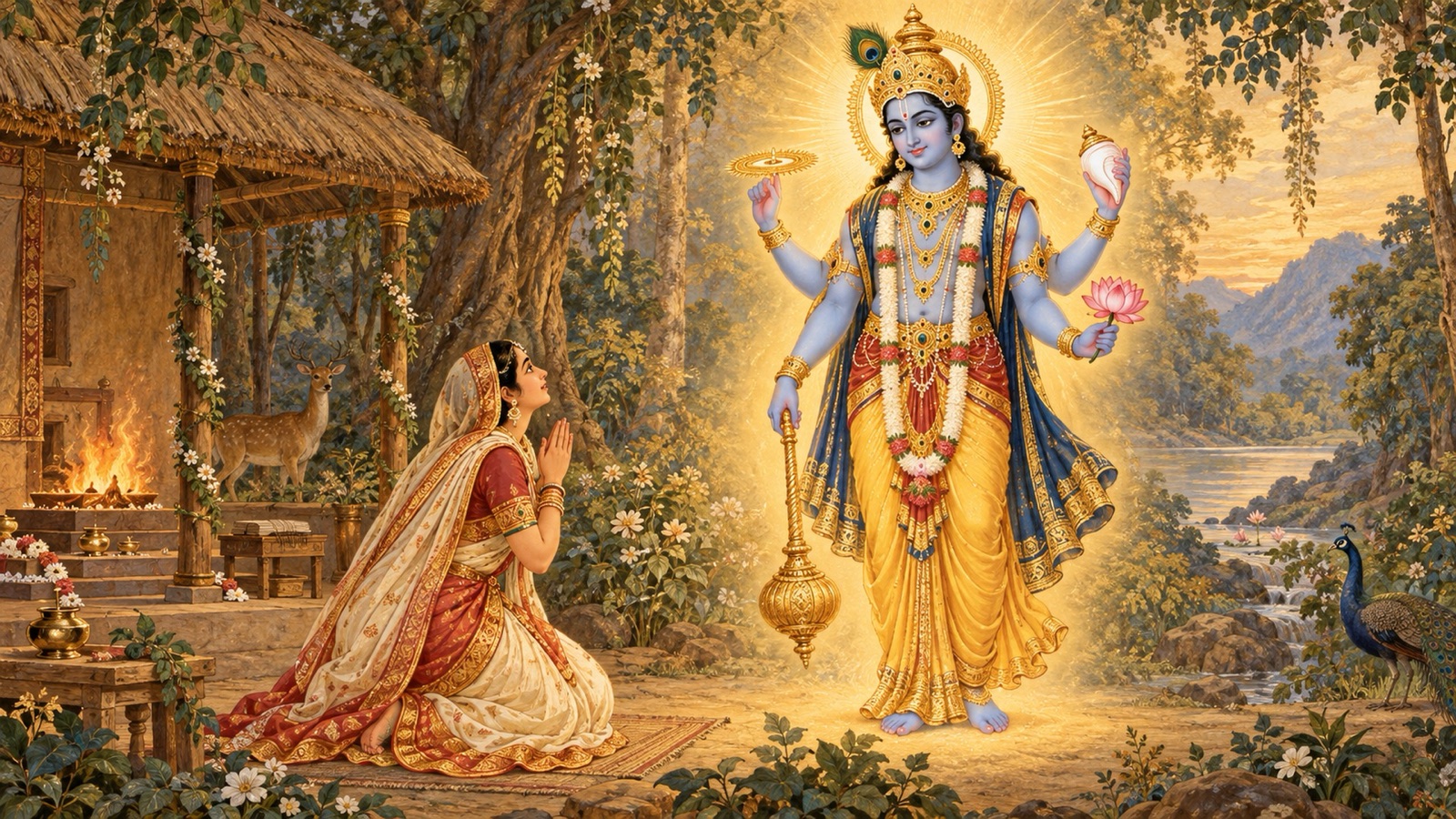
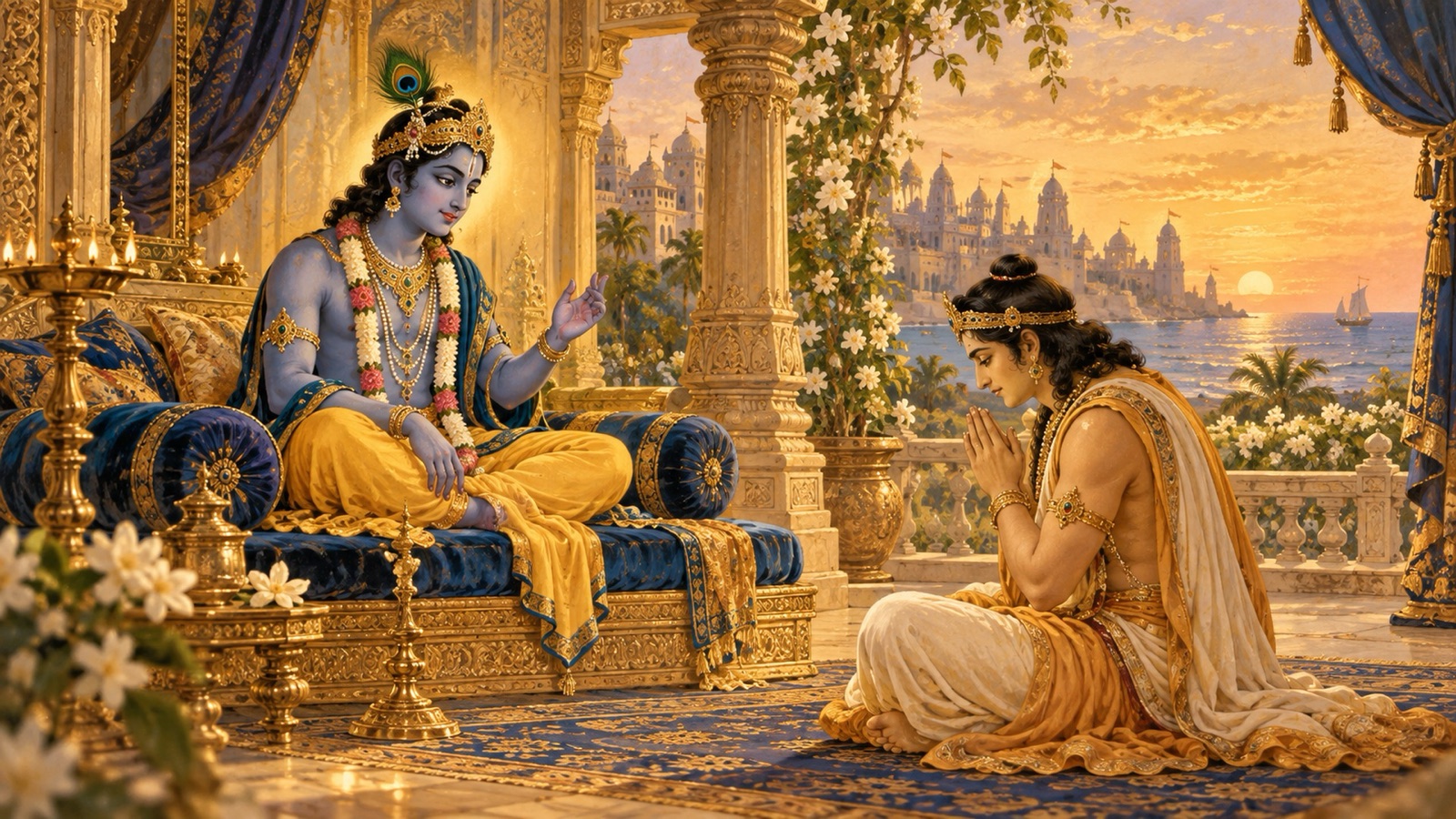
The Lord Himself leaves His spiritual abode and comes down to the place where Srimad Bhagavat Mahapuran is being read (spoken), and sits down to carefully listen. As He Himself stated to Narada Muni:
nāhaṁ vasāmi vaikuṇṭhe yogināṁ hṛdaye na ca mad-bhaktā yatra gāyanti tatra tiṣṭhāmi nārada
"O Narada, I do not live in My spiritual abode, nor do I live in the hearts of great meditating yogis — but I live at the place where My devotees speak about My divine līlās."
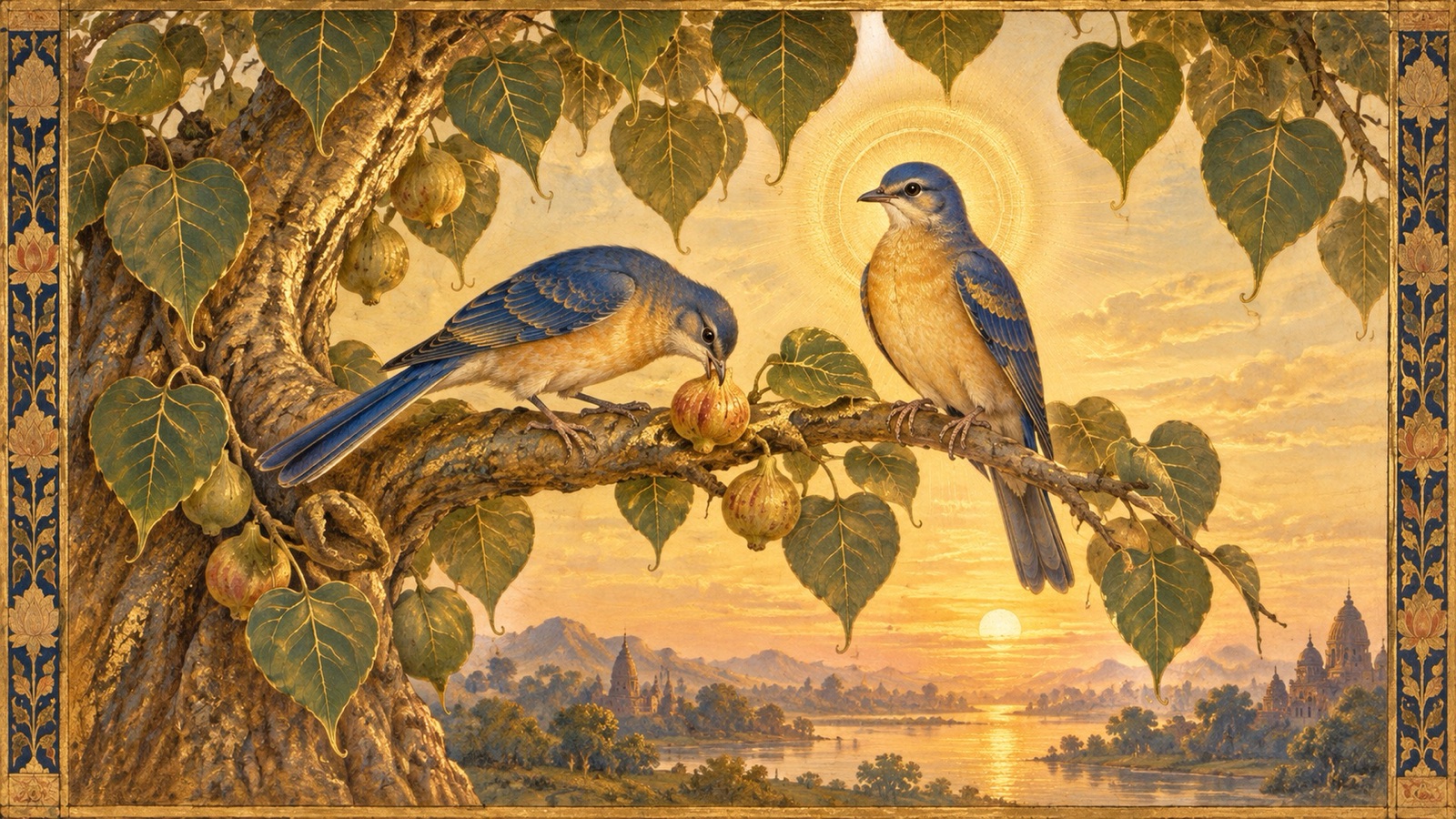
The Vedas are compared to the desire tree, because they contain all things knowable by man — dealing with mundane necessities as well as spiritual realization. In Sanskrit, the parrot is also known as śuka. When a ripened fruit is cut by the beak of a parrot, its sweet flavour is enhanced. The Vedic fruit — already mature and ripe in knowledge — becomes even more relishable when spoken through the lips of Śrīla Śukadeva Gosvāmī, who is compared to that very parrot.
There are unlimited benefits to reading Srimad Bhagavat Mahapuran katha. The prime result is that if a person reads attentively and applies the wisdom in their own life, they can attain pure love for Mahaprabhu. Because Śrīmad-Bhāgavatam is completely free of contamination by the modes of nature, it is endowed with extraordinary spiritual beauty and is therefore dear to the pure devotees of the Lord. The word pāramahaṁsyam indicates that even completely liberated souls are eager to hear and narrate Śrīmad-Bhāgavatam. Those who are trying to be liberated should faithfully serve this literature by hearing and reciting it with faith and devotion.
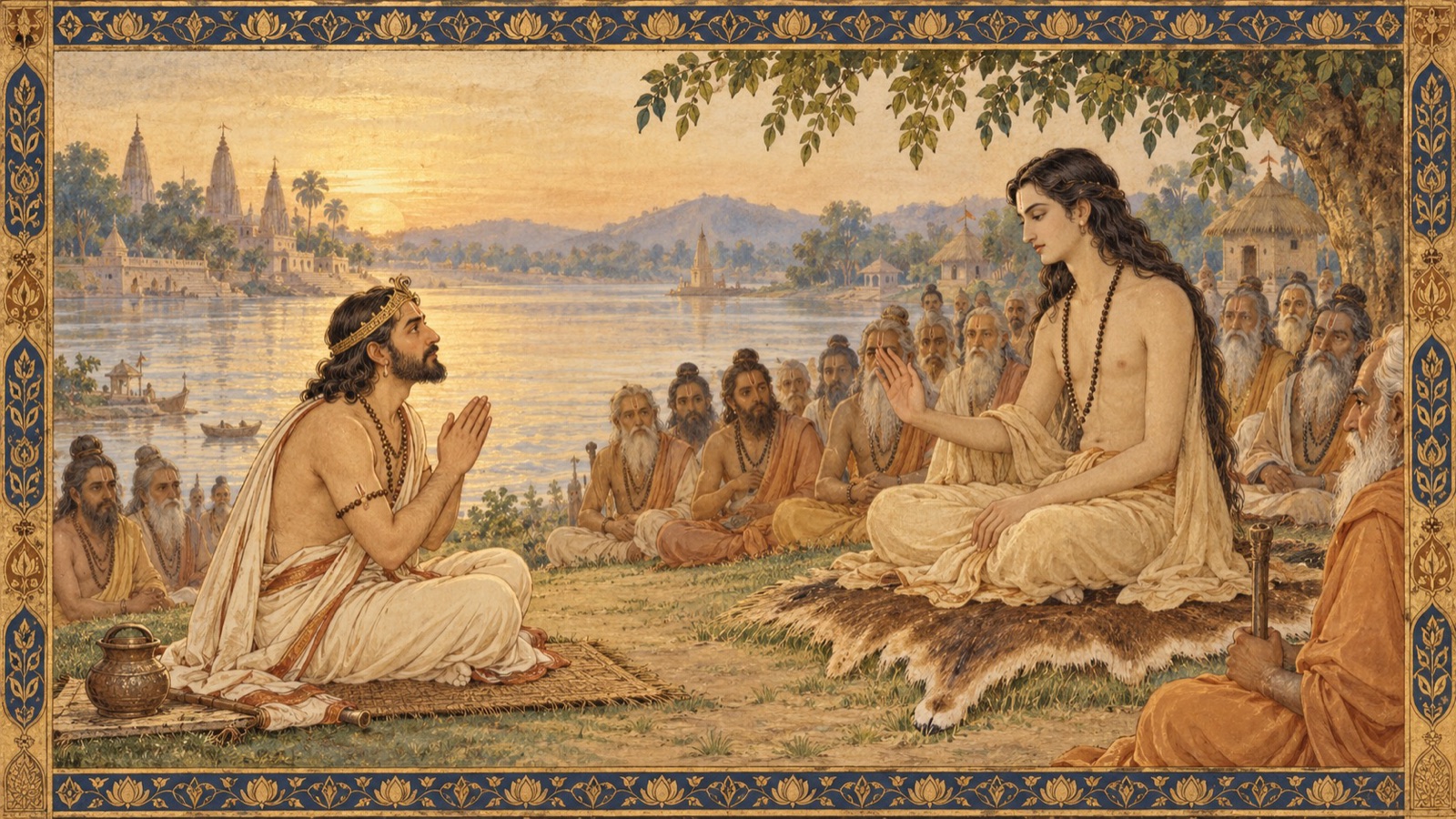
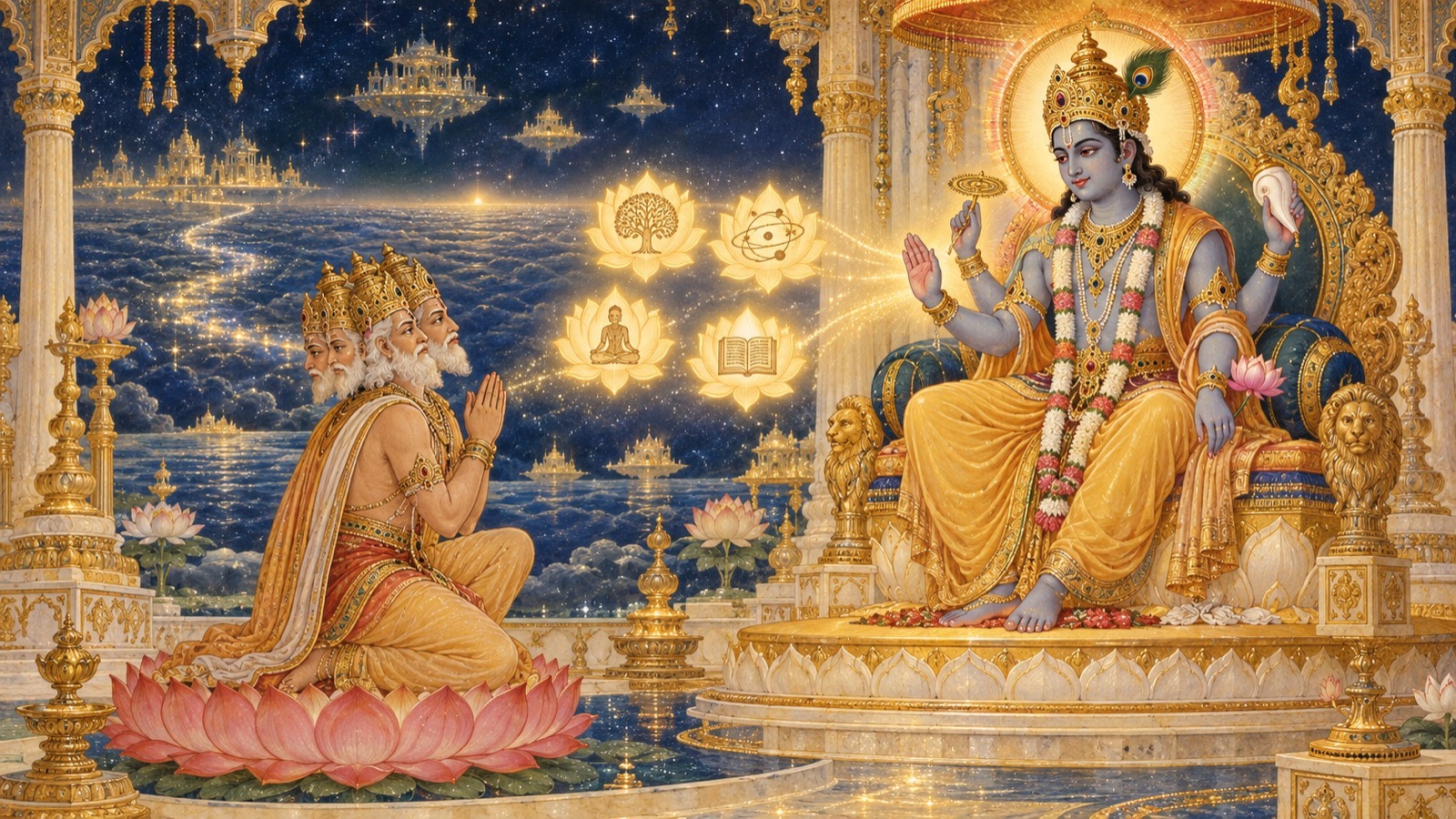
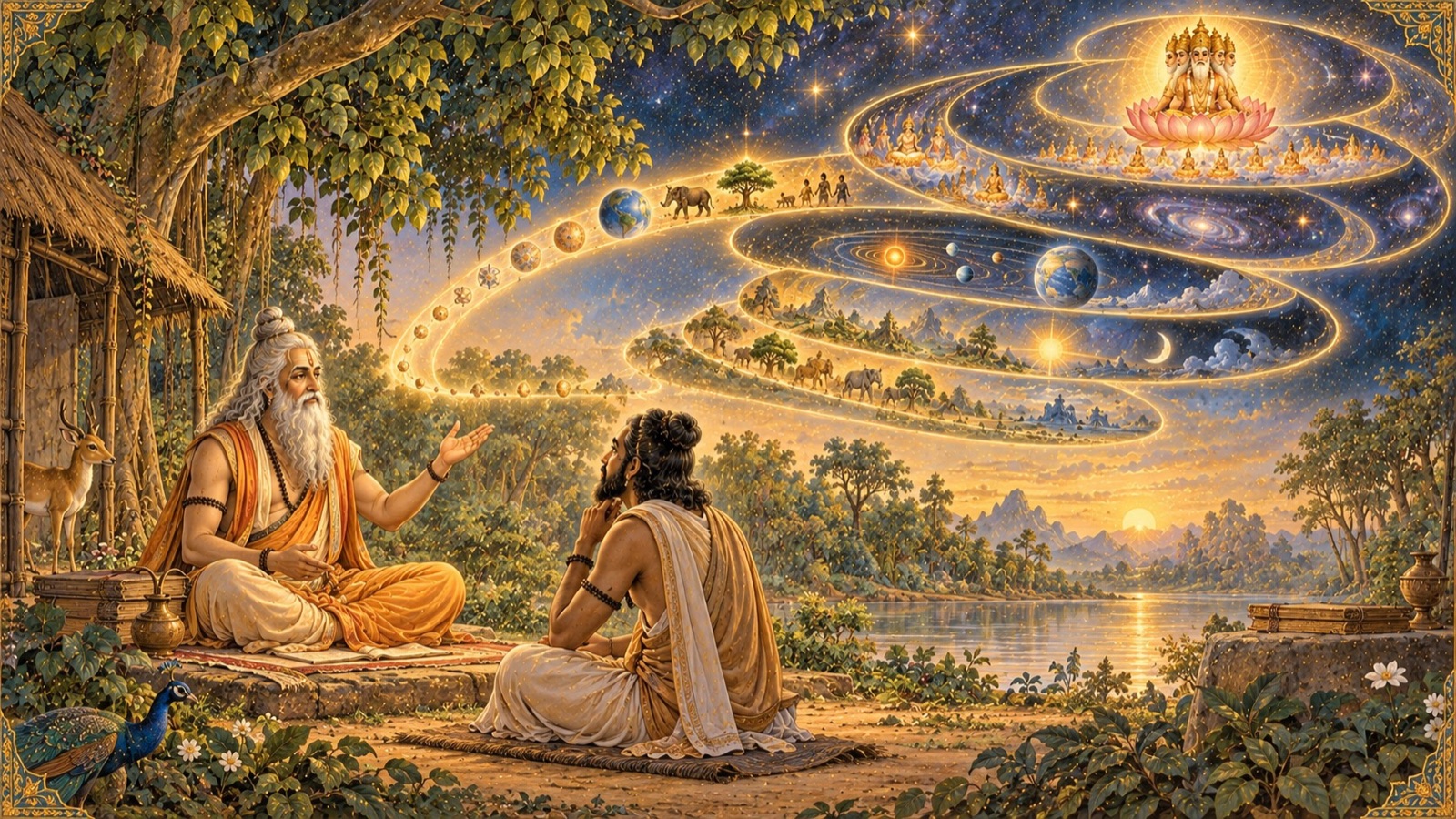
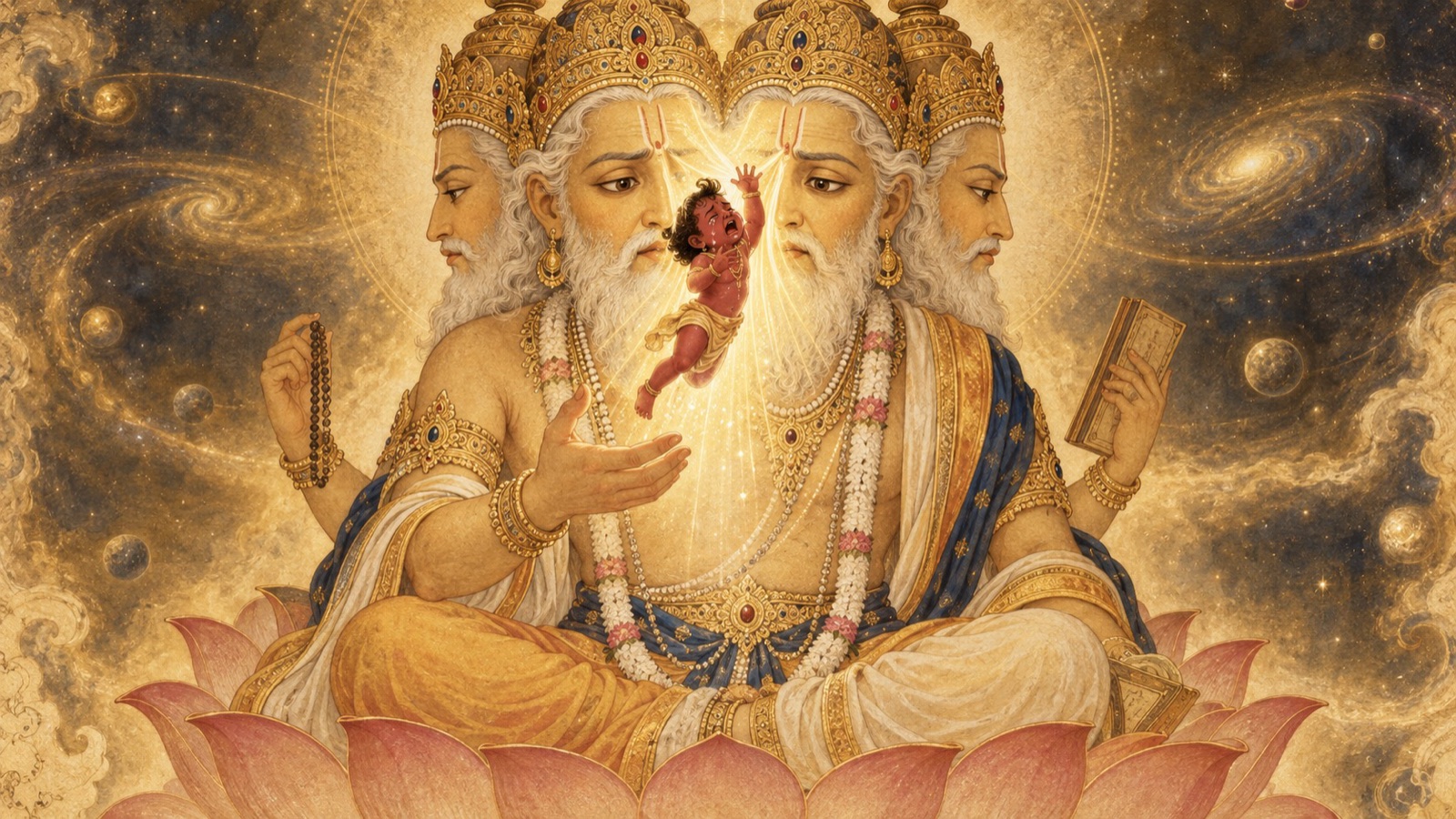
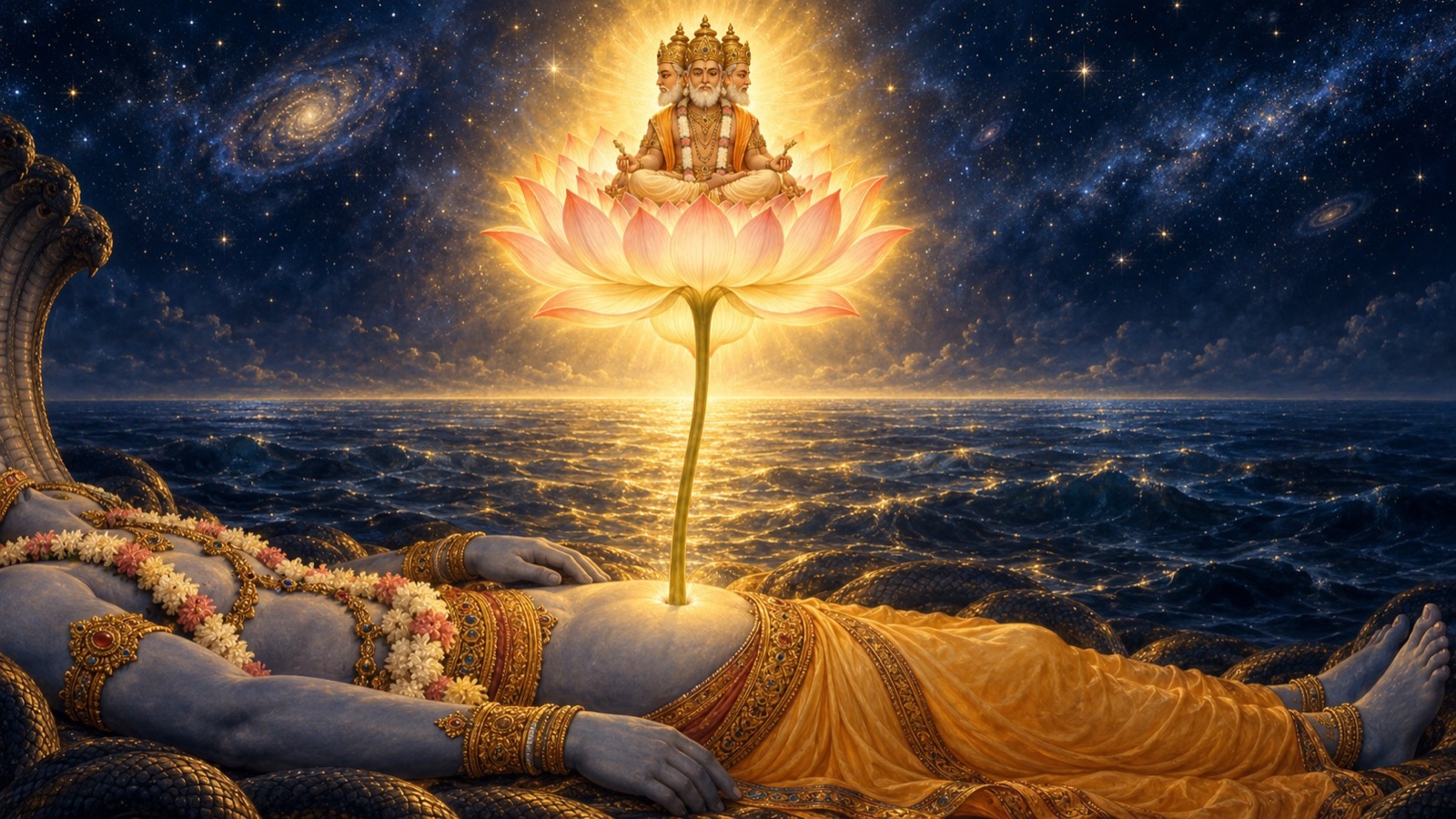
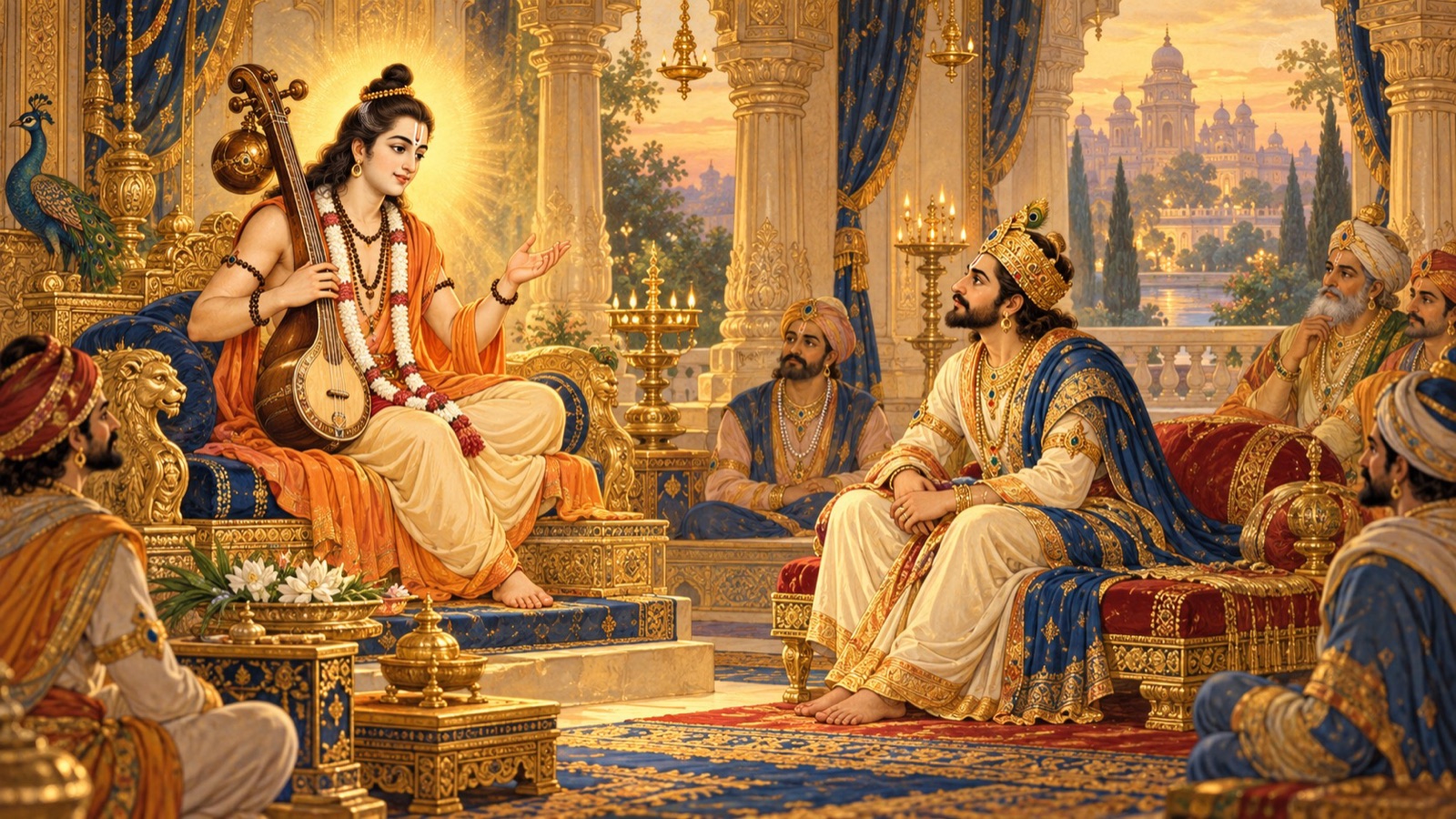
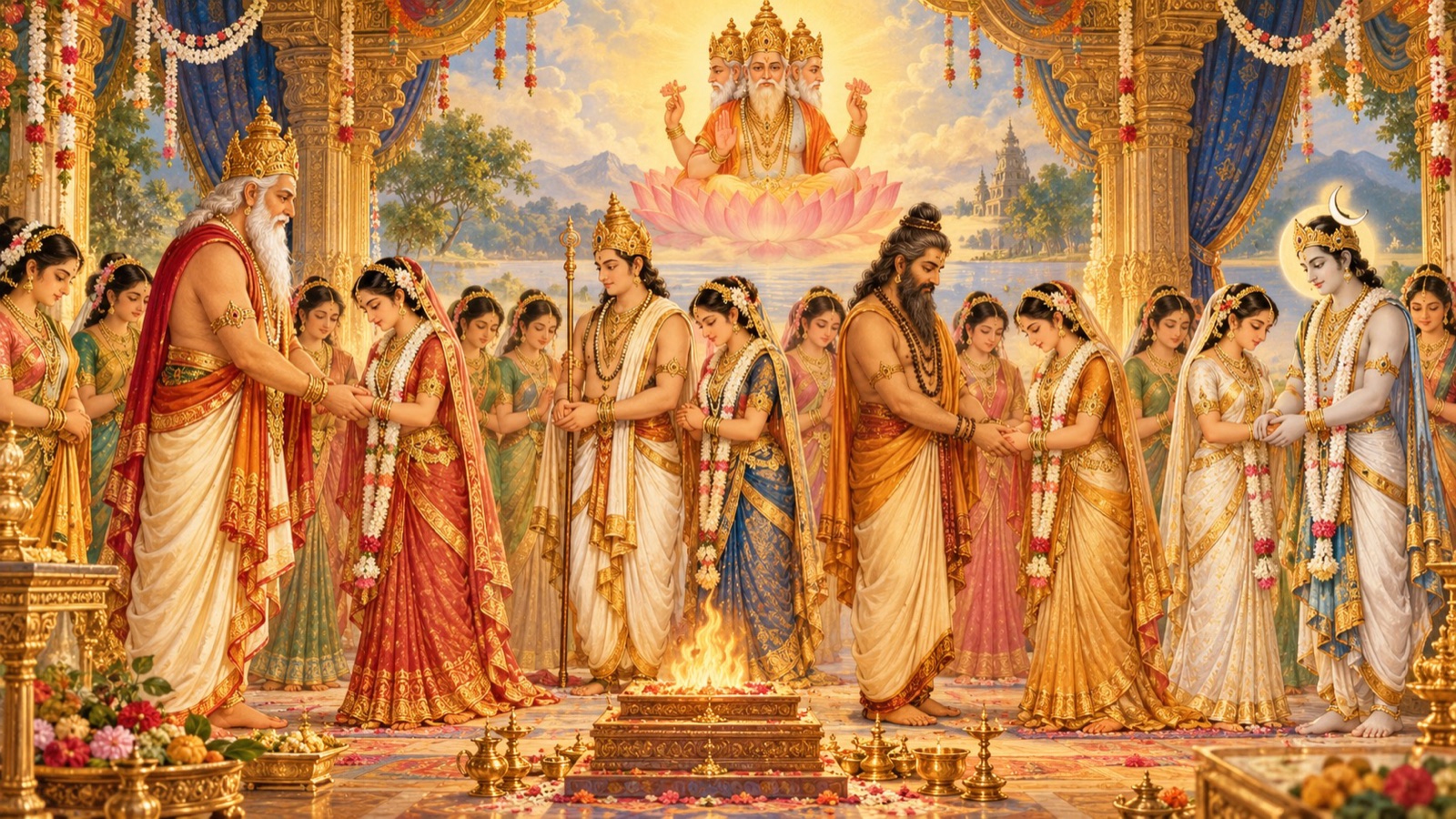
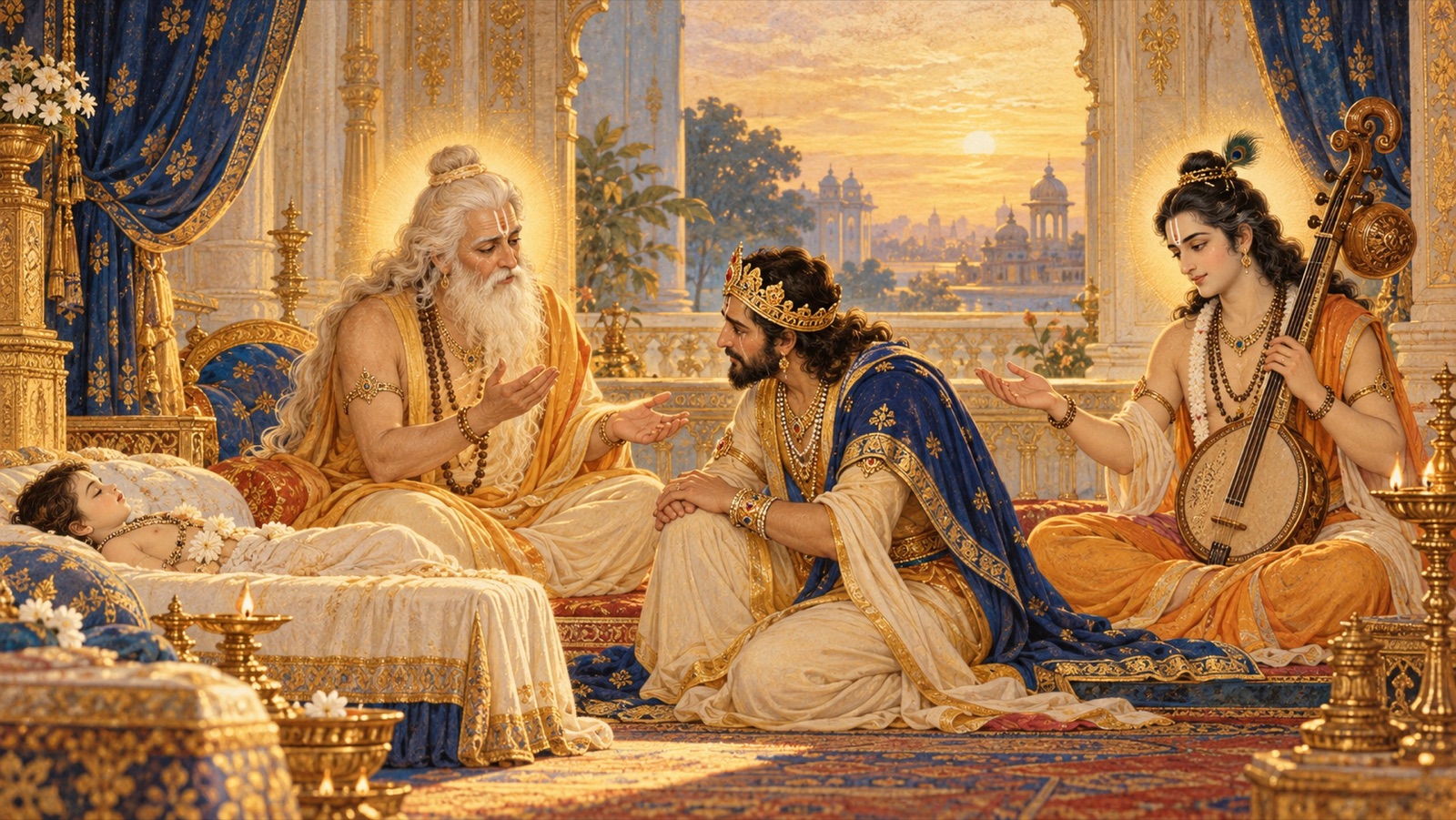
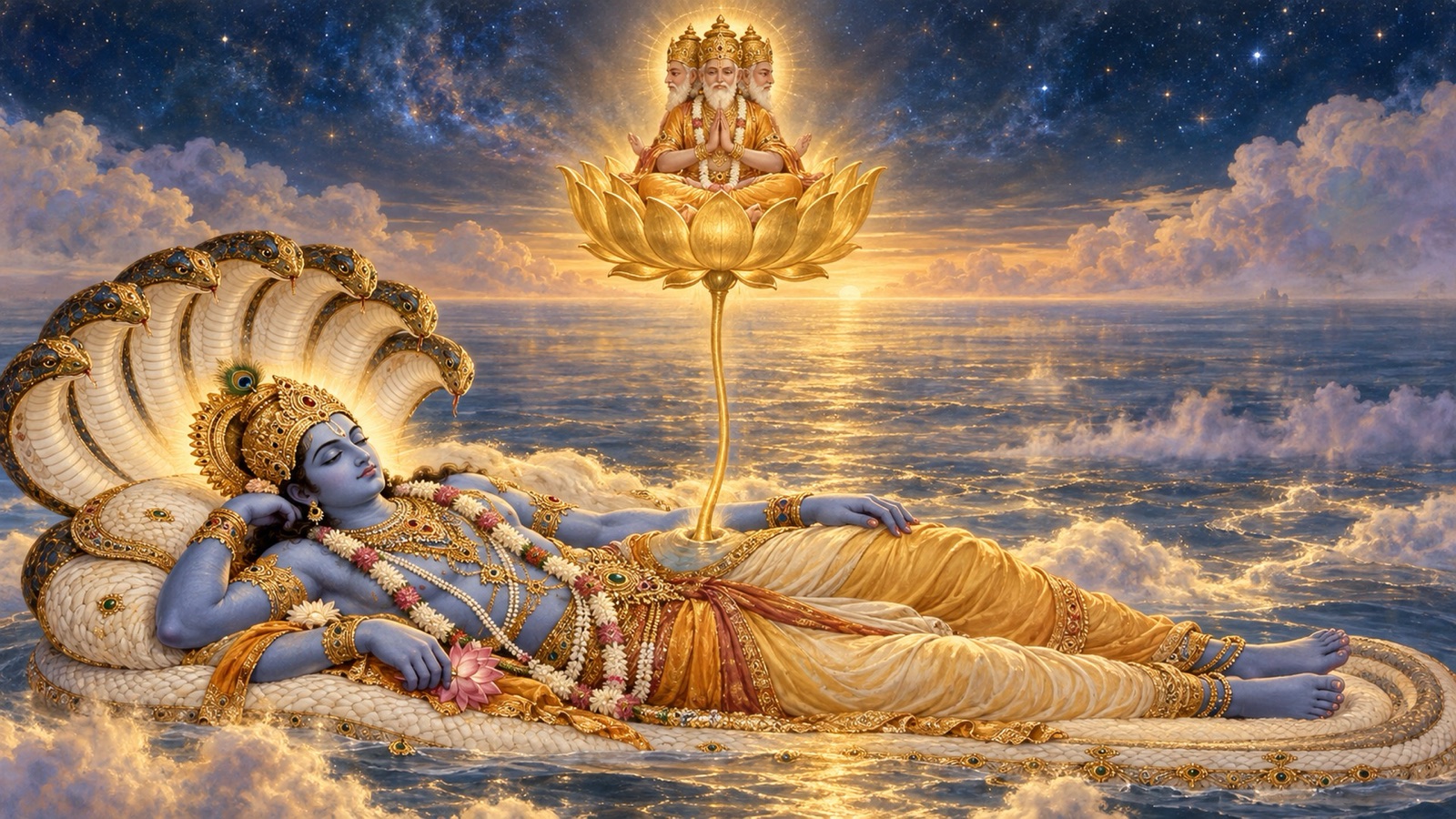
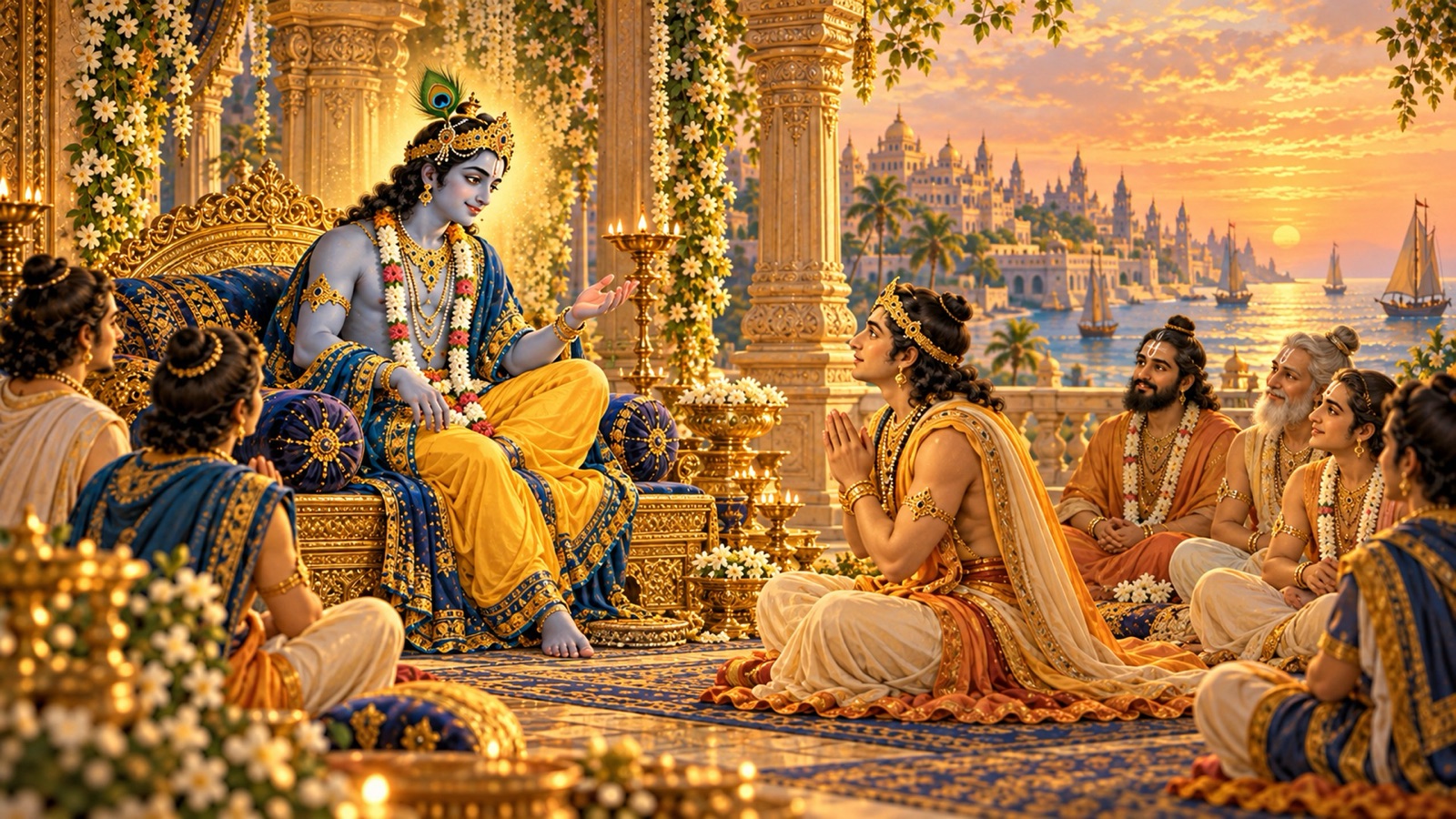
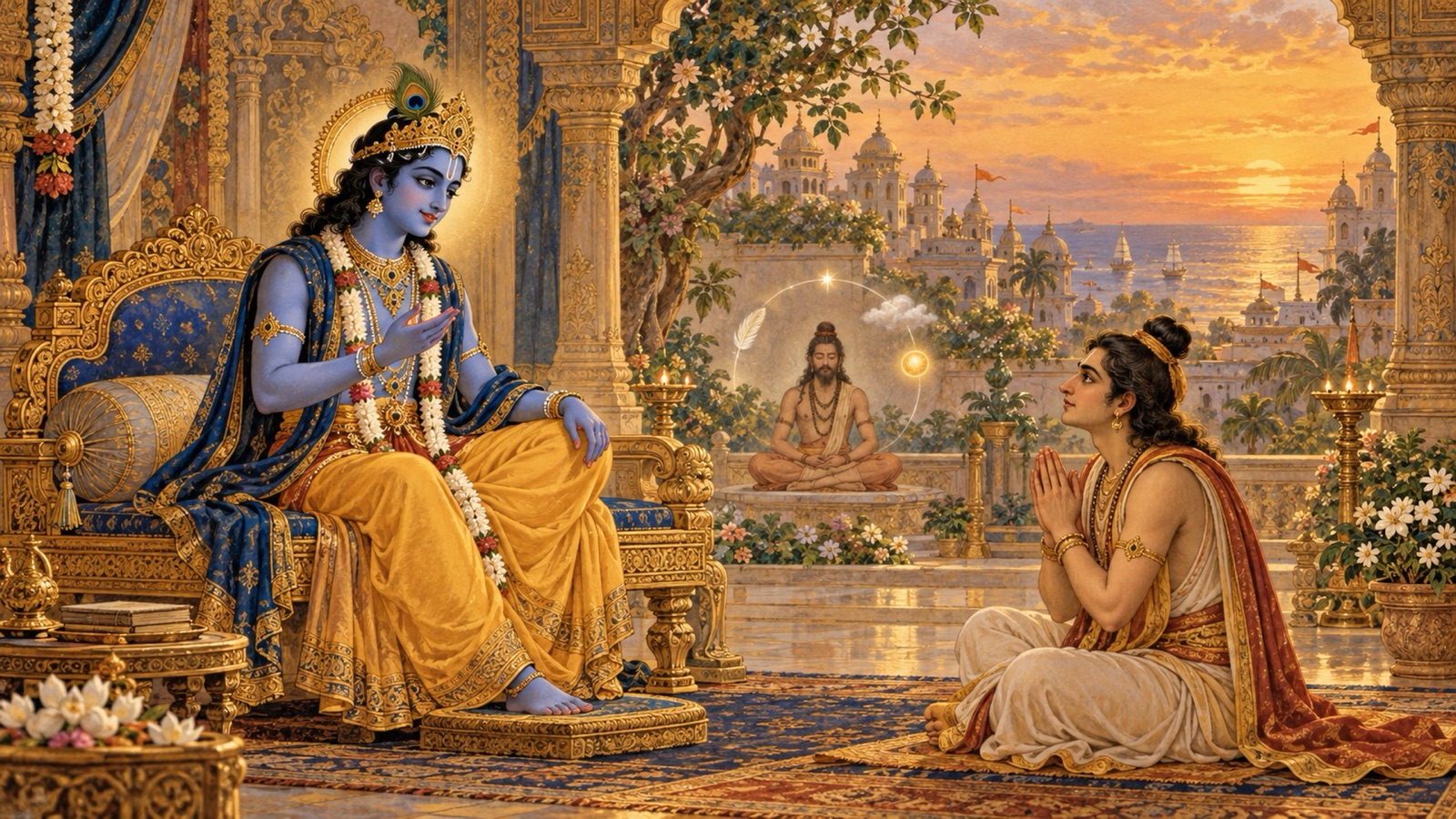
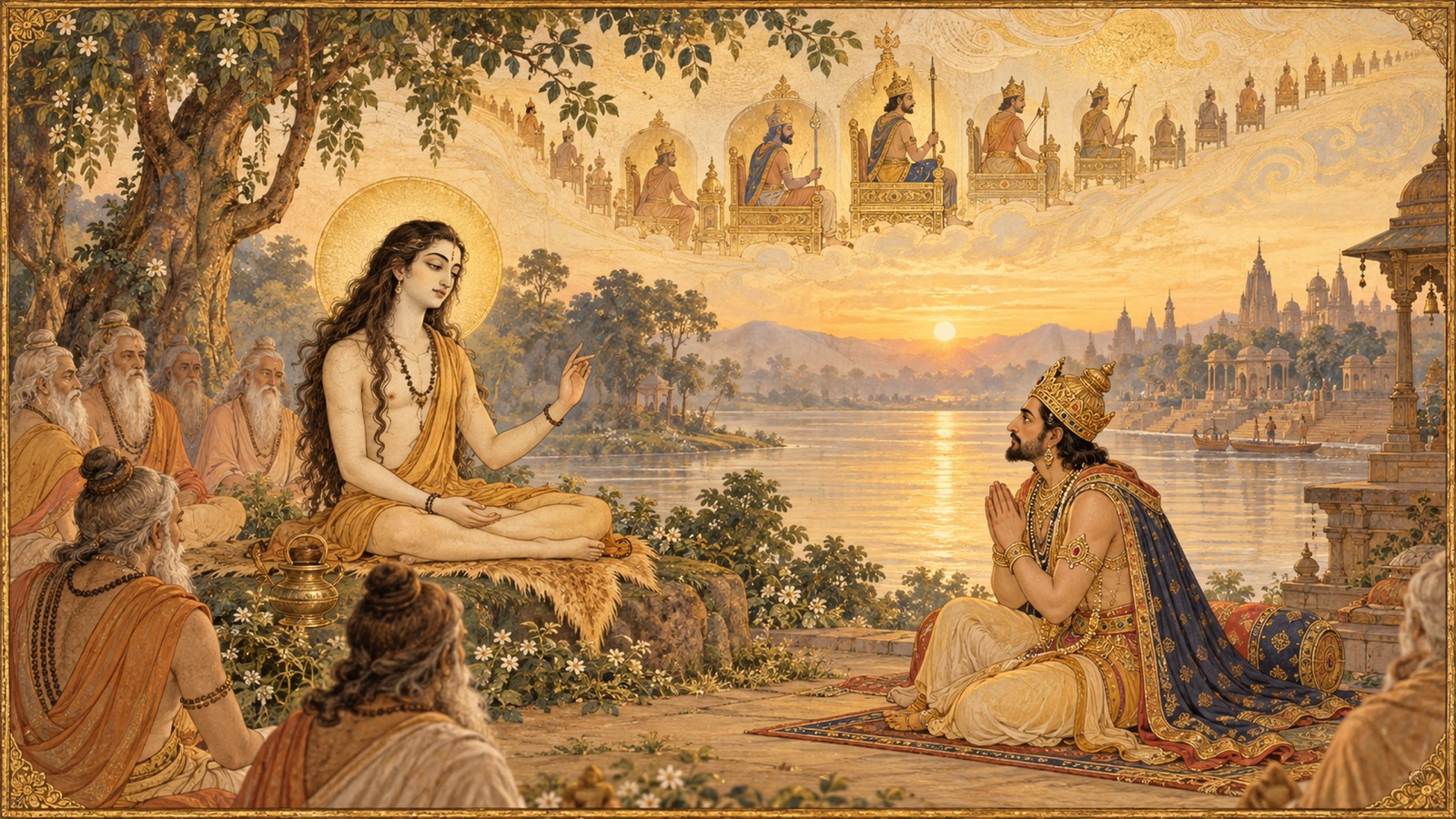
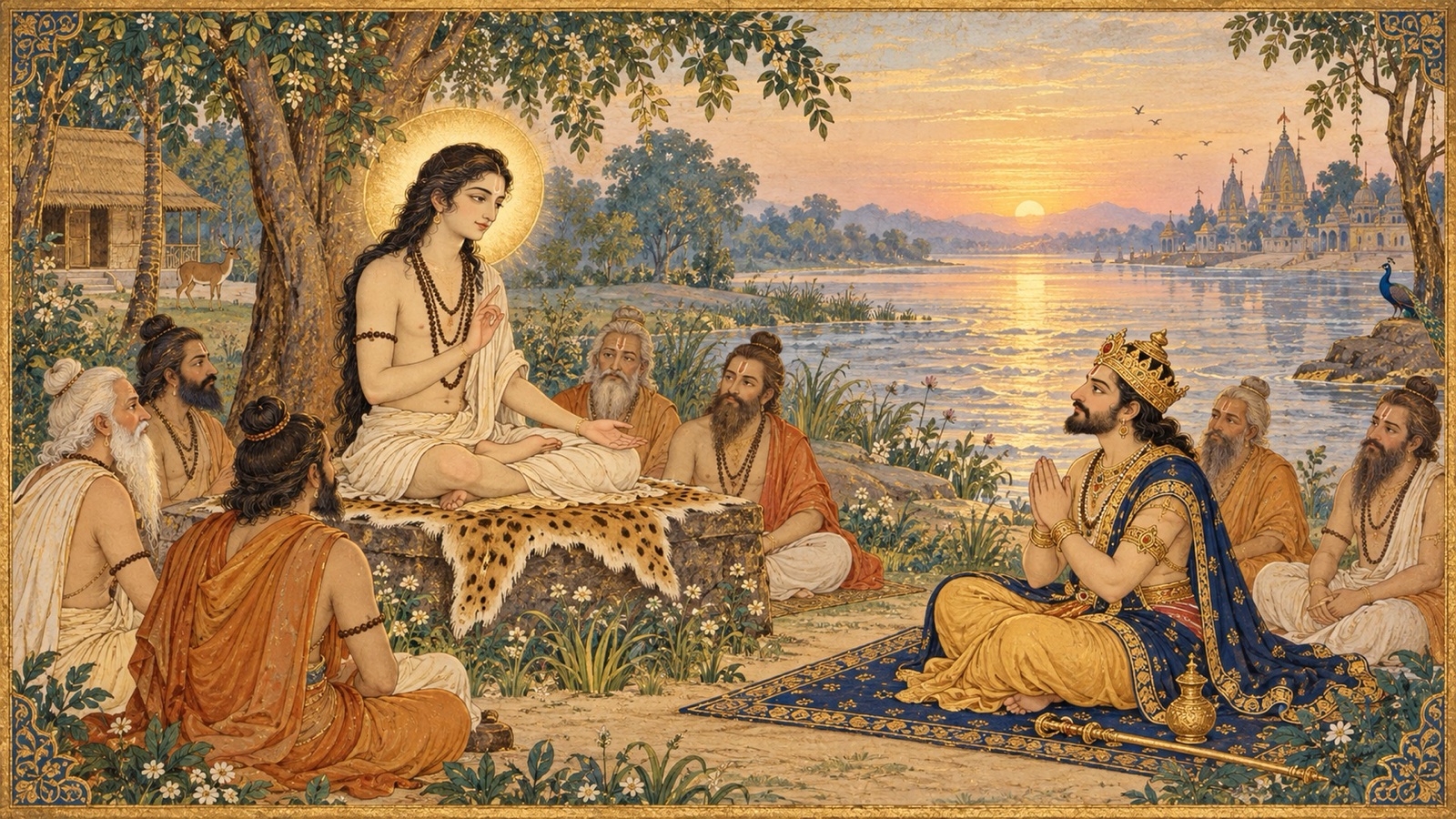
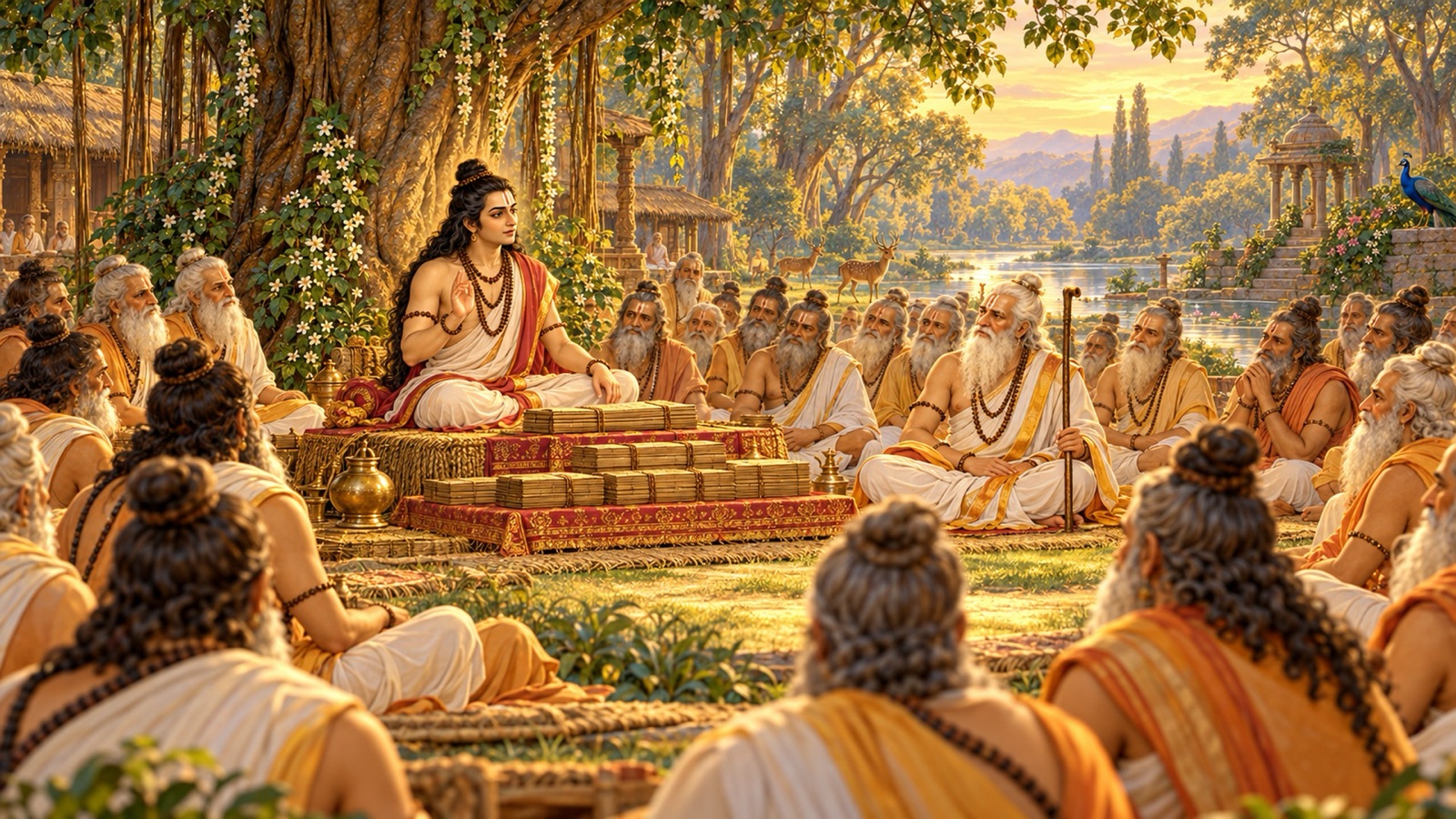
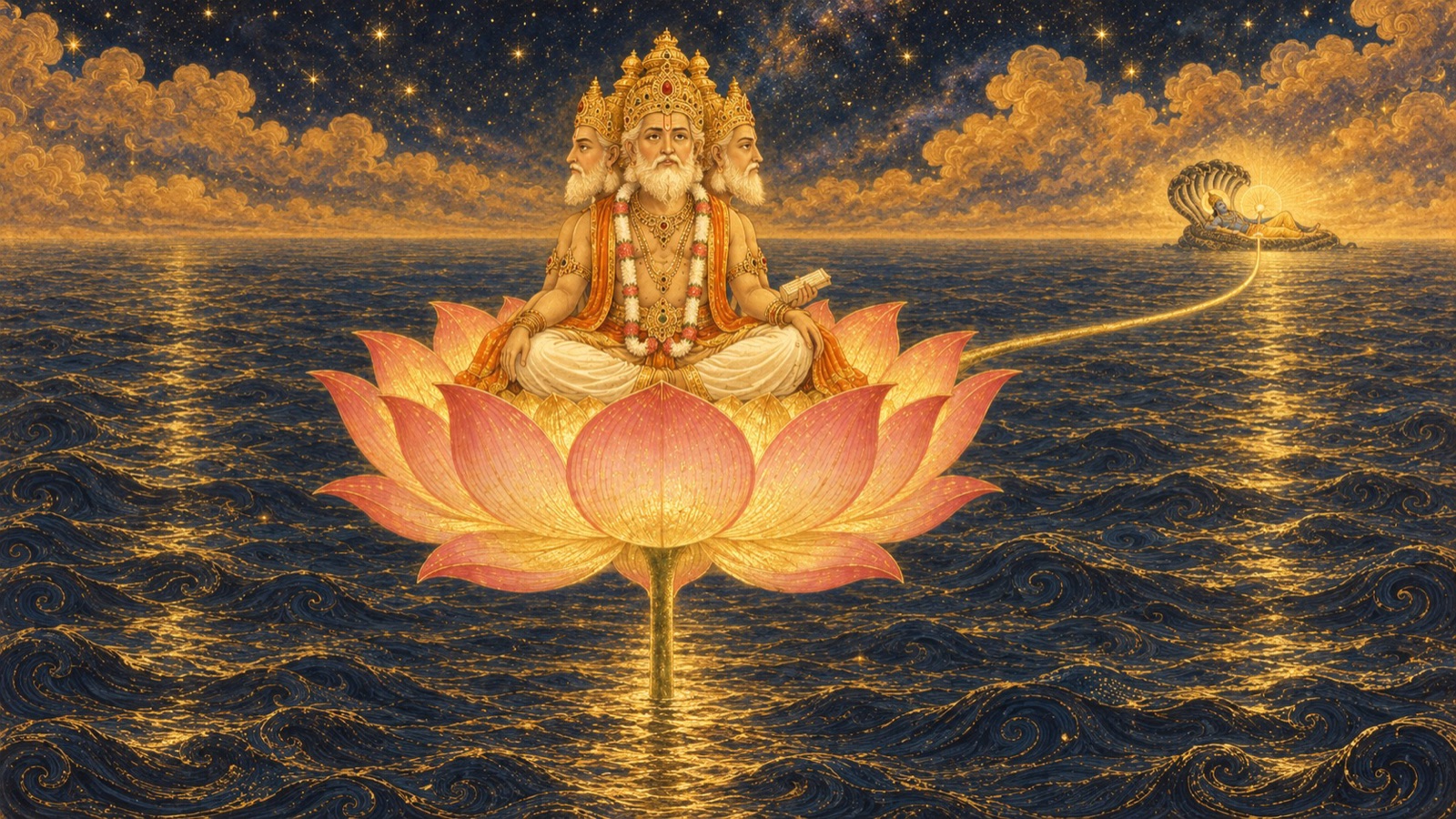
Chaitanya Mahāprabhu describes Śrīmad-Bhāgavatam as the spotless Purāṇa, because it contains transcendental narrations of the pastimes of the Supreme Lord. The history of Śrīmad-Bhāgavatam is also very glorious. Brahmā spoke it to the sage Nārada, who narrated it to Kṛṣṇa-dvaipāyana Vyāsa. Śrīla Vyāsa revealed this Bhāgavatam to the greatest of sages, Śukadeva Gosvāmī, and Śukadeva mercifully spoke it to Mahārāja Parīkṣit.
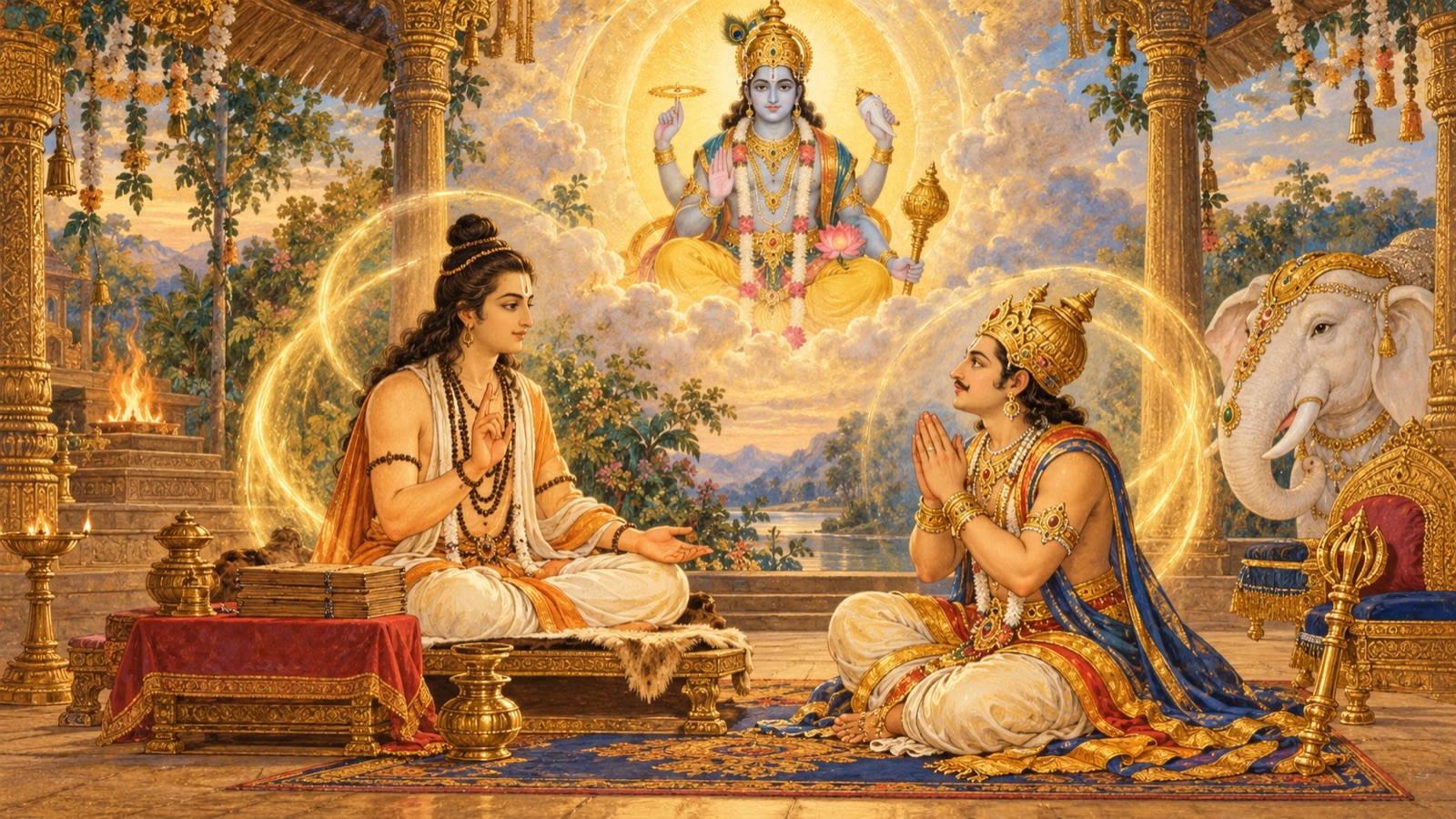
It was compiled by Vyāsadeva, who drew from his mature experience under the instruction of his spiritual master, Śrī Nārada Muni. Vyāsadeva compiled all the Vedic literatures — the four Vedas, the Vedānta-sūtra (Brahma-sūtras), the Purāṇas and the Mahābhārata — yet he was not satisfied until he wrote Śrīmad-Bhāgavatam. His dissatisfaction was observed by his spiritual master, and Nārada advised him to write on the transcendental activities of the Lord Śrī Kṛṣṇa. Śrī Kṛṣṇa's activities are specifically described in the Tenth Canto of Śrīmad-Bhāgavatam, the Canto considered to contain the substance of the whole work.
Just as the eternal nature of fire is to provide heat and light, the eternal dharma of a jīva (soul) is sevā to the Supreme Lord — and serving Srimad Bhagavatam, which is the literary incarnation of the Supreme Lord, by studying it attentively, is one such very important sevā.
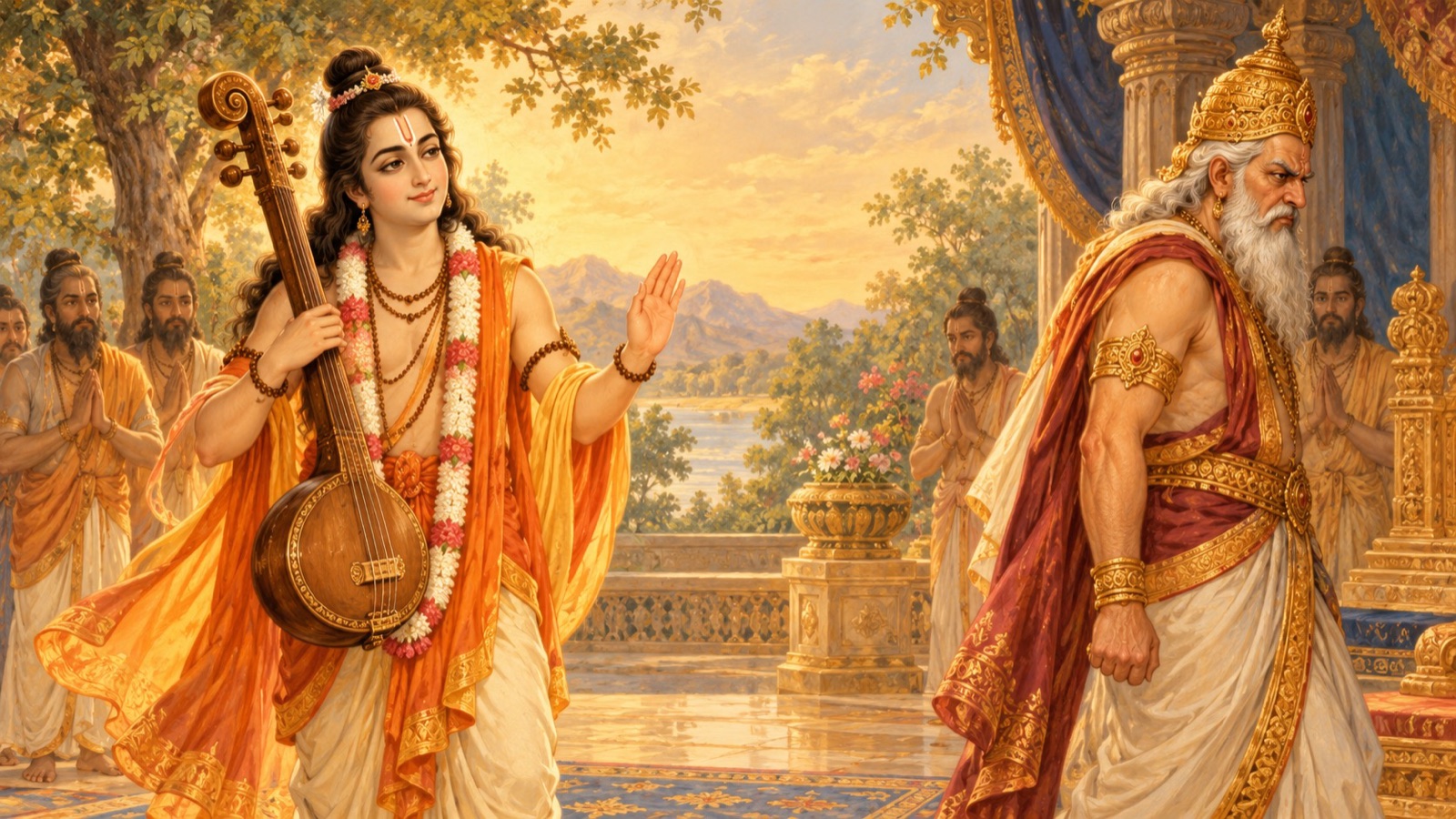
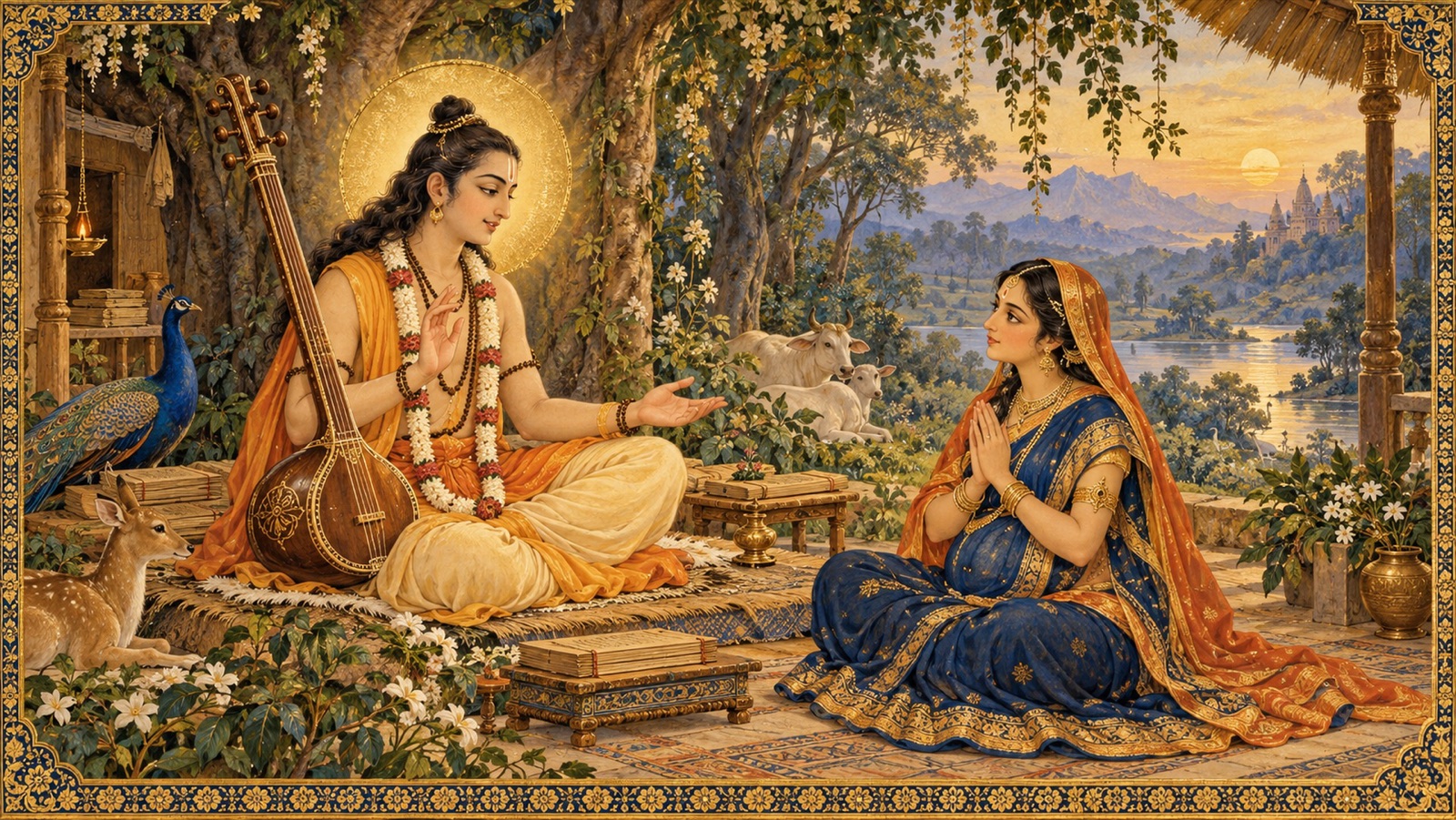
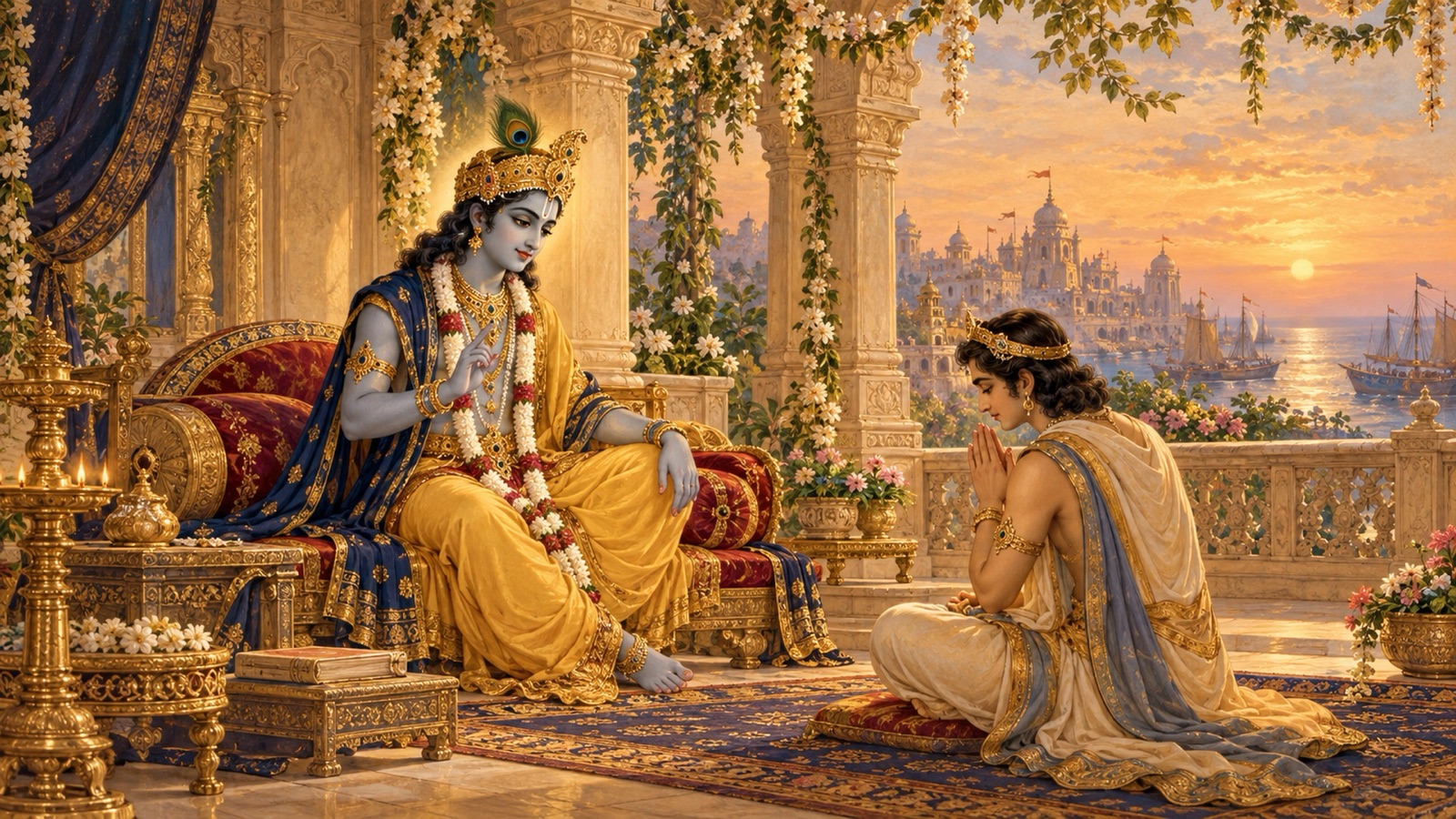
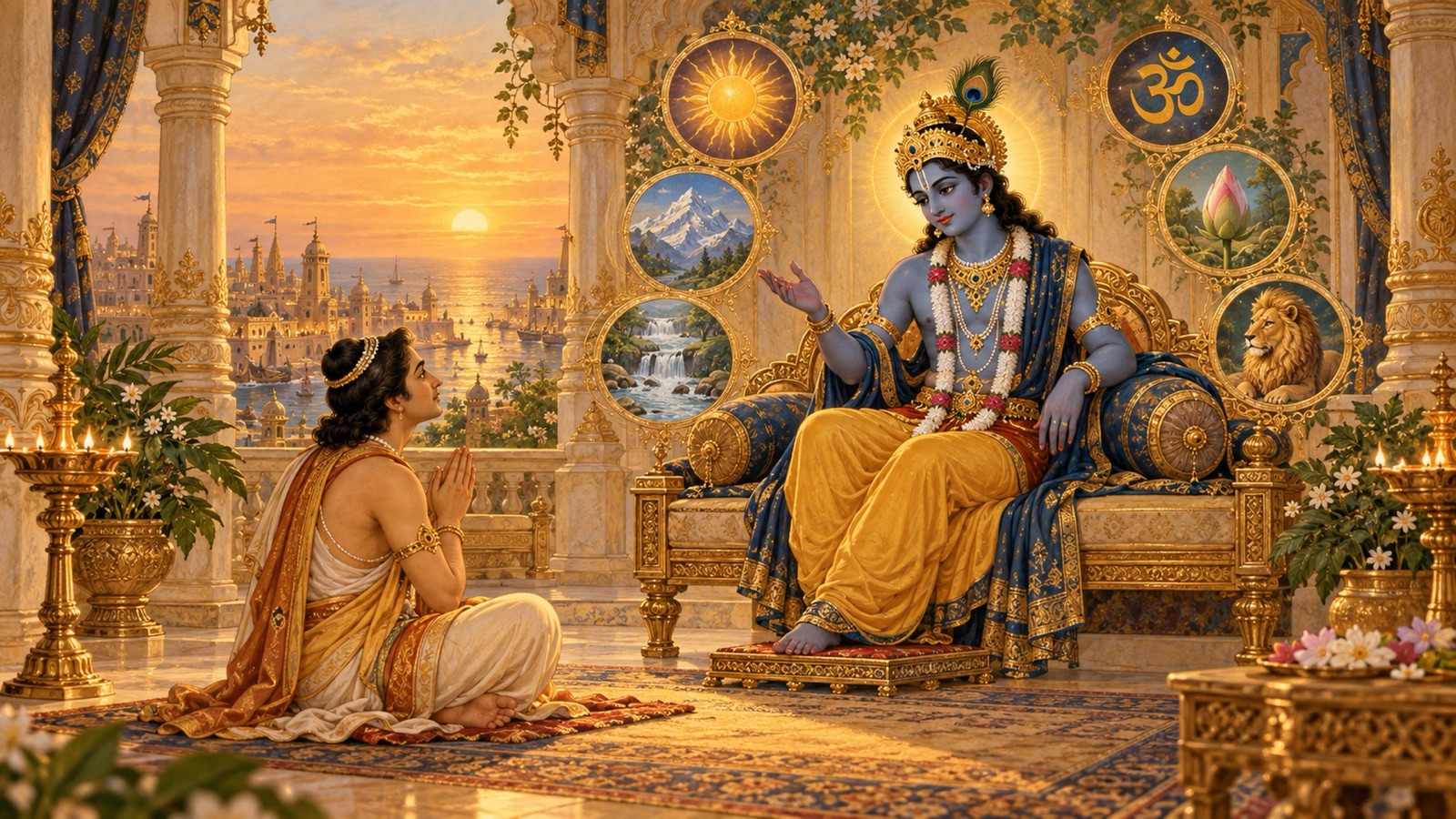
This is why the Bhagavata Mahatmya depicts Bhakti Devi asking Nārada Muni for the welfare of her sons, Gyāna and Vairāgya, and Nārada Muni ultimately concludes that reciting the Bhāgavatam is the best remedy — for, as stated, only the Bhāgavatam can bring jñāna and vairāgya to the level necessary for the practice of pure bhakti.
Therefore, at the very heart of the Bhagavata Mahatmya's exaltation is Krishna's quintessential assertion: "Whatever appears to be of any value — up to and including jñāna and vairāgya — if it has no relation to Me, has no reality."
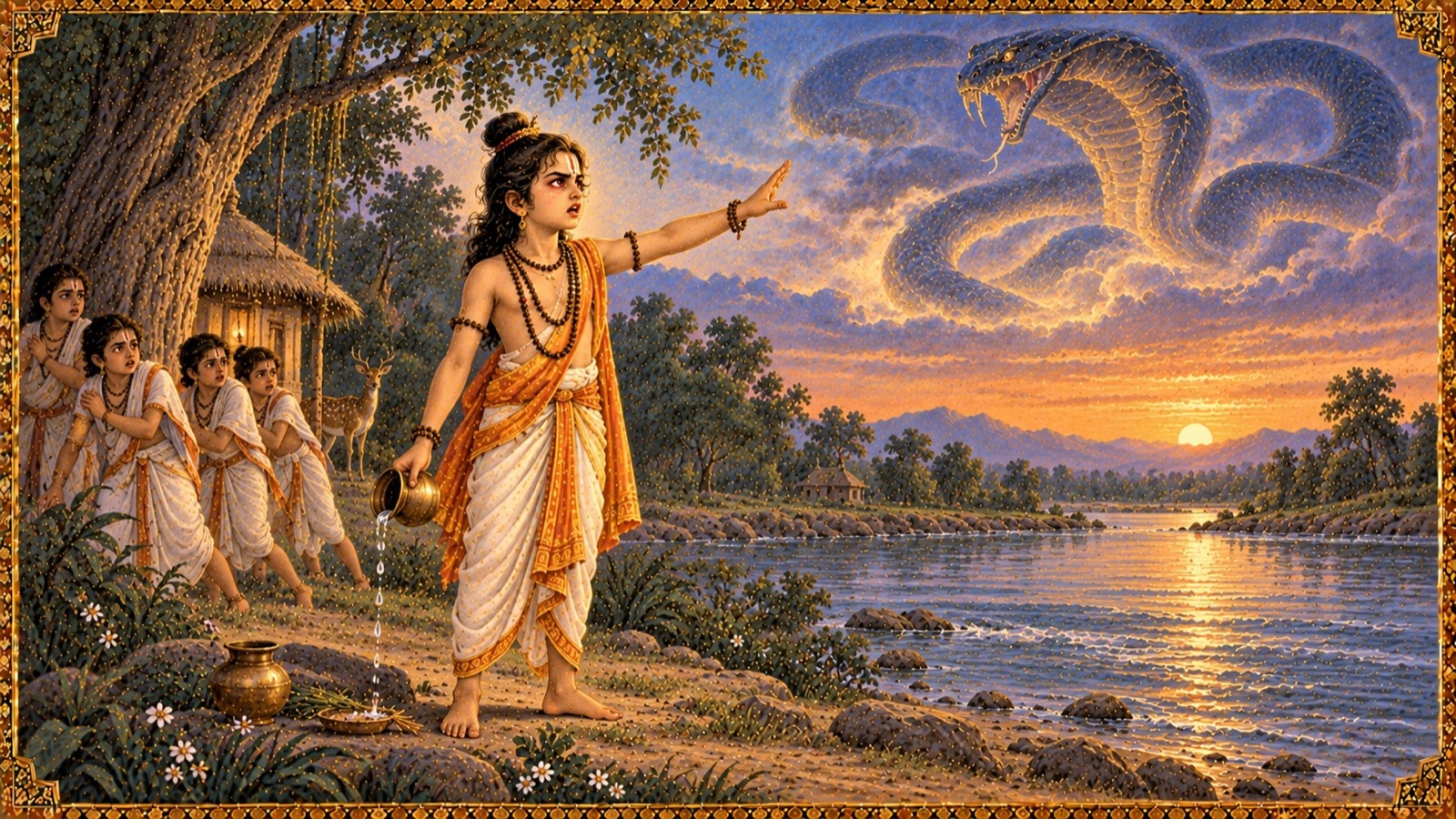
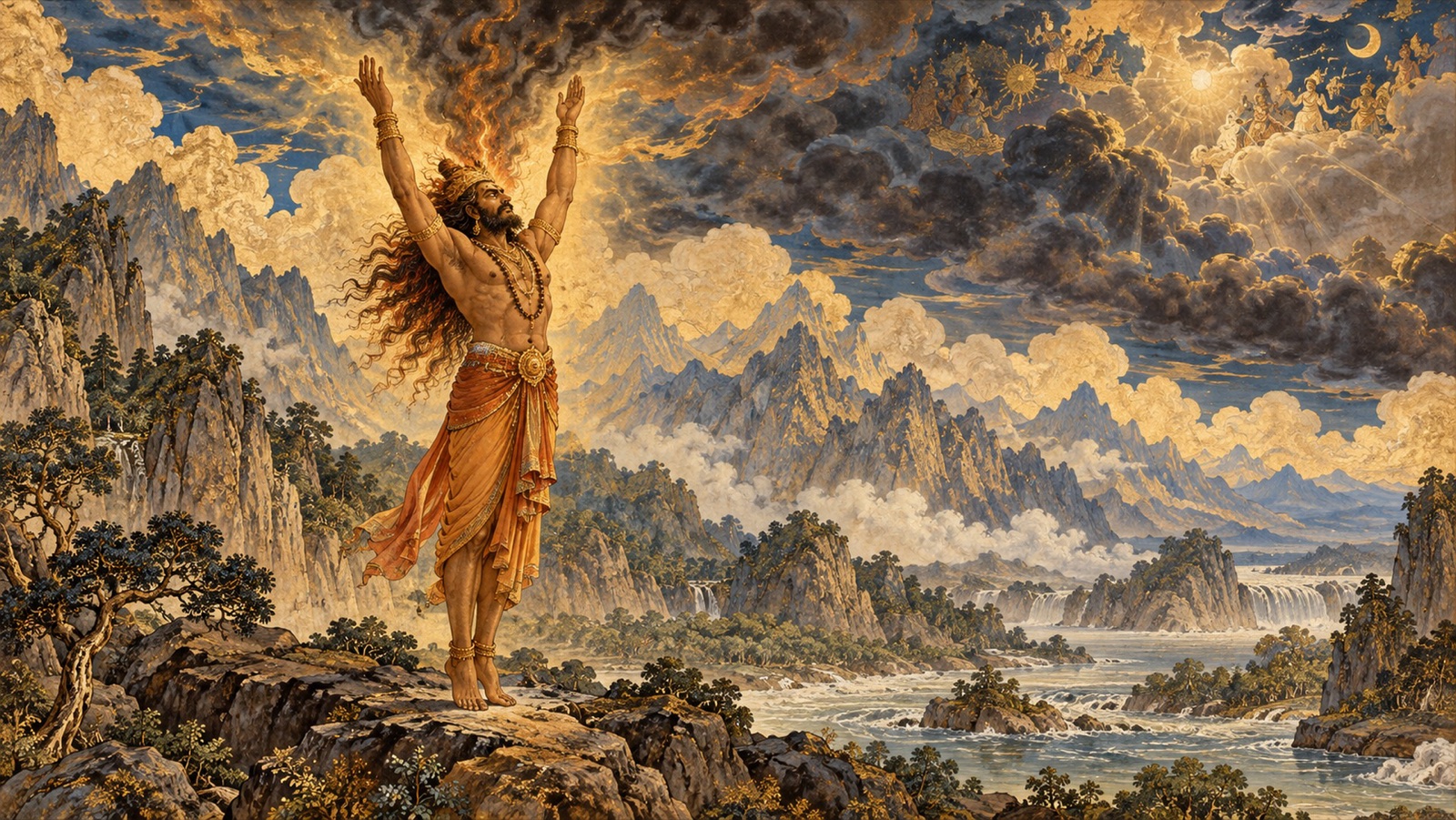
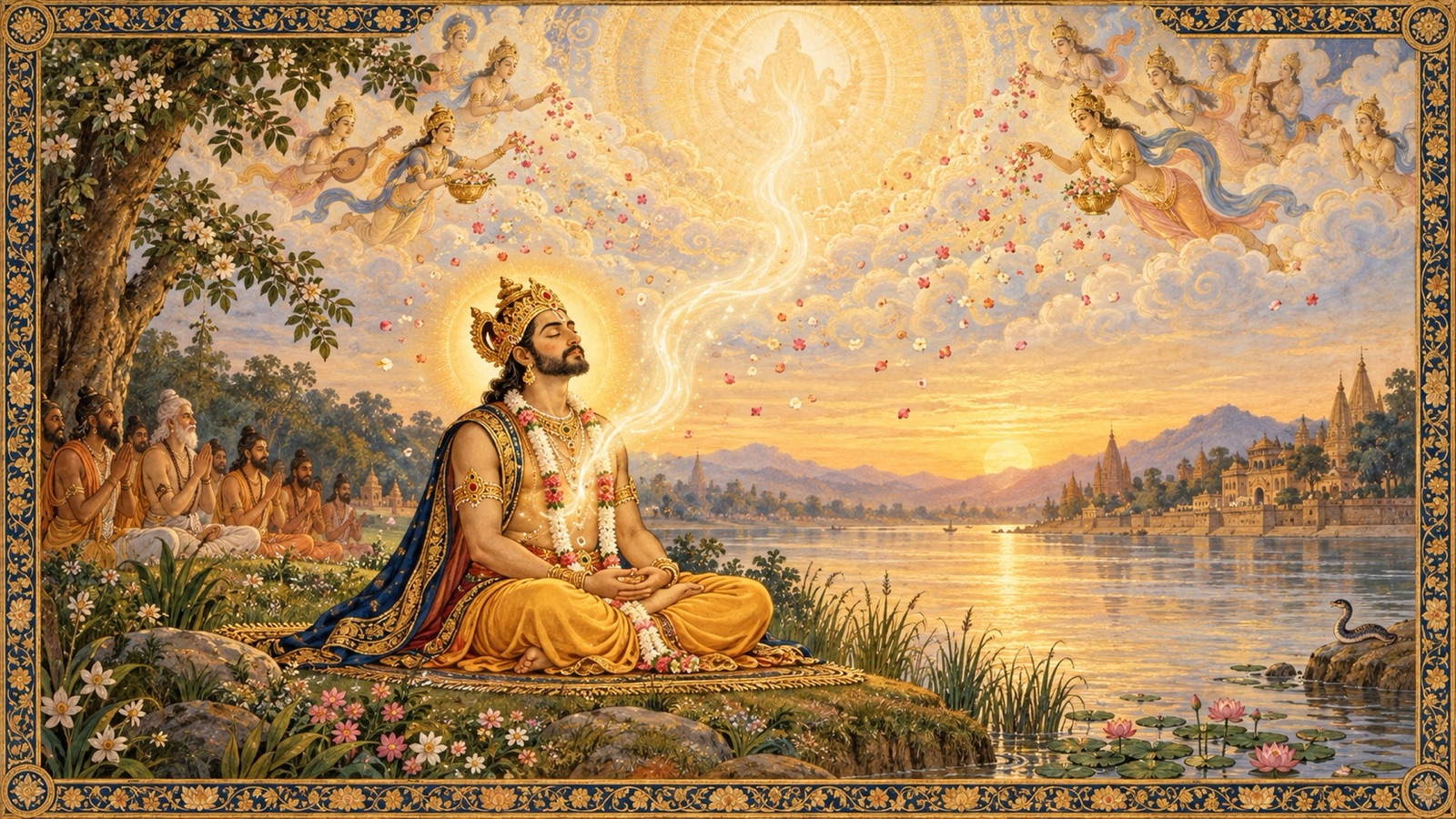
Mahārāja Parīkṣit was given seven days — he was cursed by a brāhmaṇa boy that he would die within seven days, bitten by a snake. Immediately, being emperor, he understood, "I shall have to die." So he prepared himself. For seven days he tried to understand his relationship with Kṛṣṇa, with God. That is imitated today as Bhāgavata-saptāha. But actually, the Bhāgavatam is not meant to be studied only by imitating Mahārāja Parīkṣit for seven days — no. In seven days we cannot understand even one verse of Śrīmad-Bhāgavatam, what to speak of its eighteen thousand verses. That is not possible. The Bhāgavatam says, nityaṁ bhāgavata-sevayā. The Panchasakha say, "Param shastra Bhagavata... abhyāsa karuthibu nitya…" — it is not for seven days; it is for all of life.
That is why Pandit Dr. Shri Kashinath Mishra has mercifully advised all of us to read at least one chapter from Srimad Bhagwat Mahapuran every day — and more so, to transcend the coming turbulent times, it is all the more important!
Jay Shree Madhava · Jay Shrimad Bhagwat Mahapuran
📖 Srimad Bhagwat Mahapuran Wisdom — the chapter-by-chapter Srimad Bhagavatam series, in scripture order, under the guidance of Pandit Dr. Shri Kashinath Mishra🕉️ New sacred reading published for every narrated chapter — verse-verified, faithful to the Gita Press edition📿 Watch the complete playlist — Bhagavata Mahatmya through Canto 1, chapter by chapter📖 Srimad Bhagwat Mahapuran Wisdom — the chapter-by-chapter Srimad Bhagavatam series, in scripture order, under the guidance of Pandit Dr. Shri Kashinath Mishra🕉️ New sacred reading published for every narrated chapter — verse-verified, faithful to the Gita Press edition📿 Watch the complete playlist — Bhagavata Mahatmya through Canto 1, chapter by chapter
Devotional Series · Under the Guidance of Pandit Dr. Shri Kashinath Mishra
Srimad Bhagwat Mahapuran
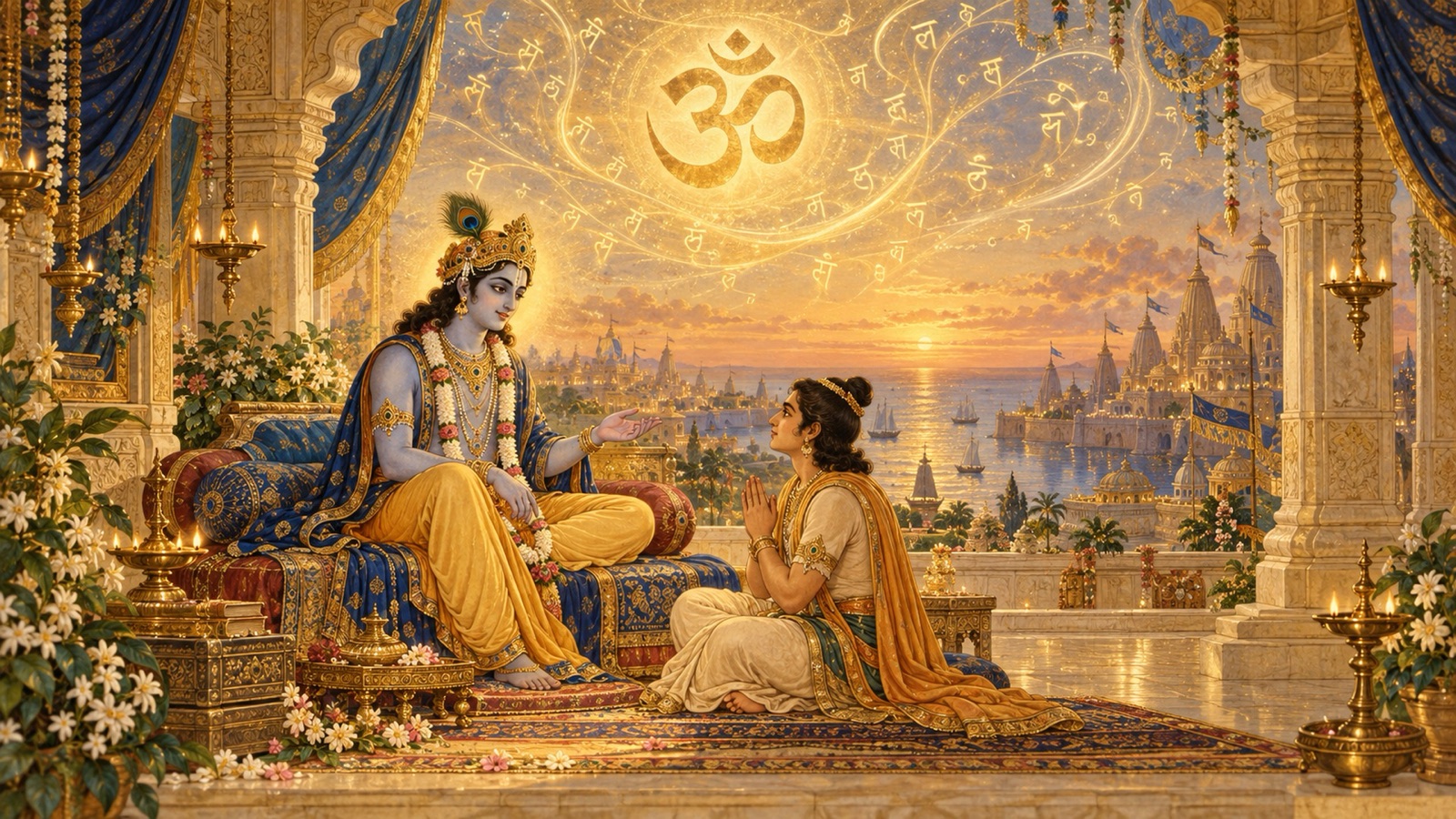
The Srimad Bhagavatam, chapter by chapter — the Bhagavata Mahatmya and every Canto narrated in scripture order, each episode opening with the mantra ॐ नमो भगवते वासुदेवाय. Follow the sacred reading alongside the narrated video for each chapter.
A faithful chapter-by-chapter reading and devotional presentation, grounded in Gita Press, verse-verified, and following the sacred text in its original order.
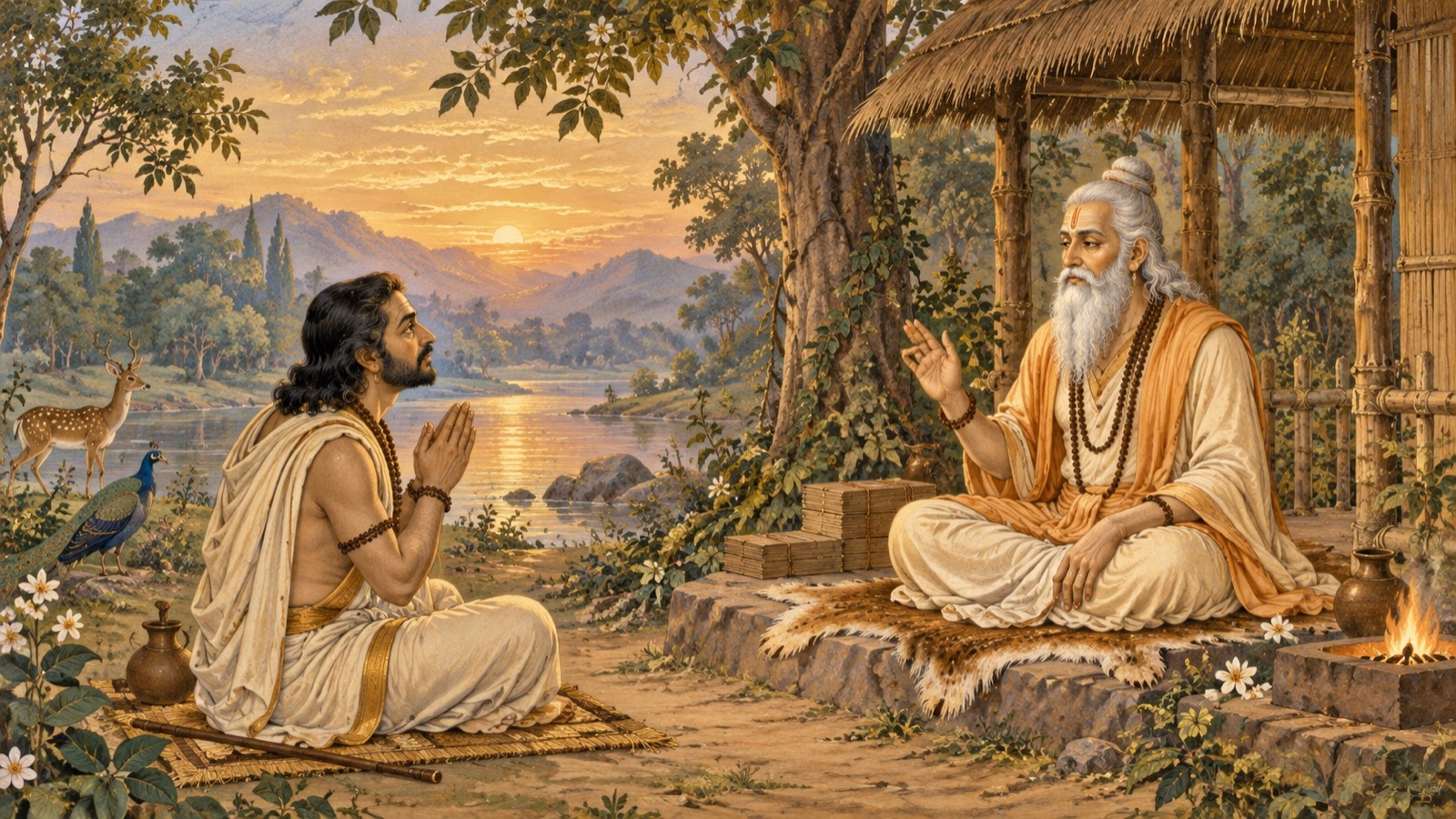
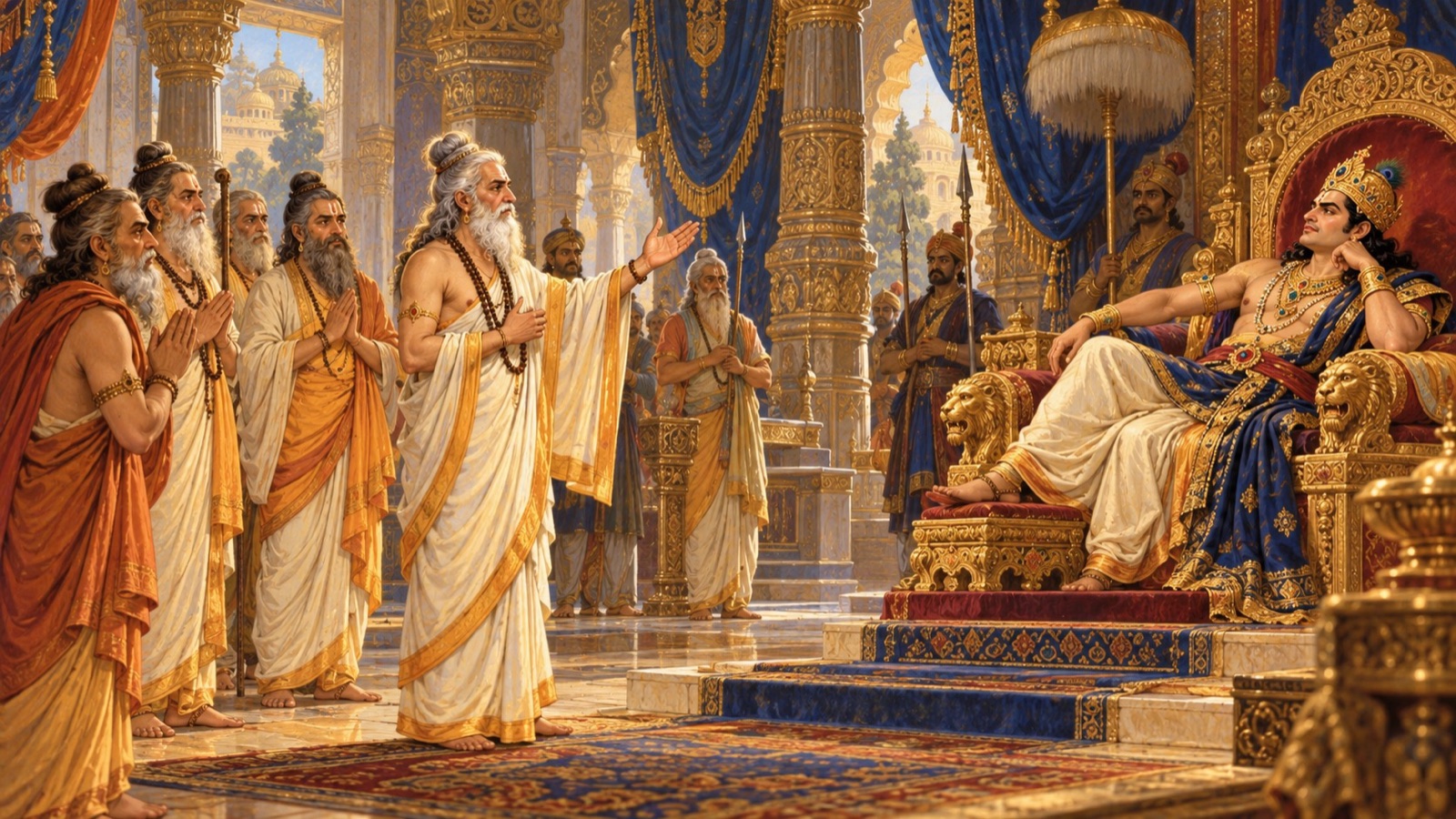
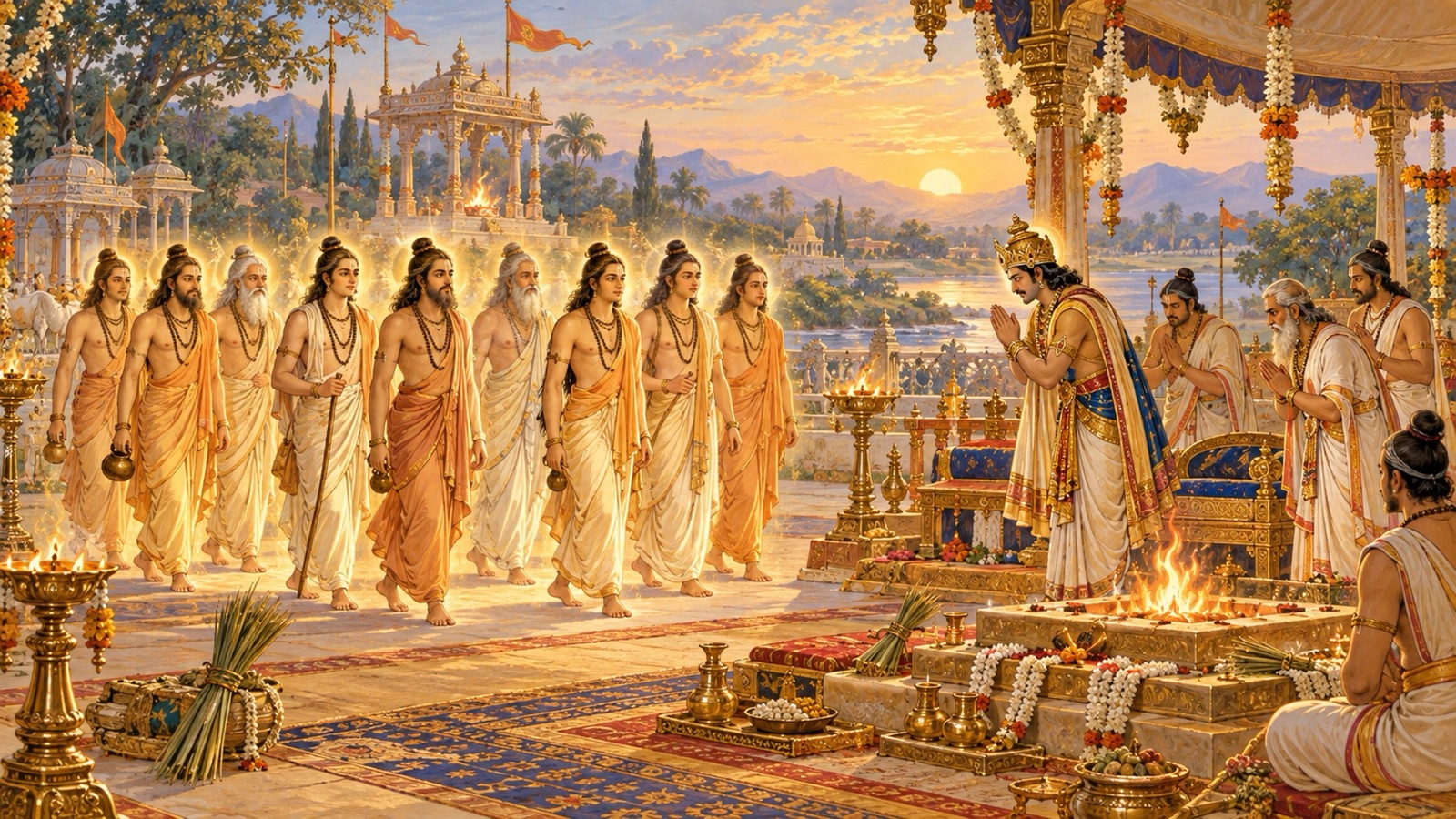
Enter Naimisaranya, where Shaunaka and the sages question the blessed Suta and the whole Bhagavata begins. A faithful, devotional retelling with verified verses.
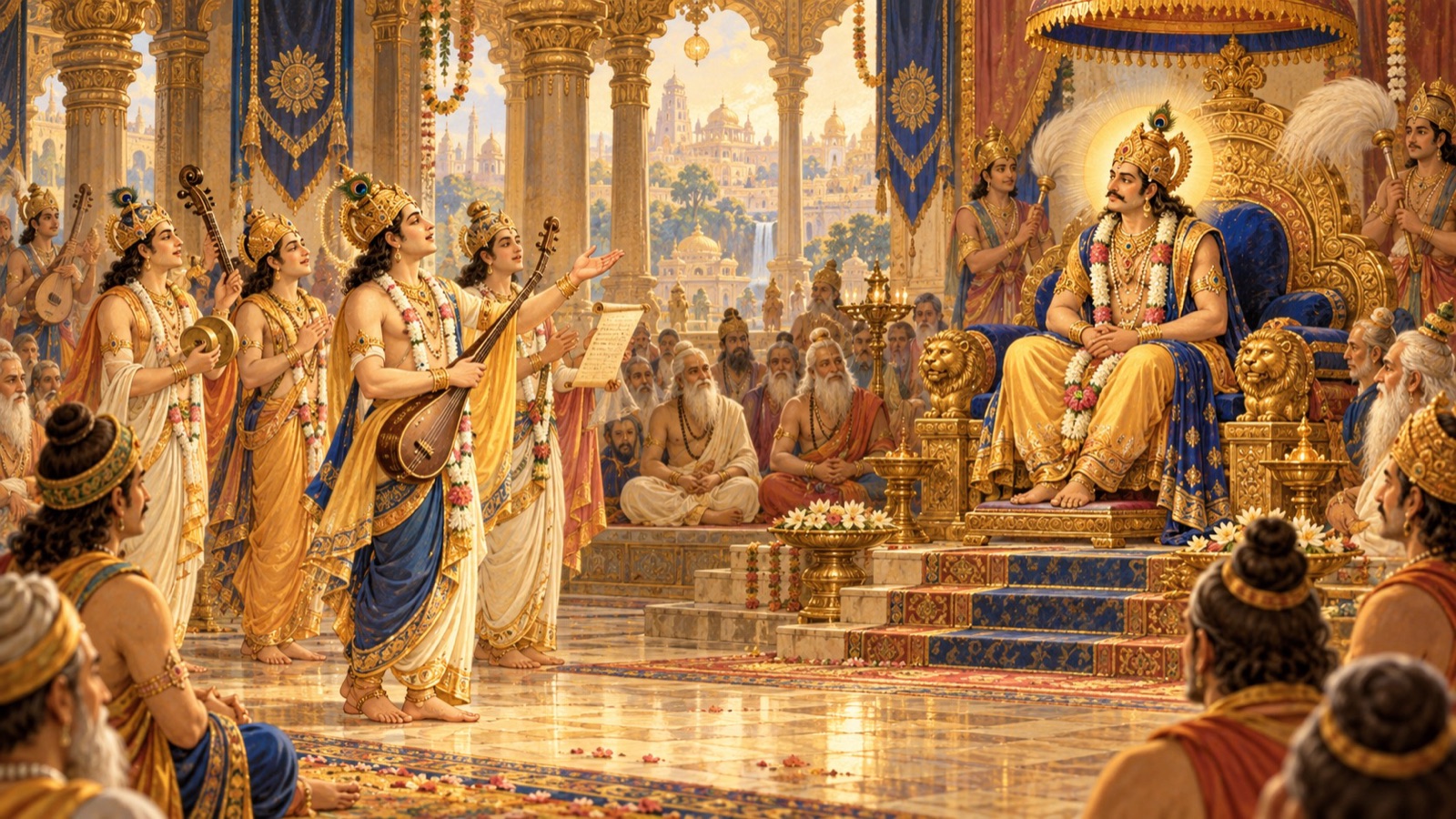
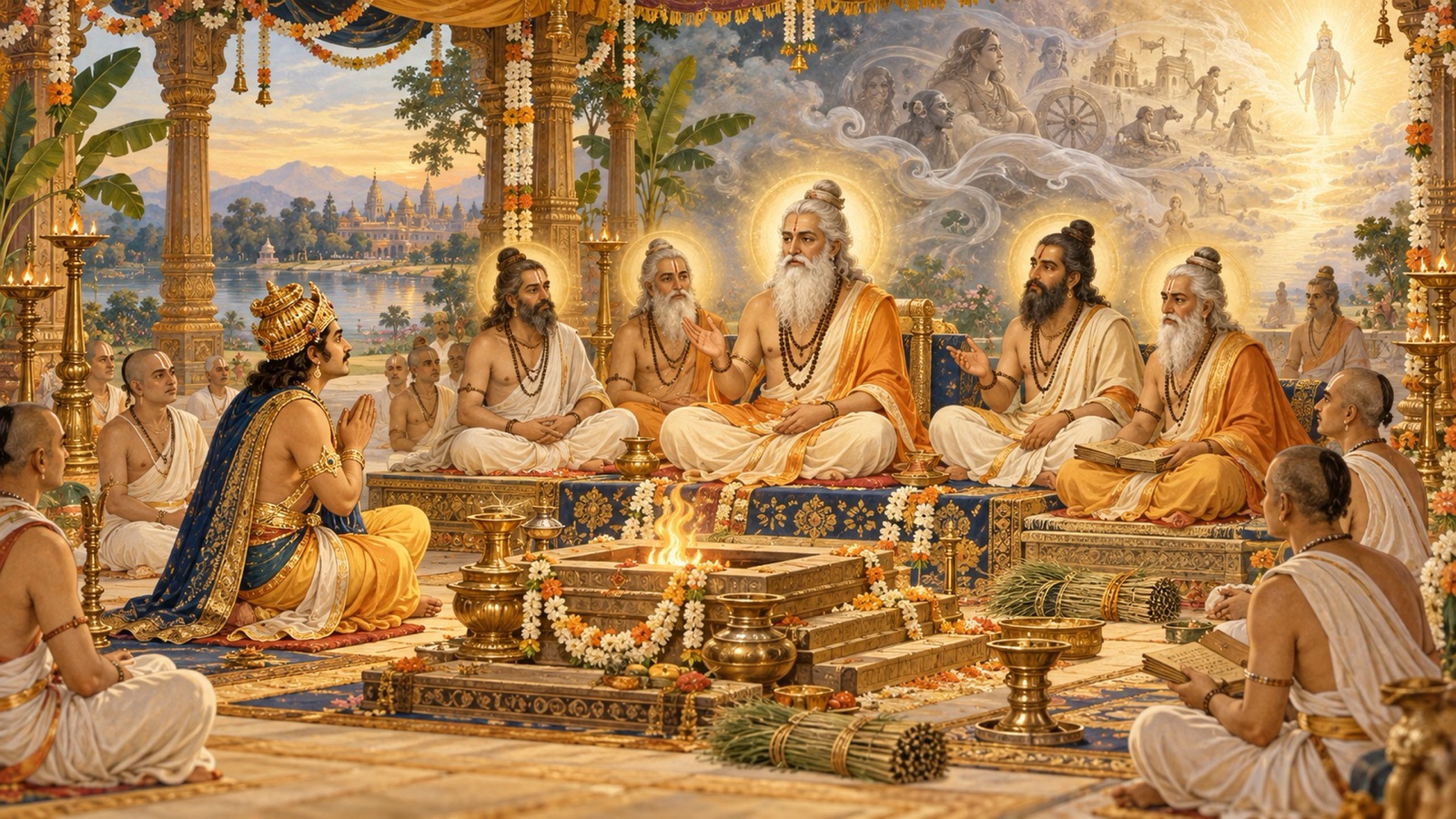
Suta Goswami answers the sages: loving devotion to the Lord, offered without motive, is the highest dharma. A faithful, devotional retelling with verified verses.
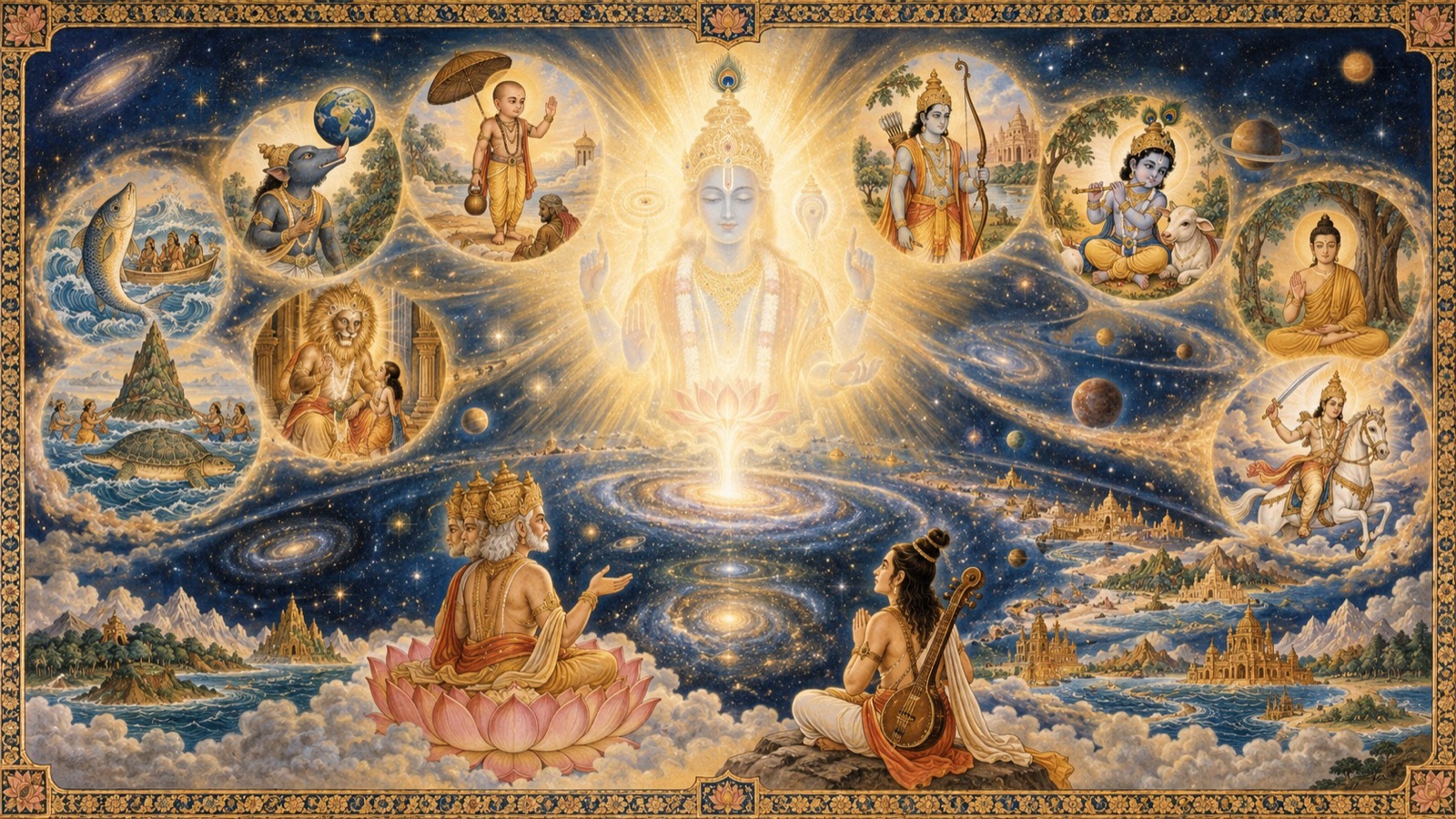
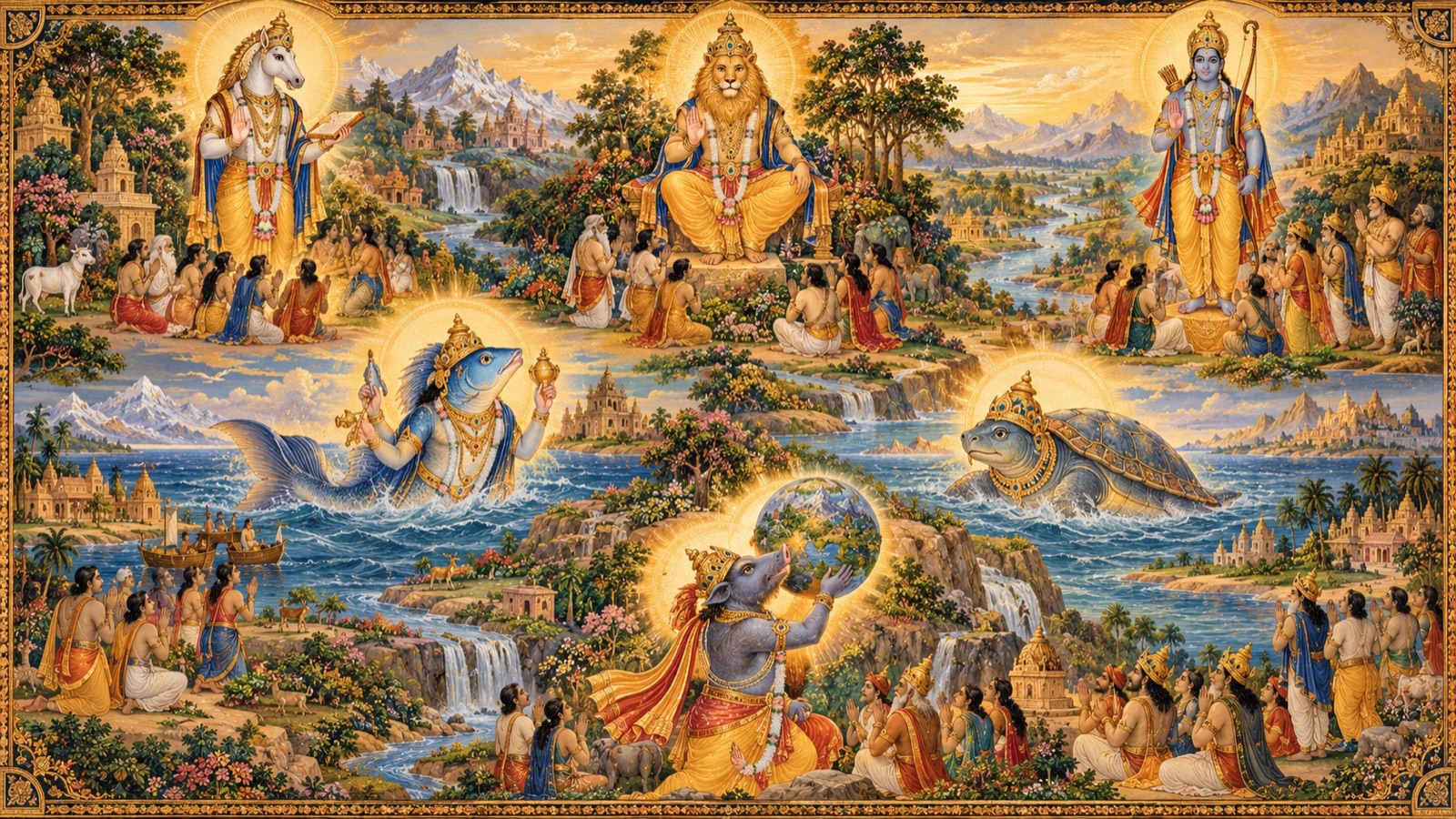
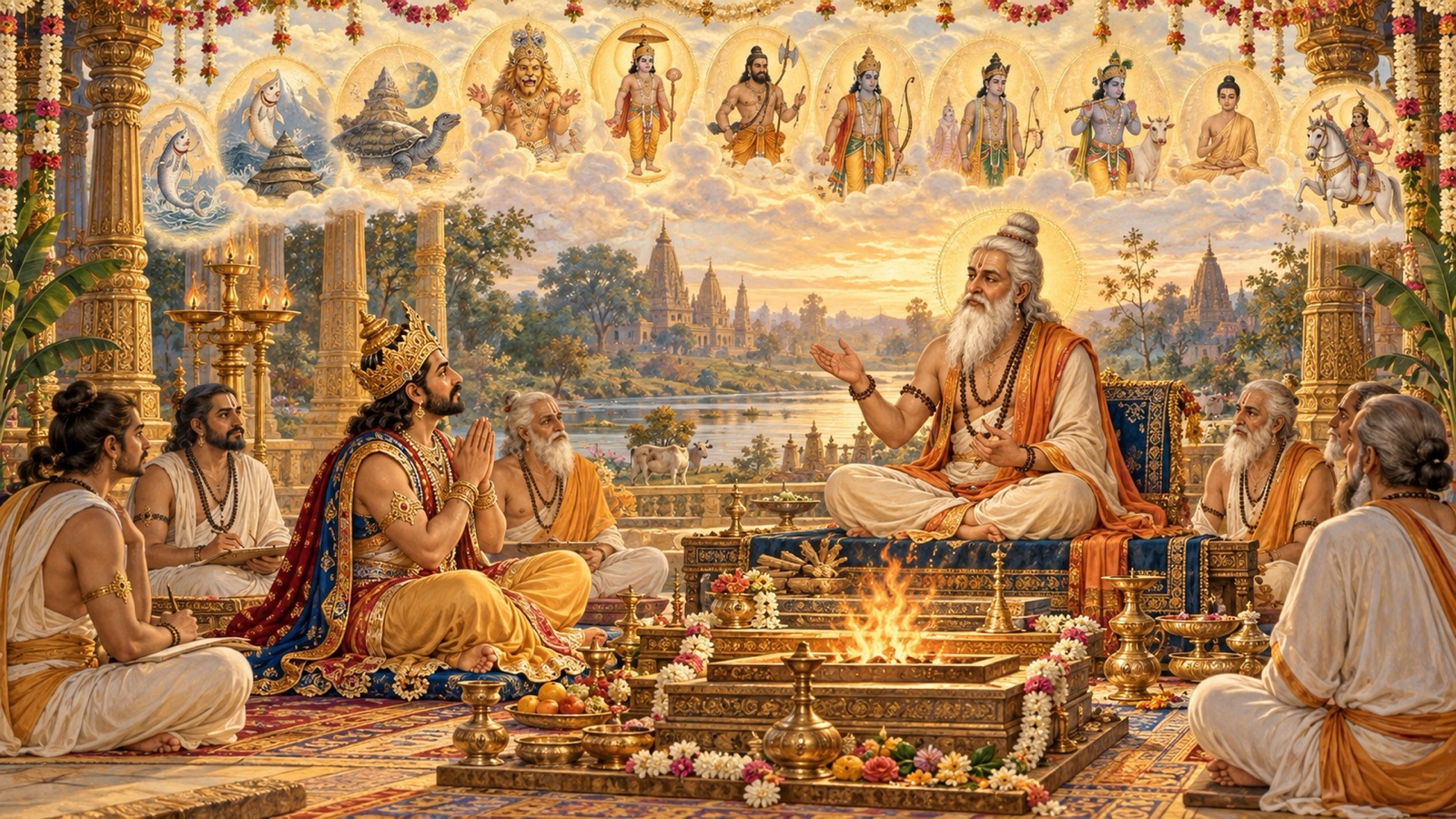
The blessed Suta unfolds the Lord's descents, from the Primal Person to Kalki, and reveals the great truth: Sri Krishna is the Supreme Lord Himself. A faithful devotional retelling with verified verses.
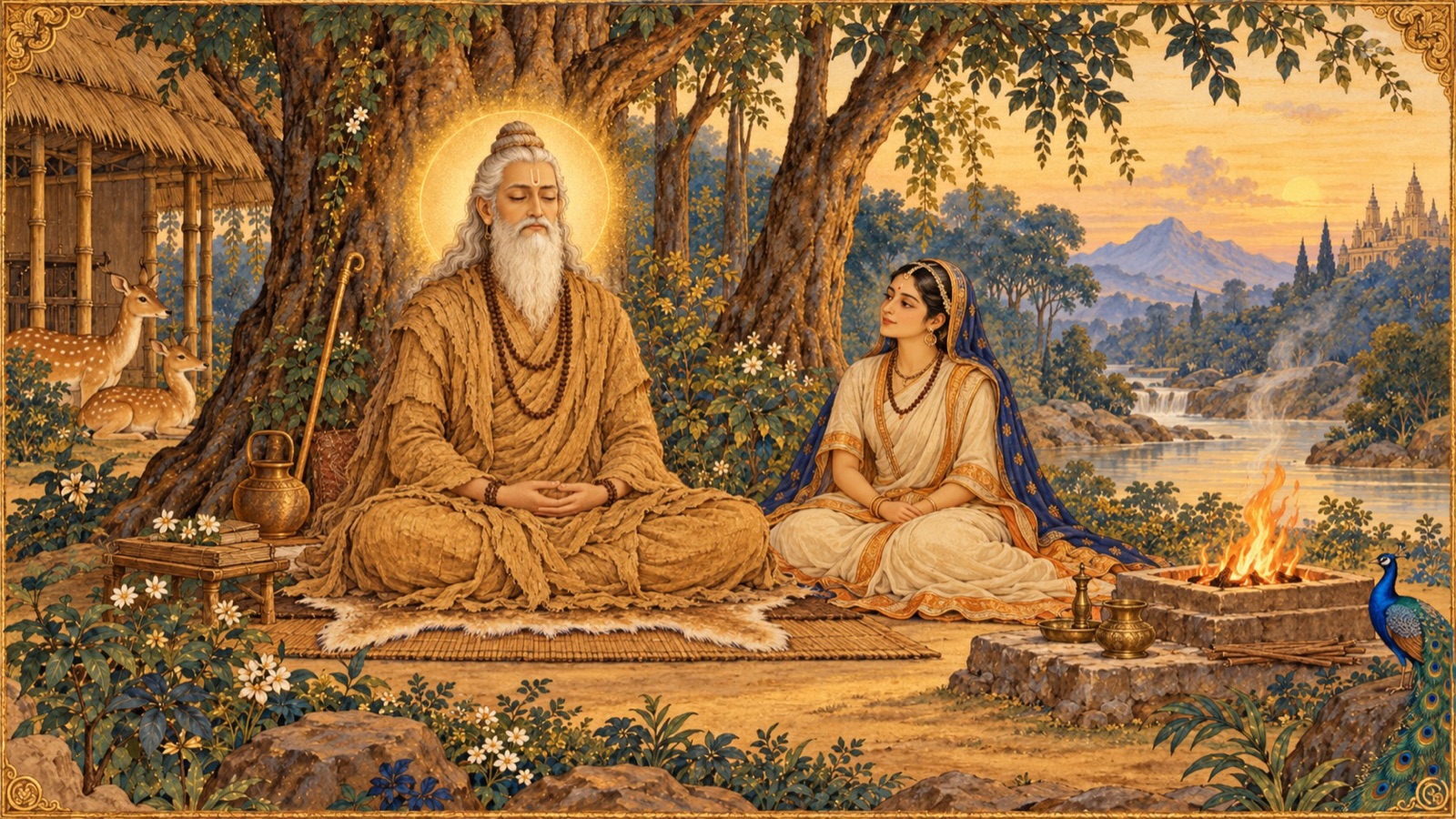
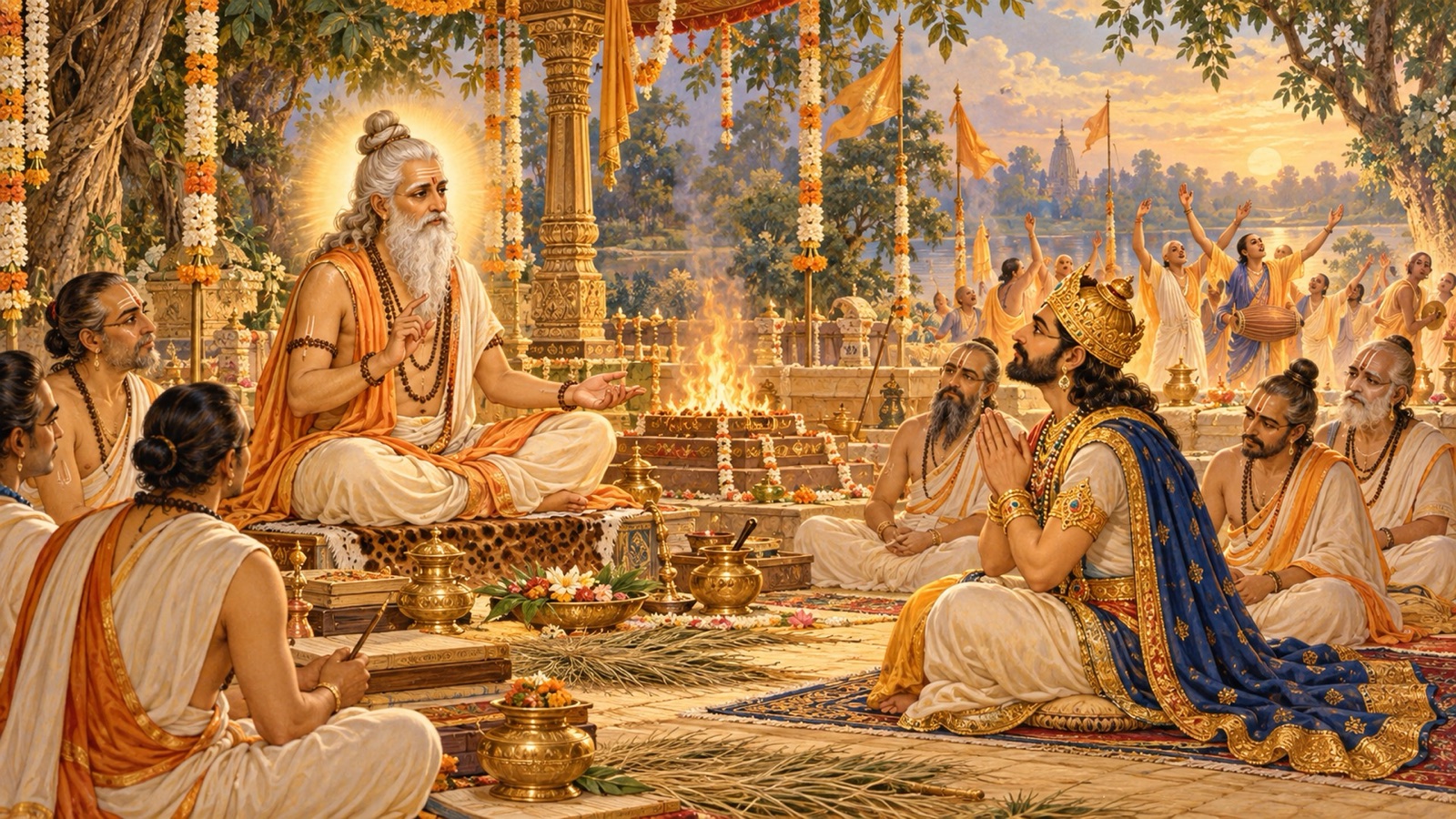
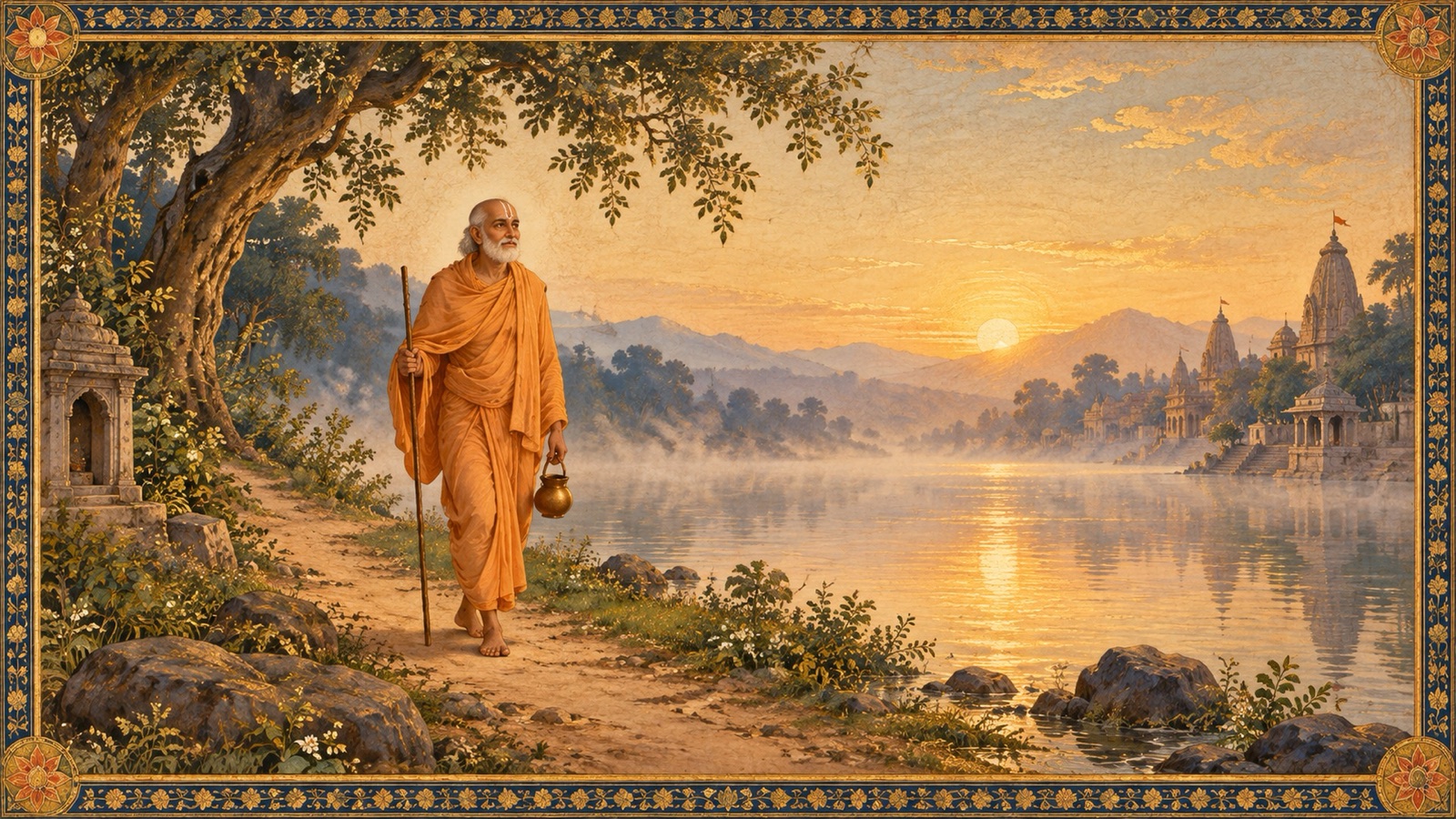
Even the compiler of the Vedas felt his heart unsatisfied. A faithful, devotional retelling of Vyasa's discontent and the coming of Narada, with verified verses.
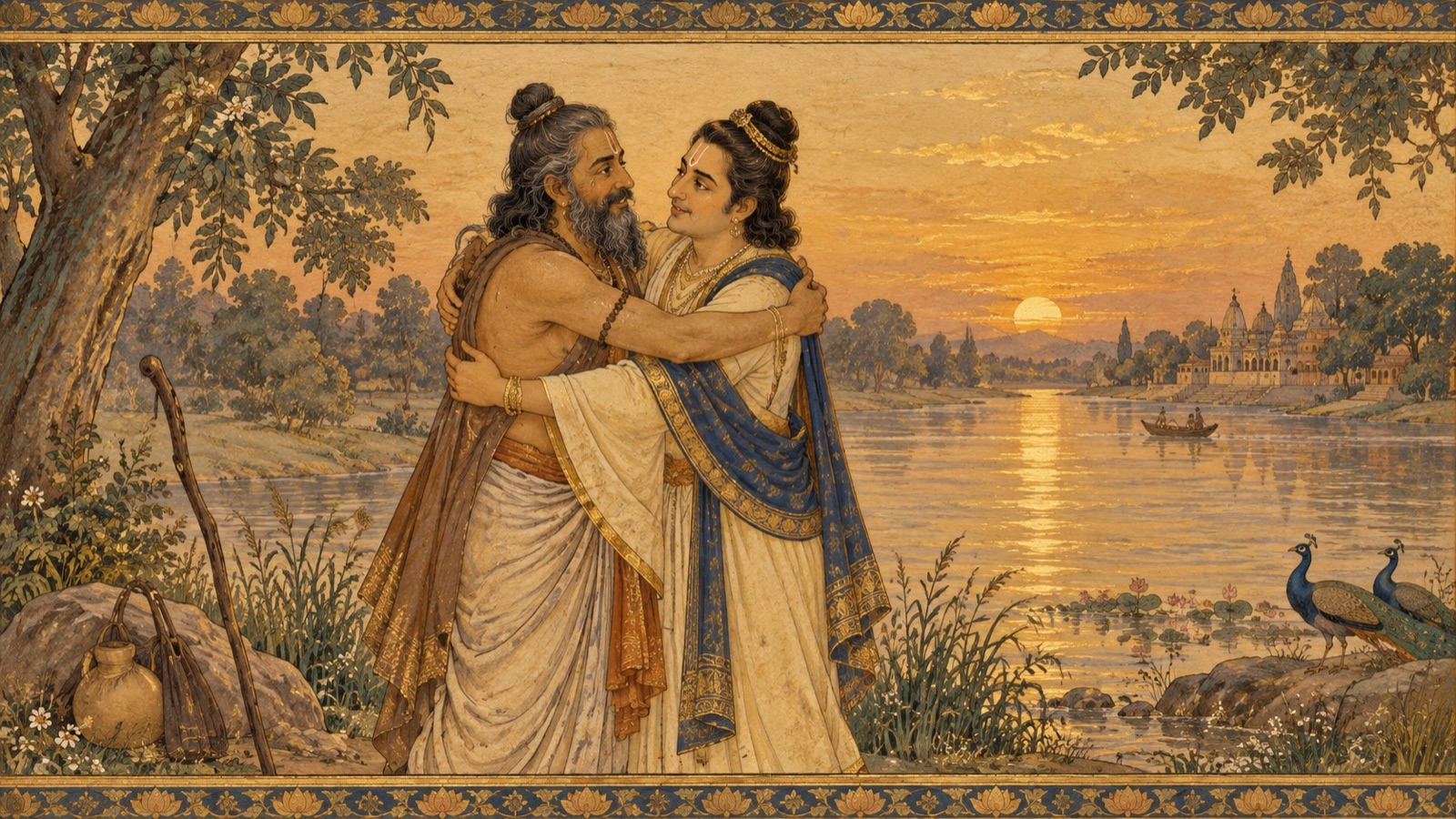
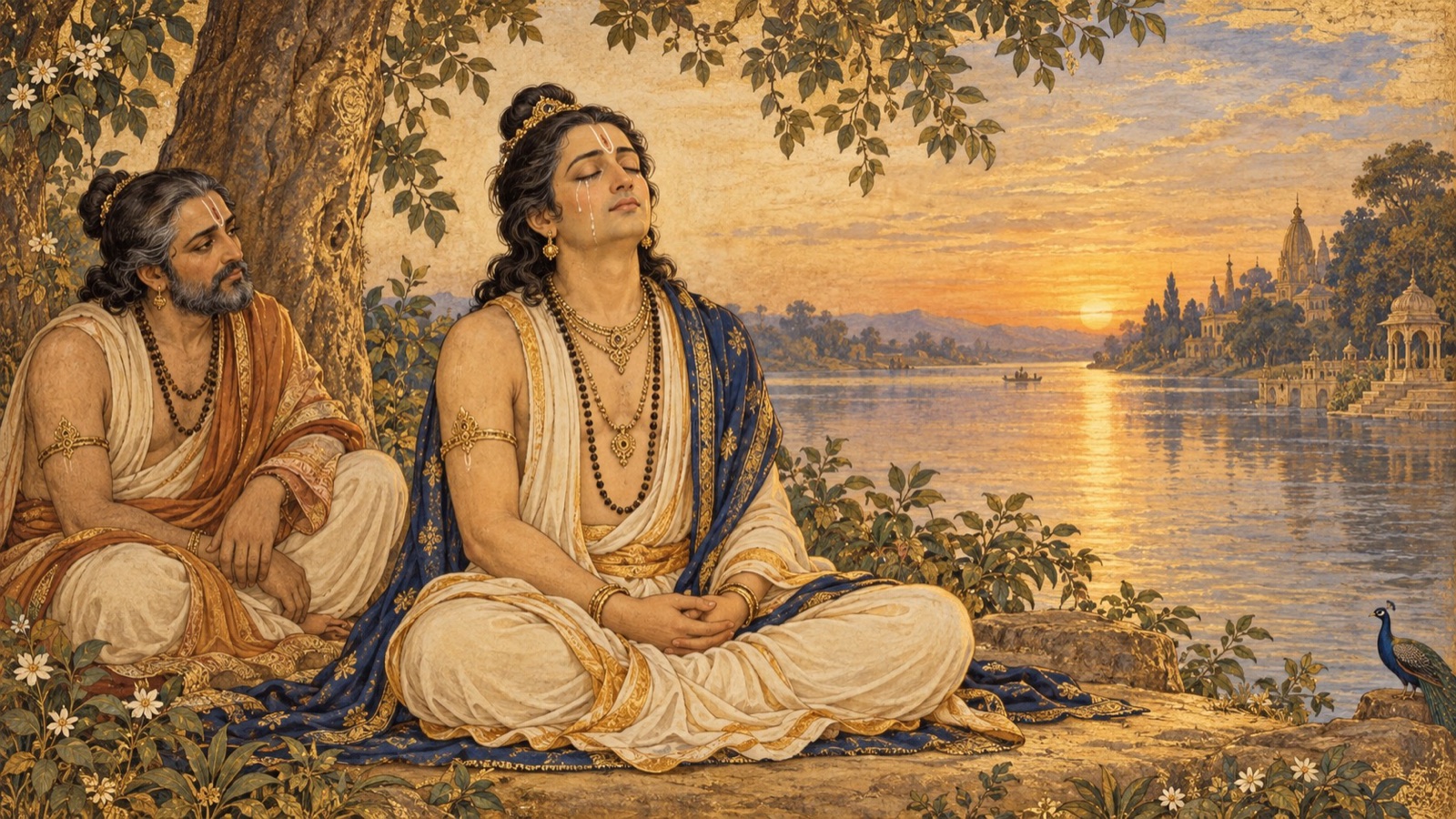
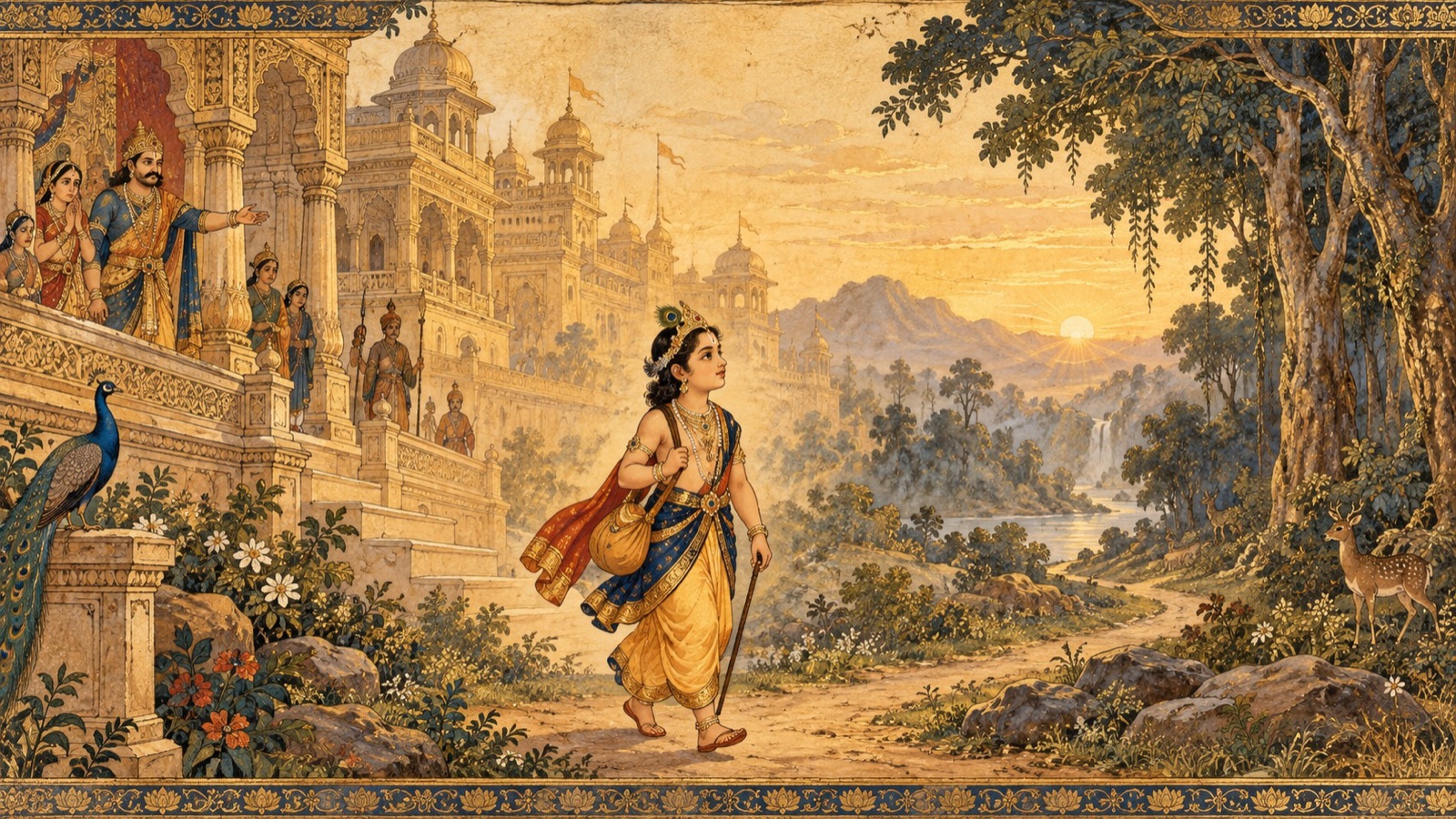
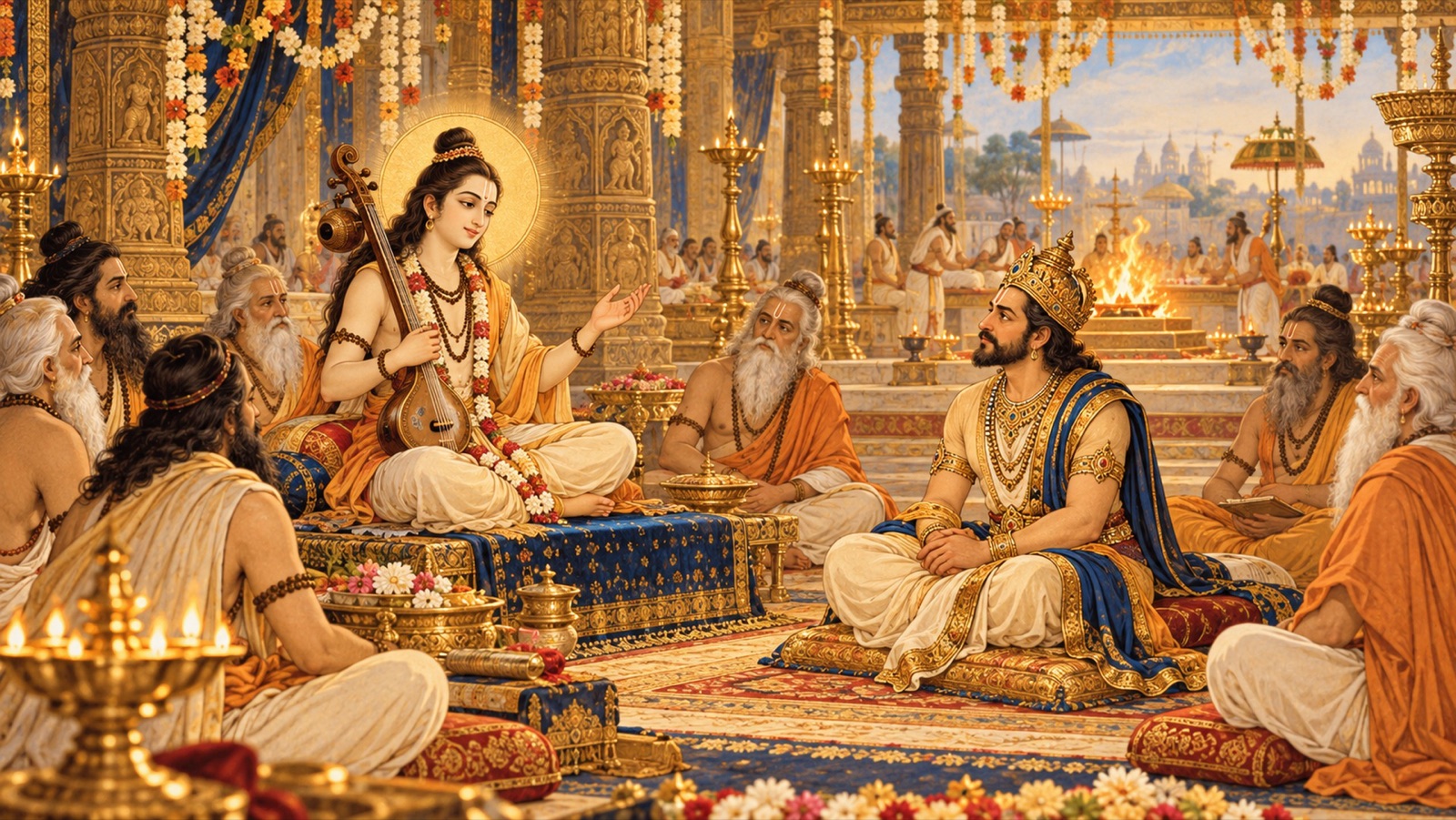
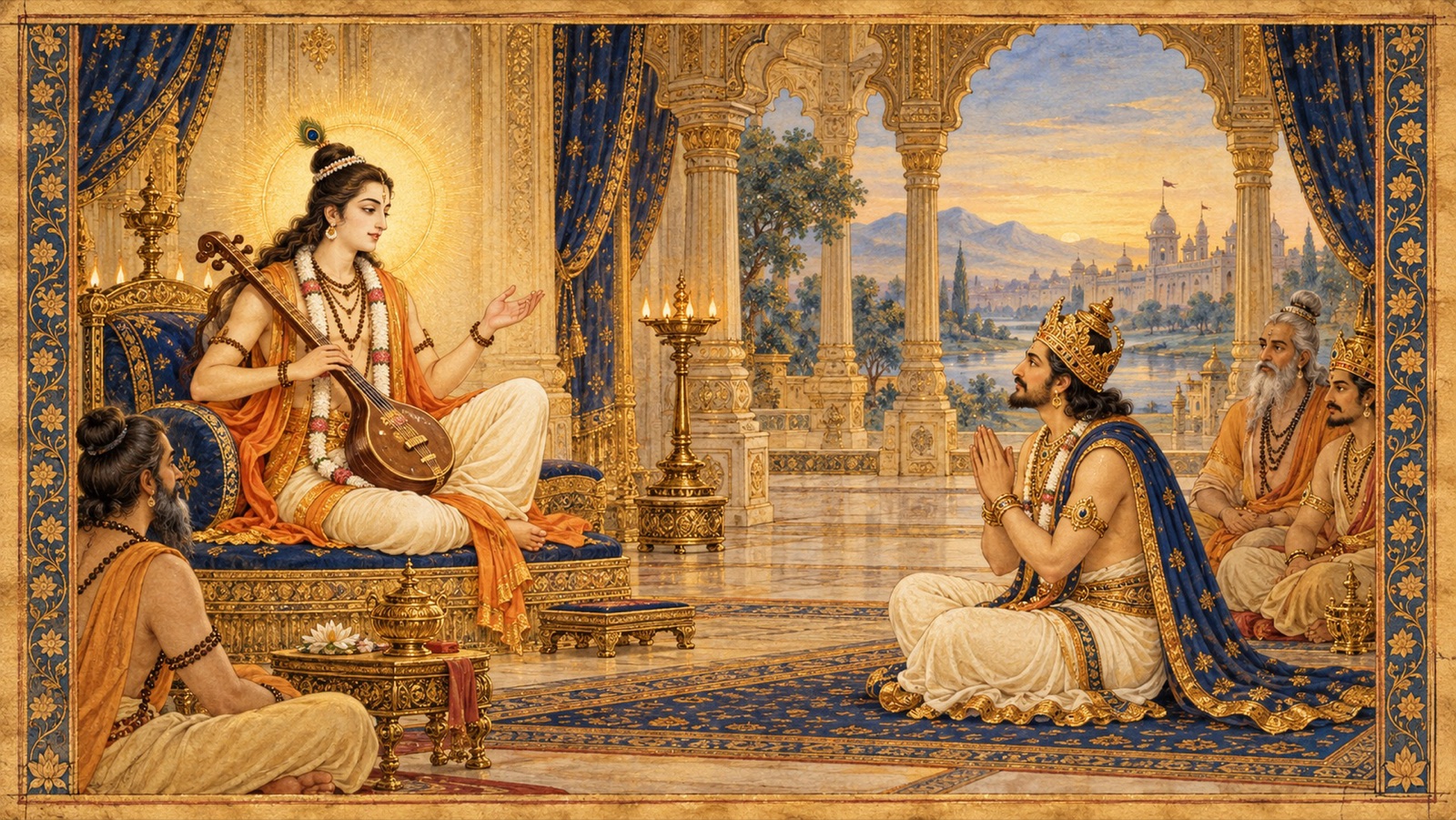
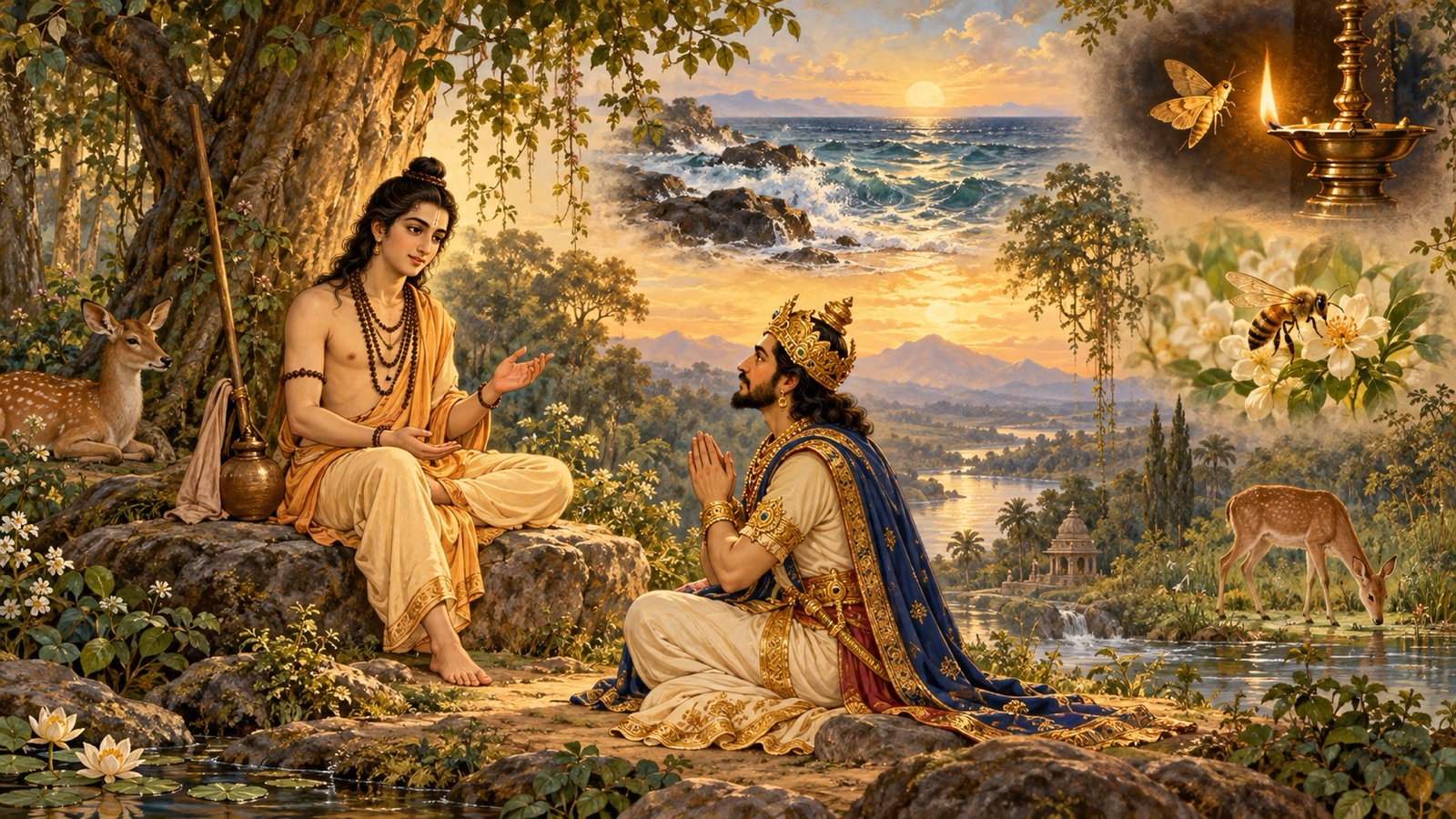
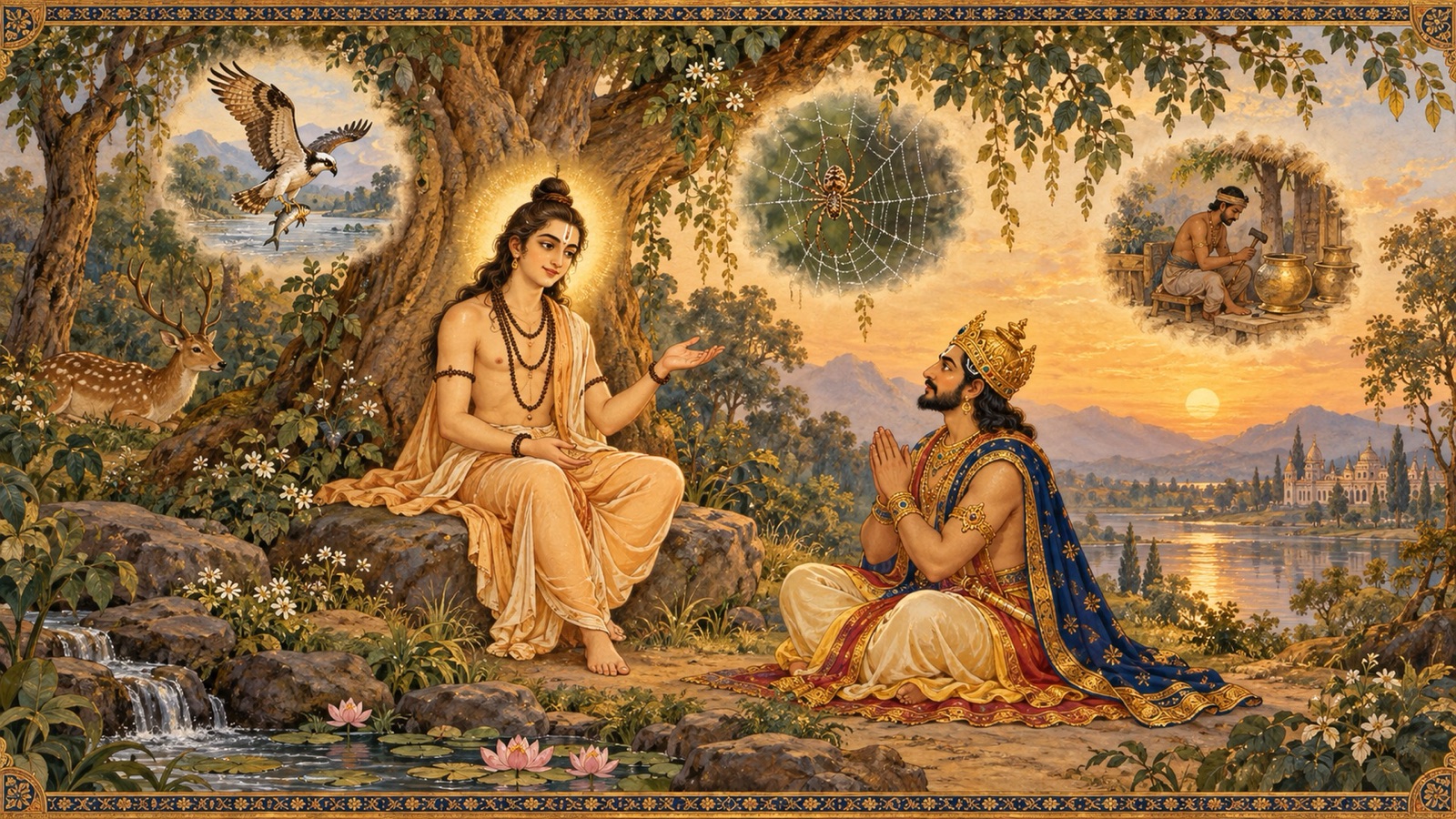
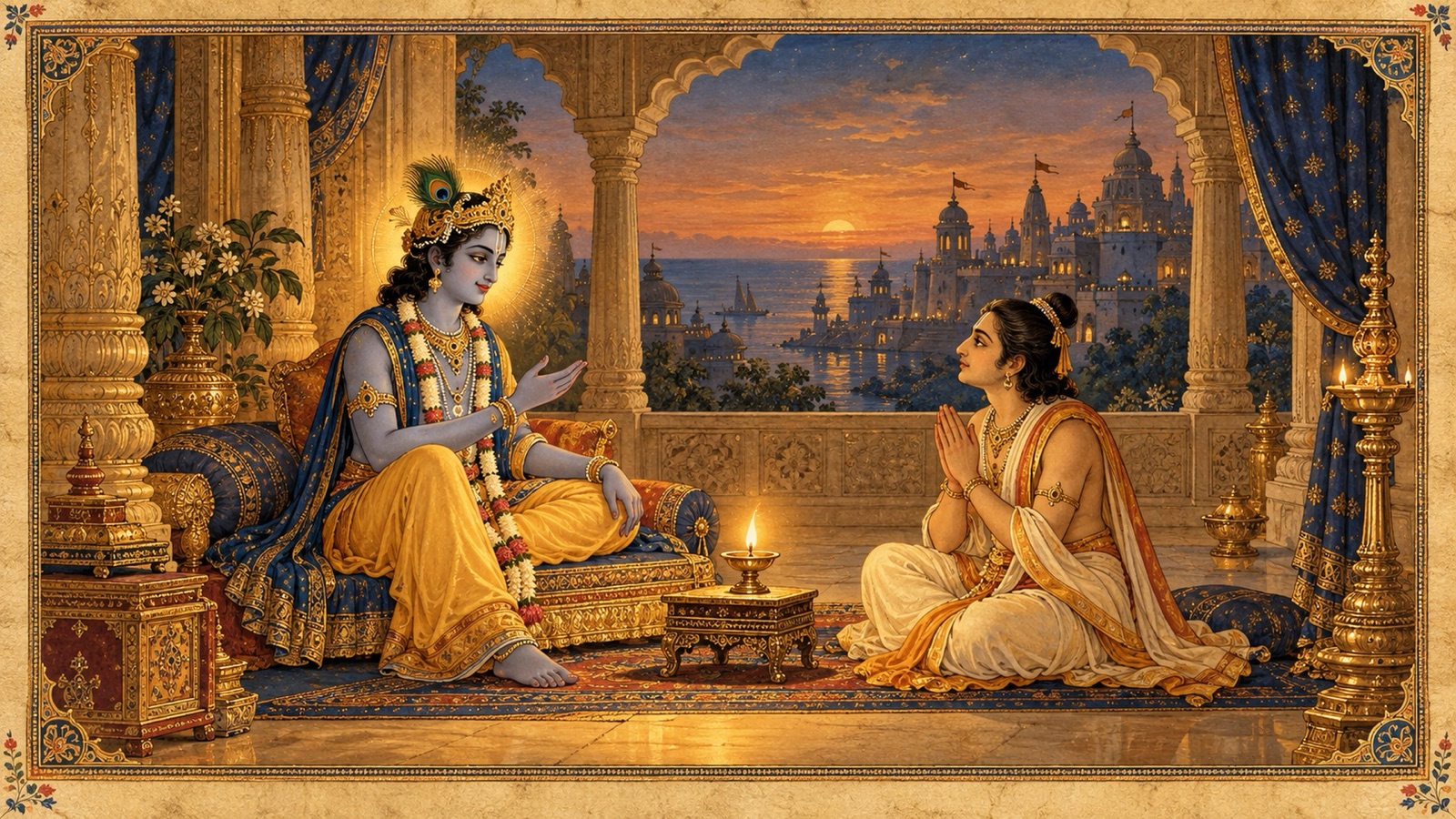
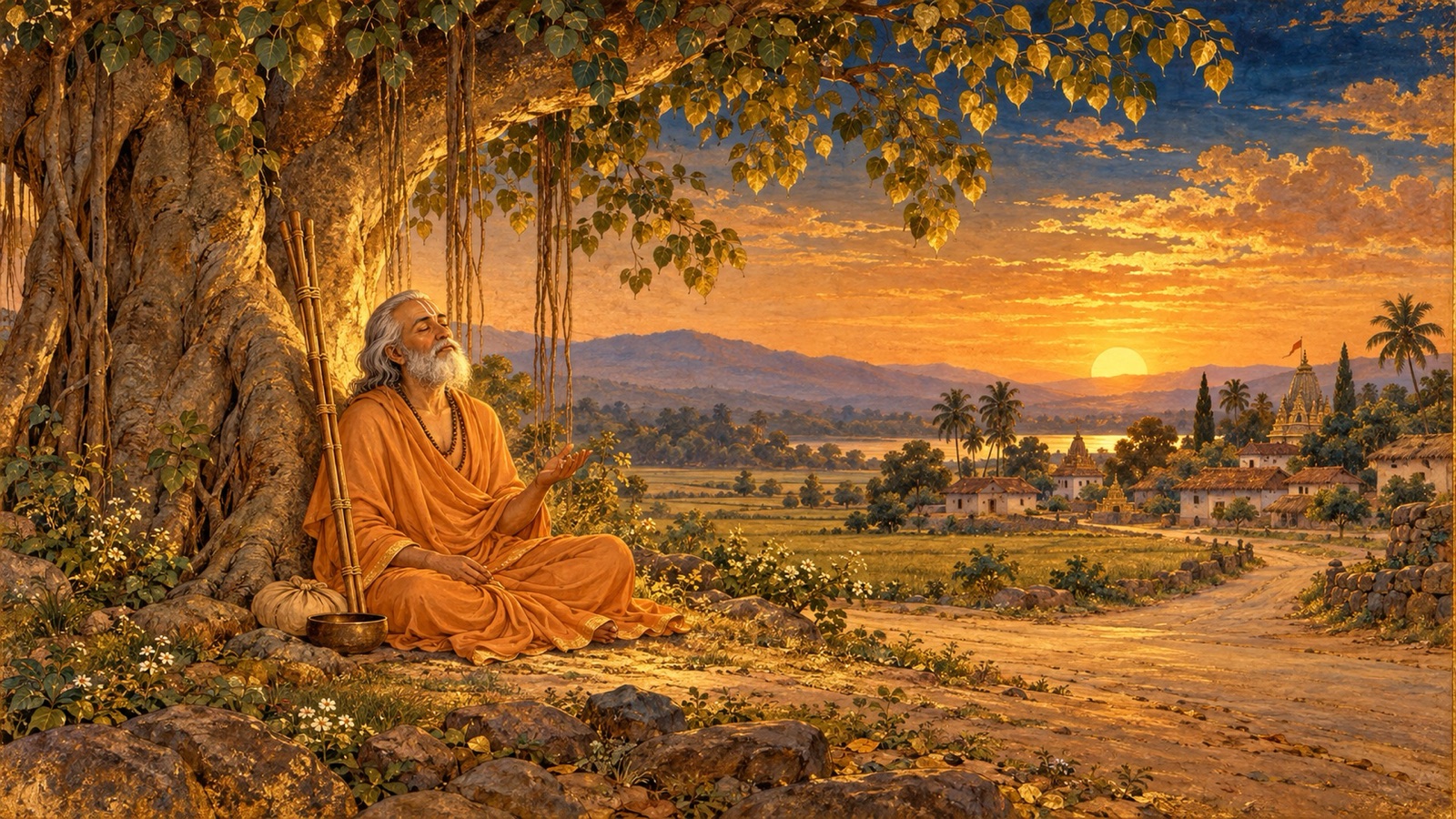
Narada names the one thing missing from Vyasa's great work and recalls how, as a servant-boy, hearing Krishna's glories carried him to the Lord. A faithful, verified retelling.
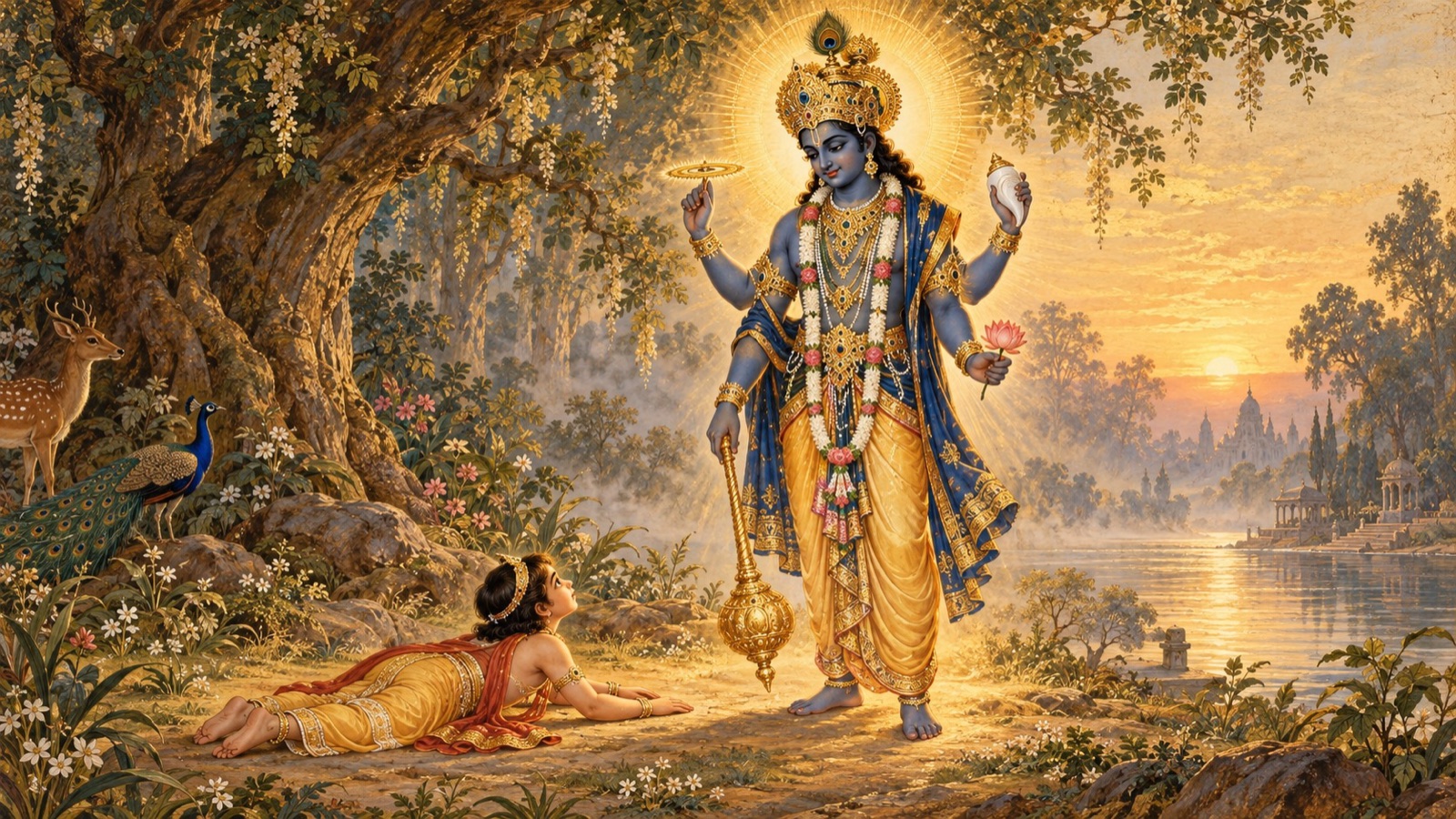
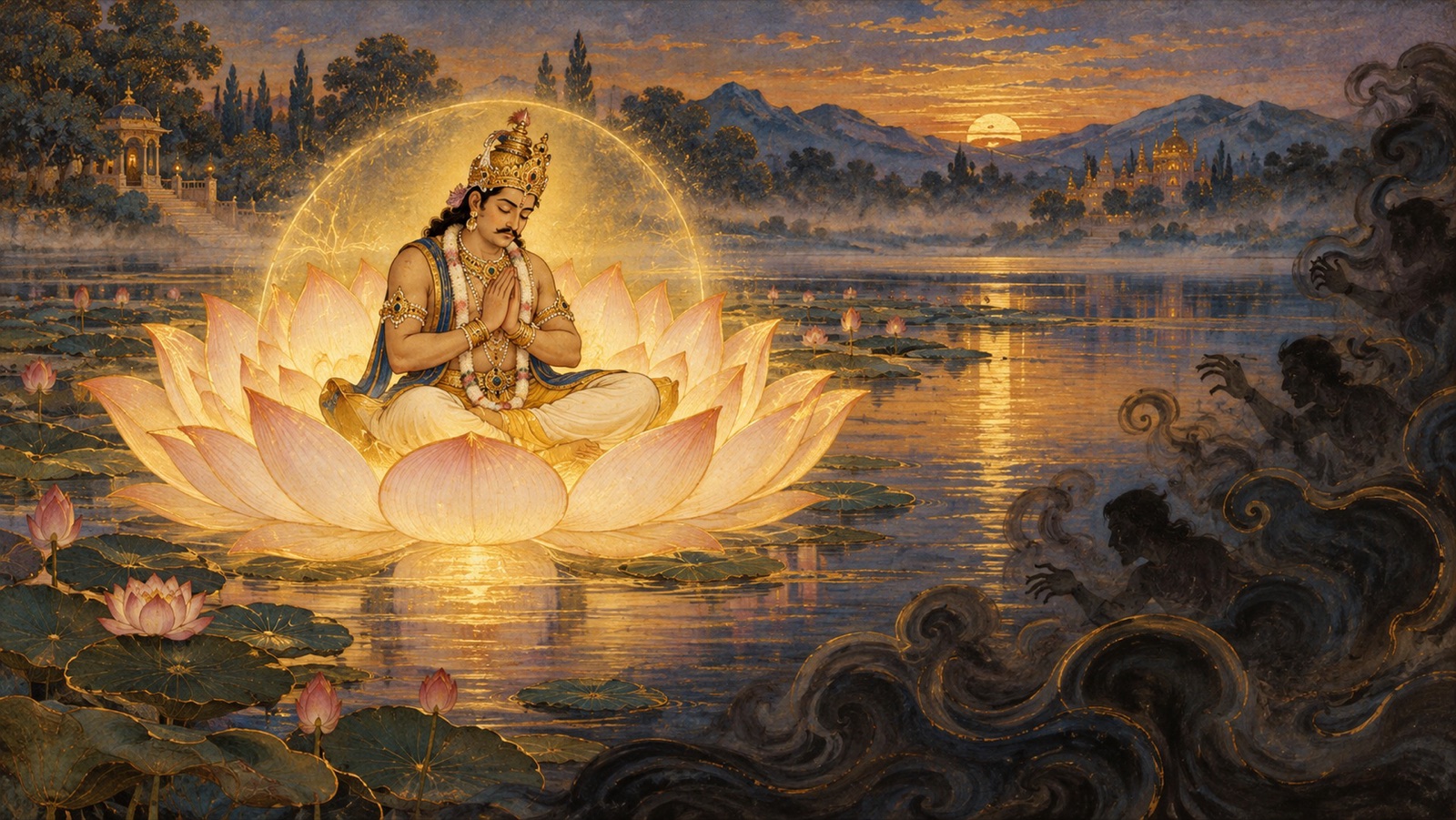
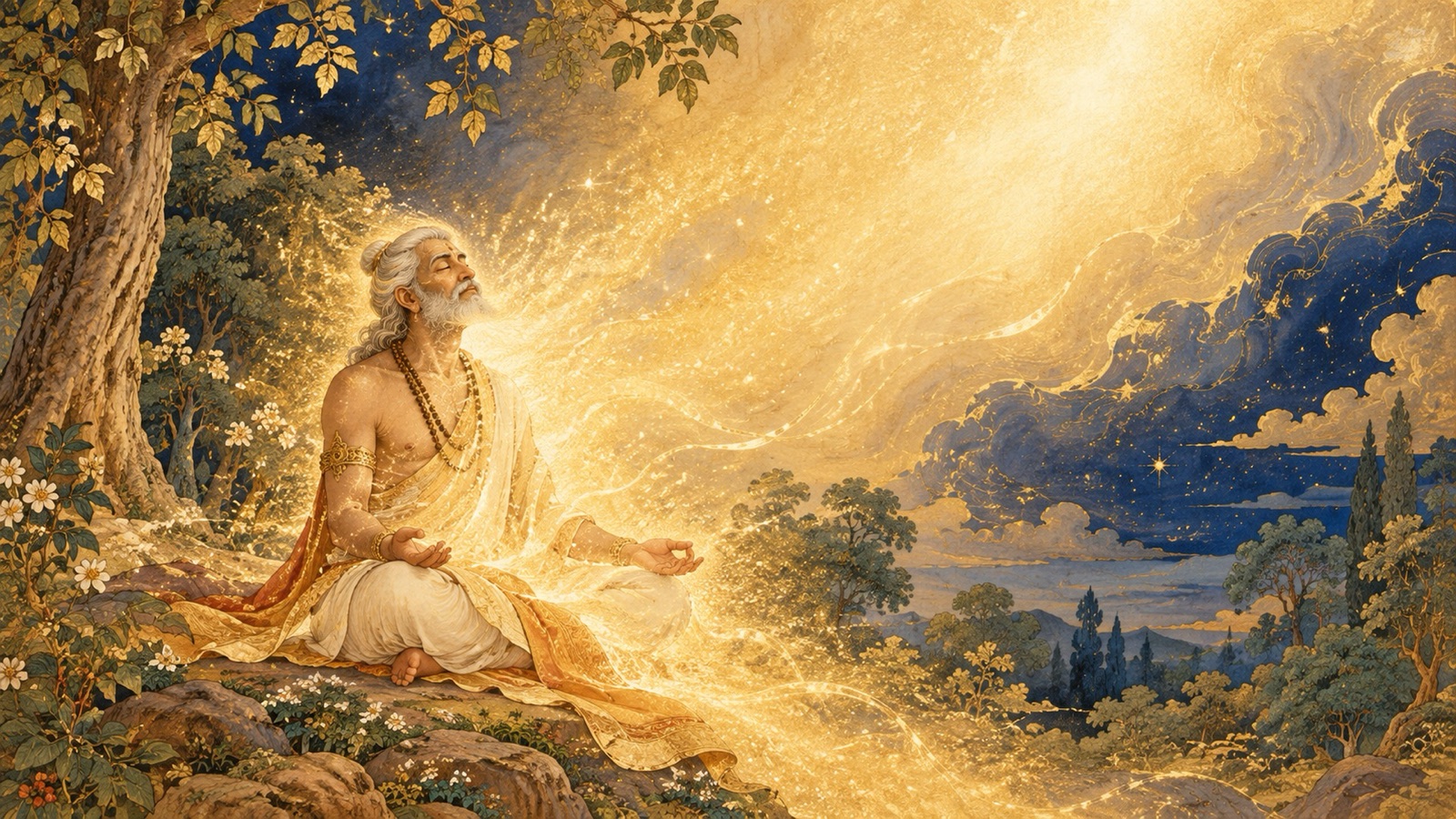
The tender life-story of the sage Narada: a fatherless child, a vision of Sri Hari granted and withdrawn, and the vina-song that delights a weary world. A faithful devotional retelling.
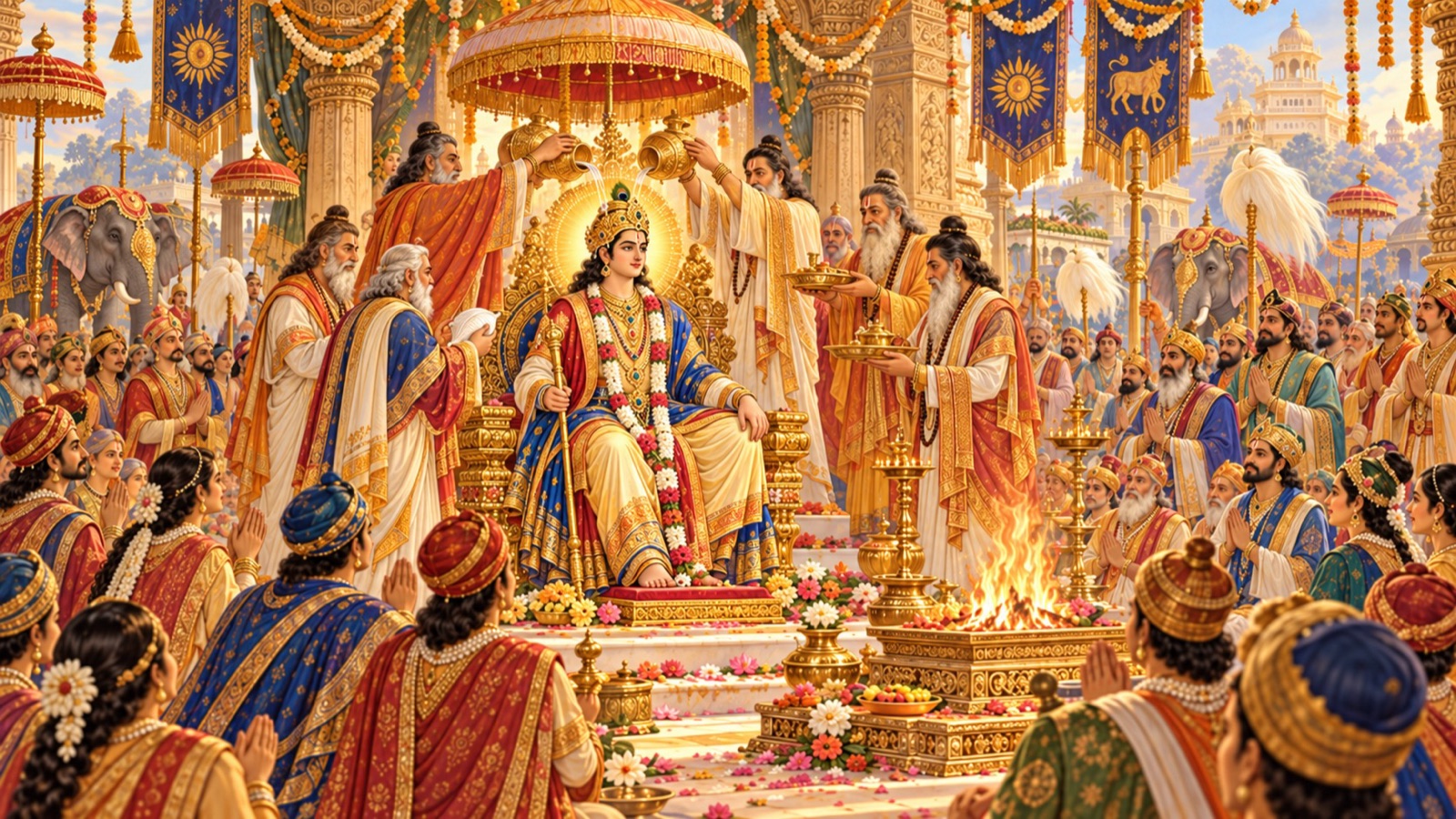
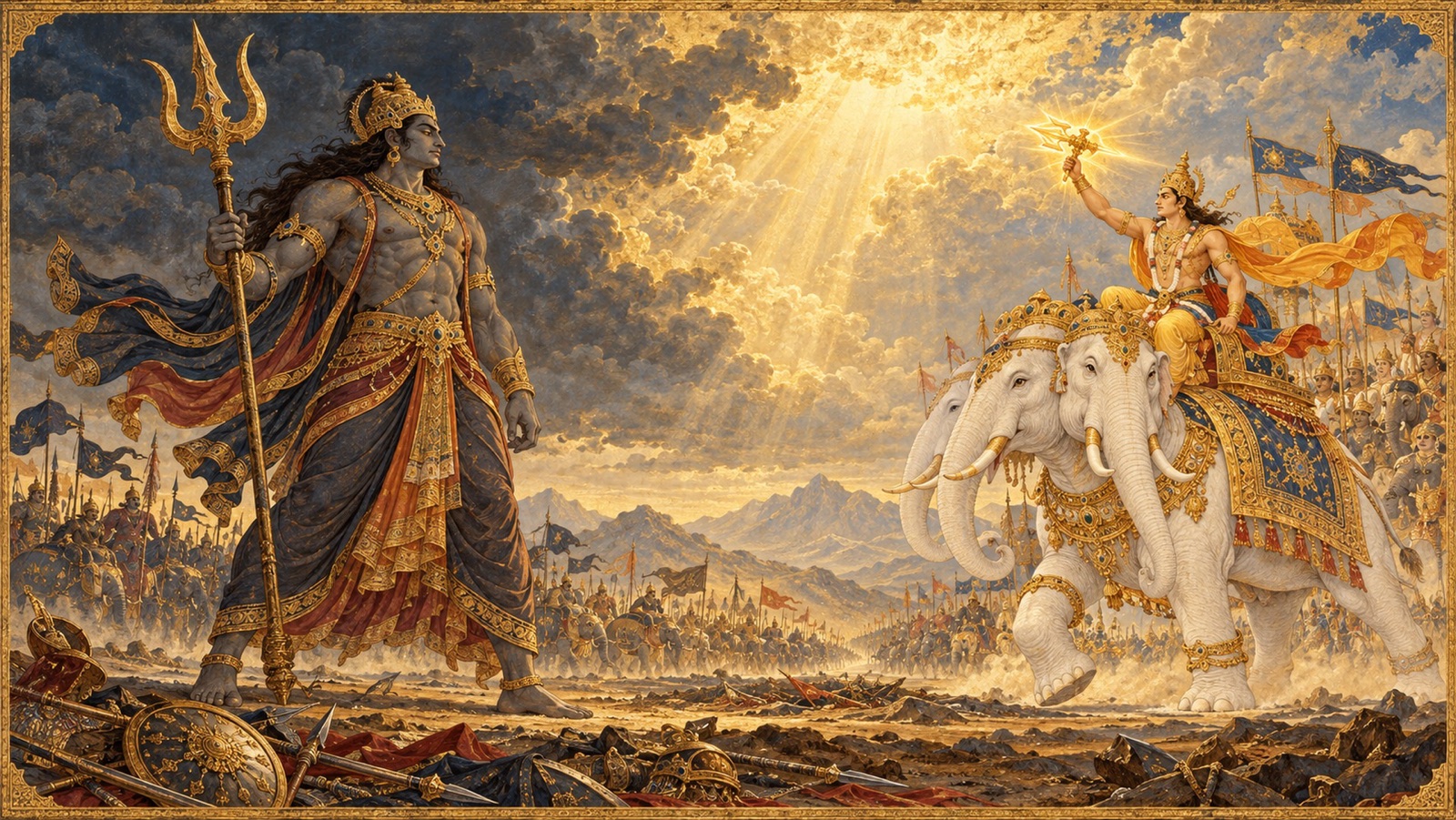
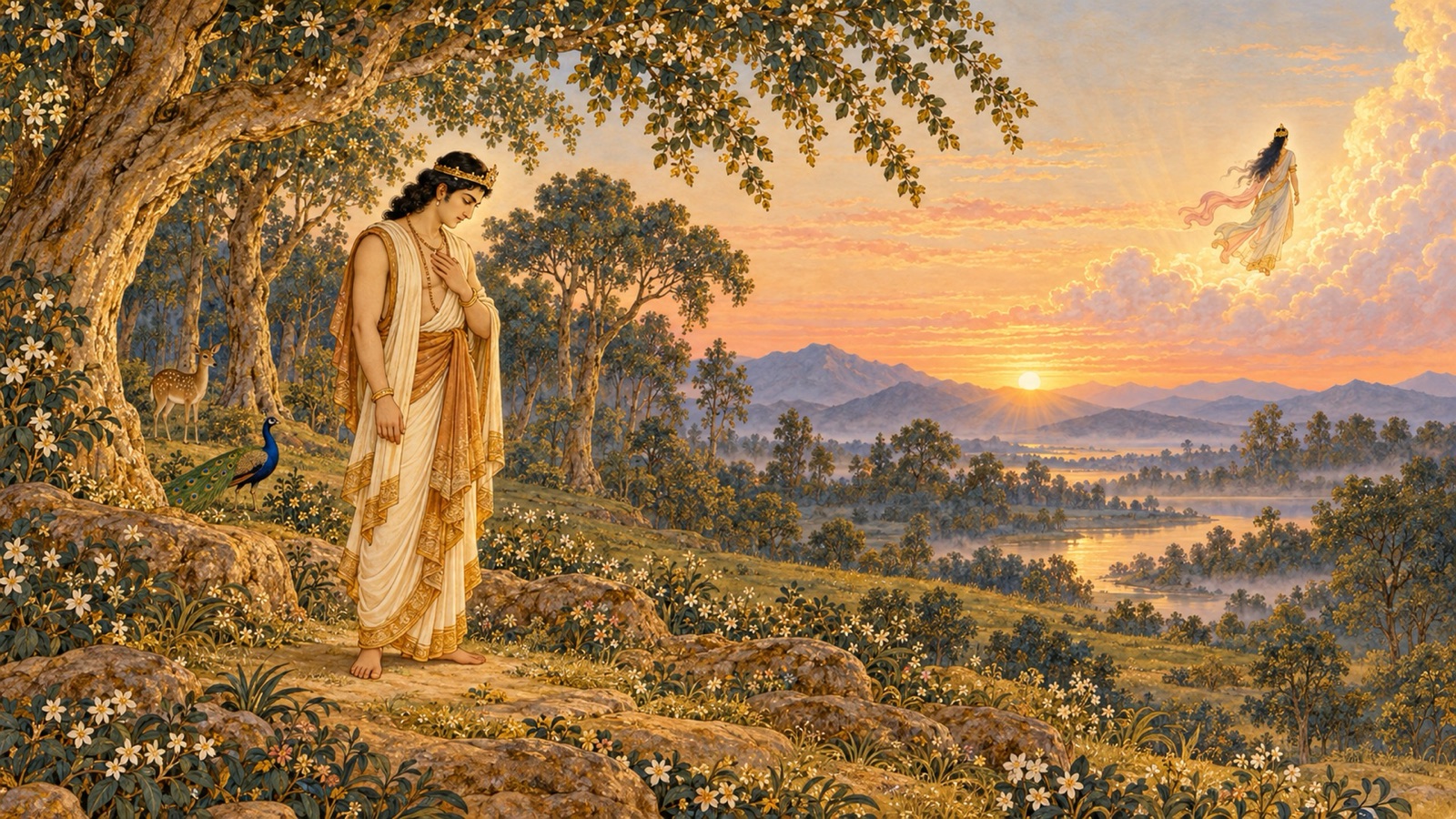
Vyasa gives the Bhagavata to the world; Arjuna captures Ashwatthama; Draupadi shows mercy and Krishna reconciles justice. A faithful devotional retelling with verified verses.
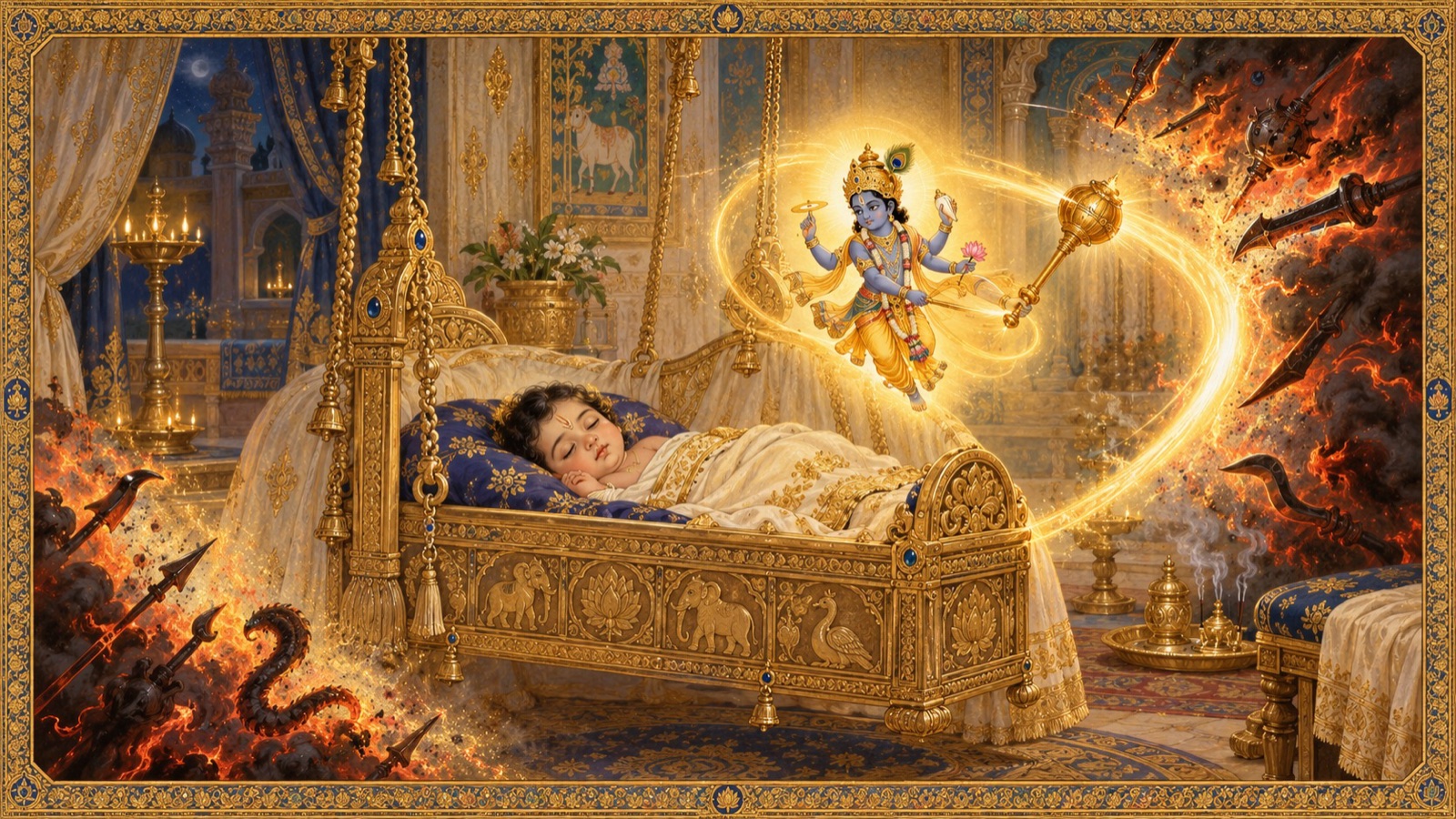
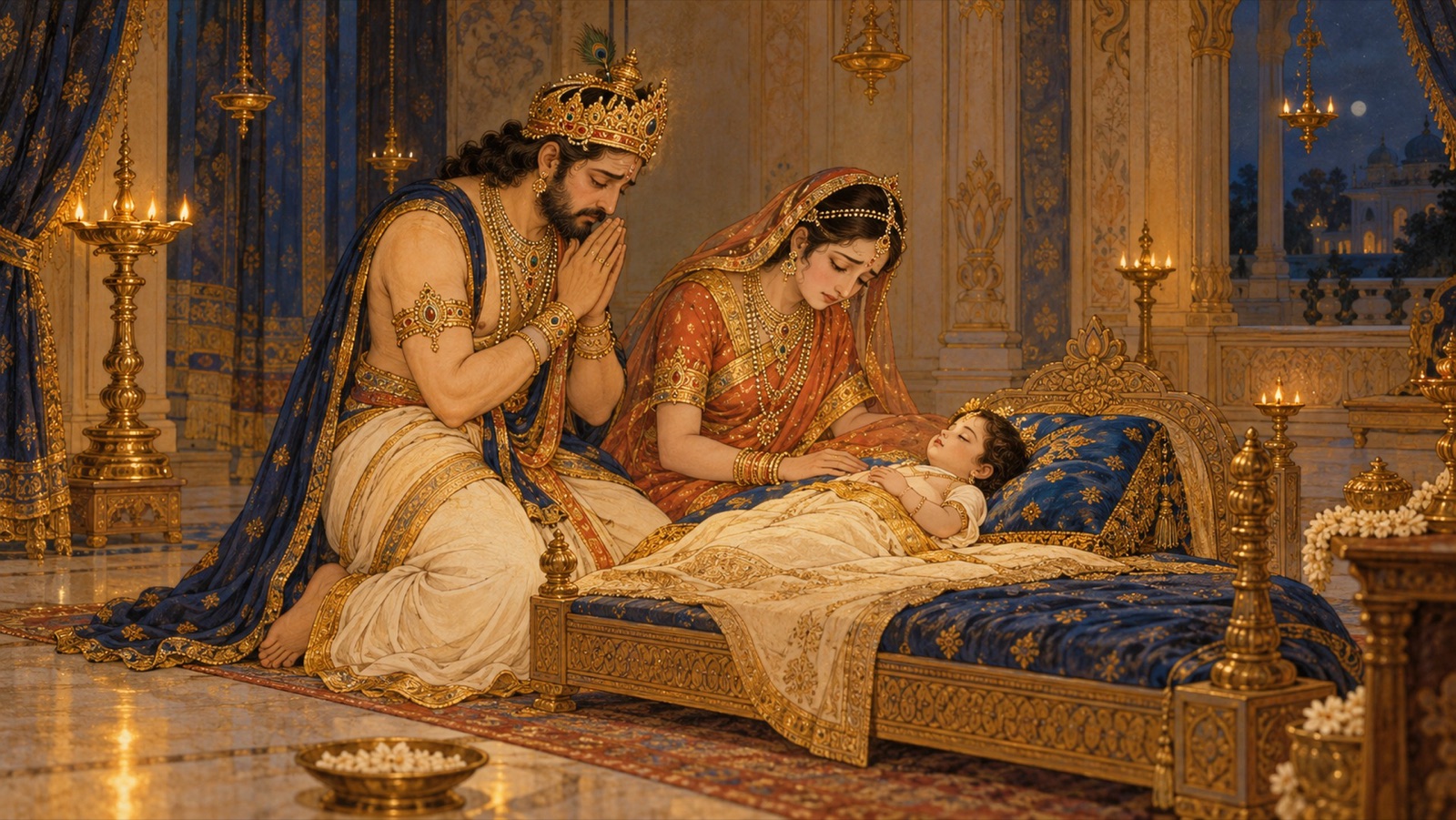
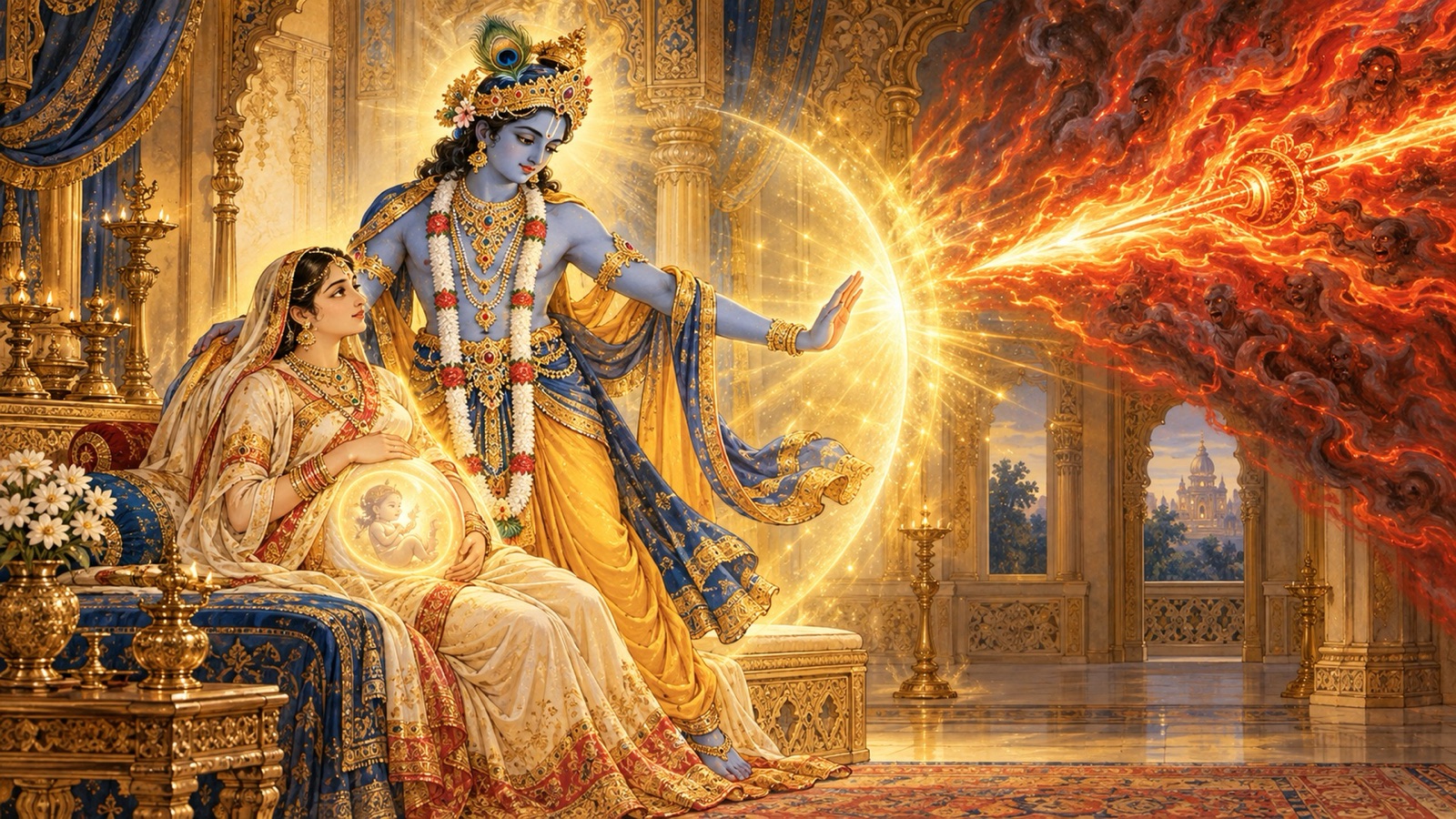
The Lord shields the child Parikshit in the womb and Queen Kunti prays for adversity so she may never forget Him. A faithful, devotional retelling with verified verses.
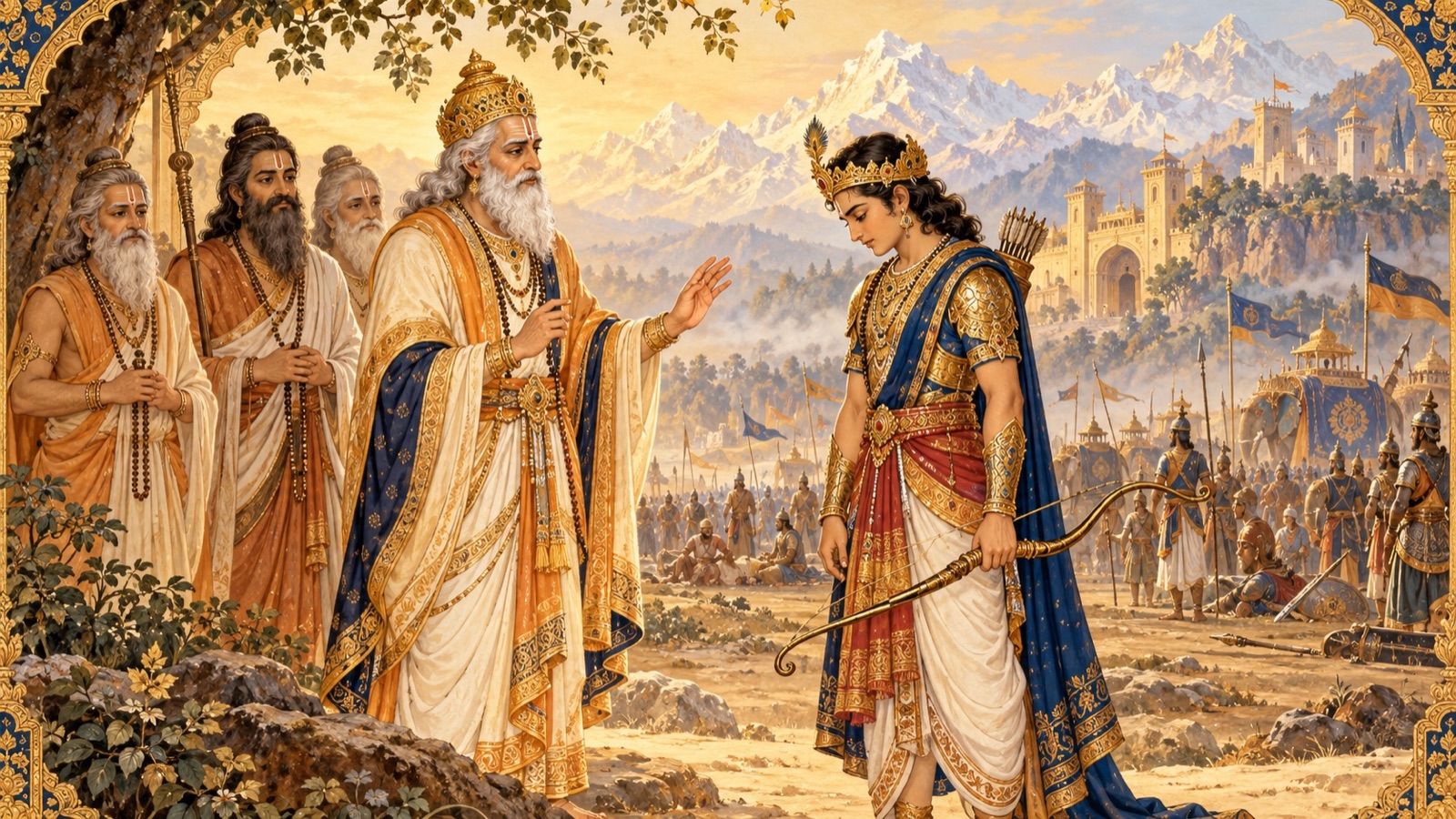
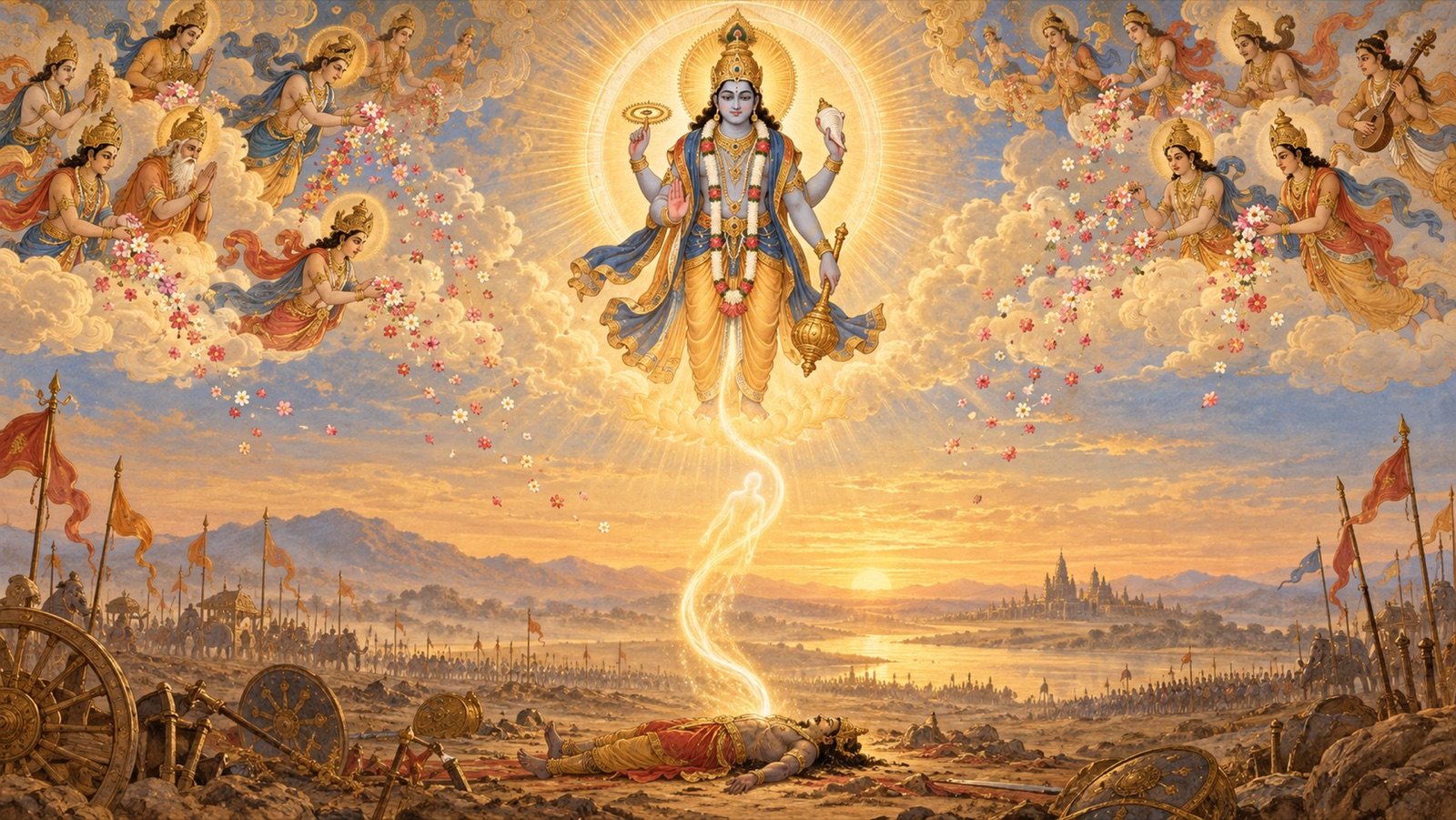
On his bed of arrows at Kurukshetra, Bhishma instructs Yudhishthira in Dharma and, gazing on Sri Krishna, gives up his body in a luminous prayer. A faithful retelling with verified verses.
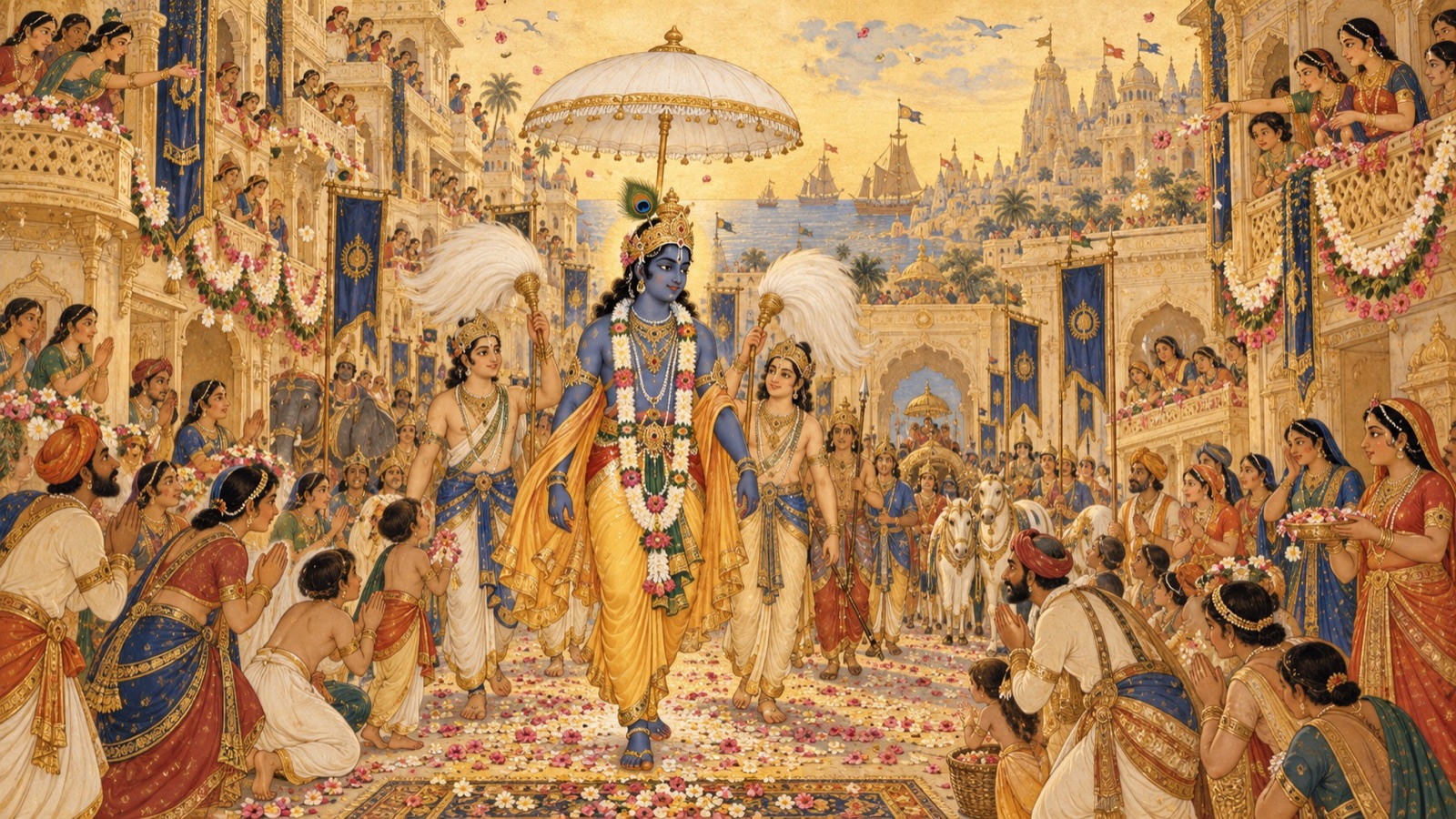
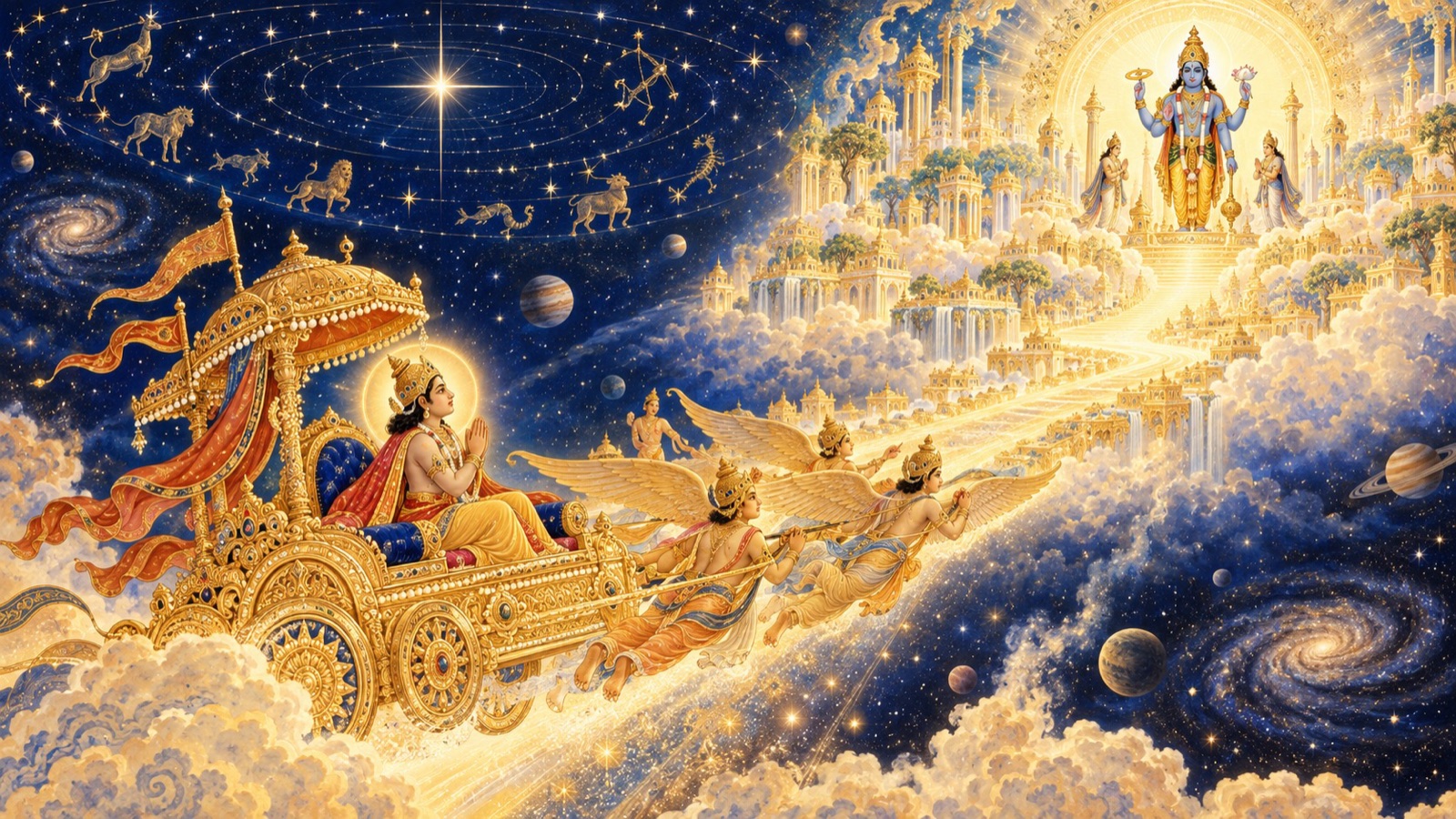
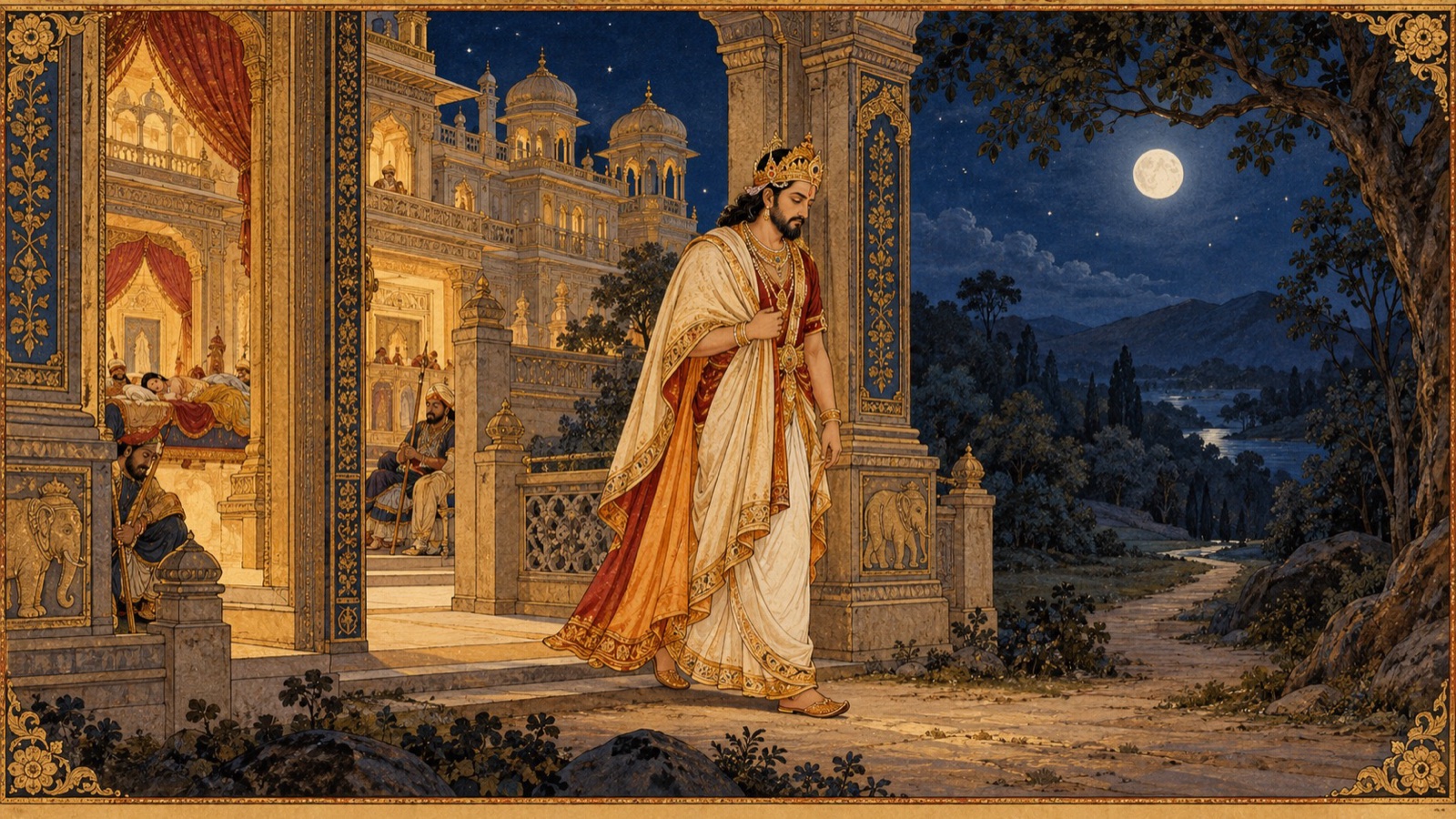
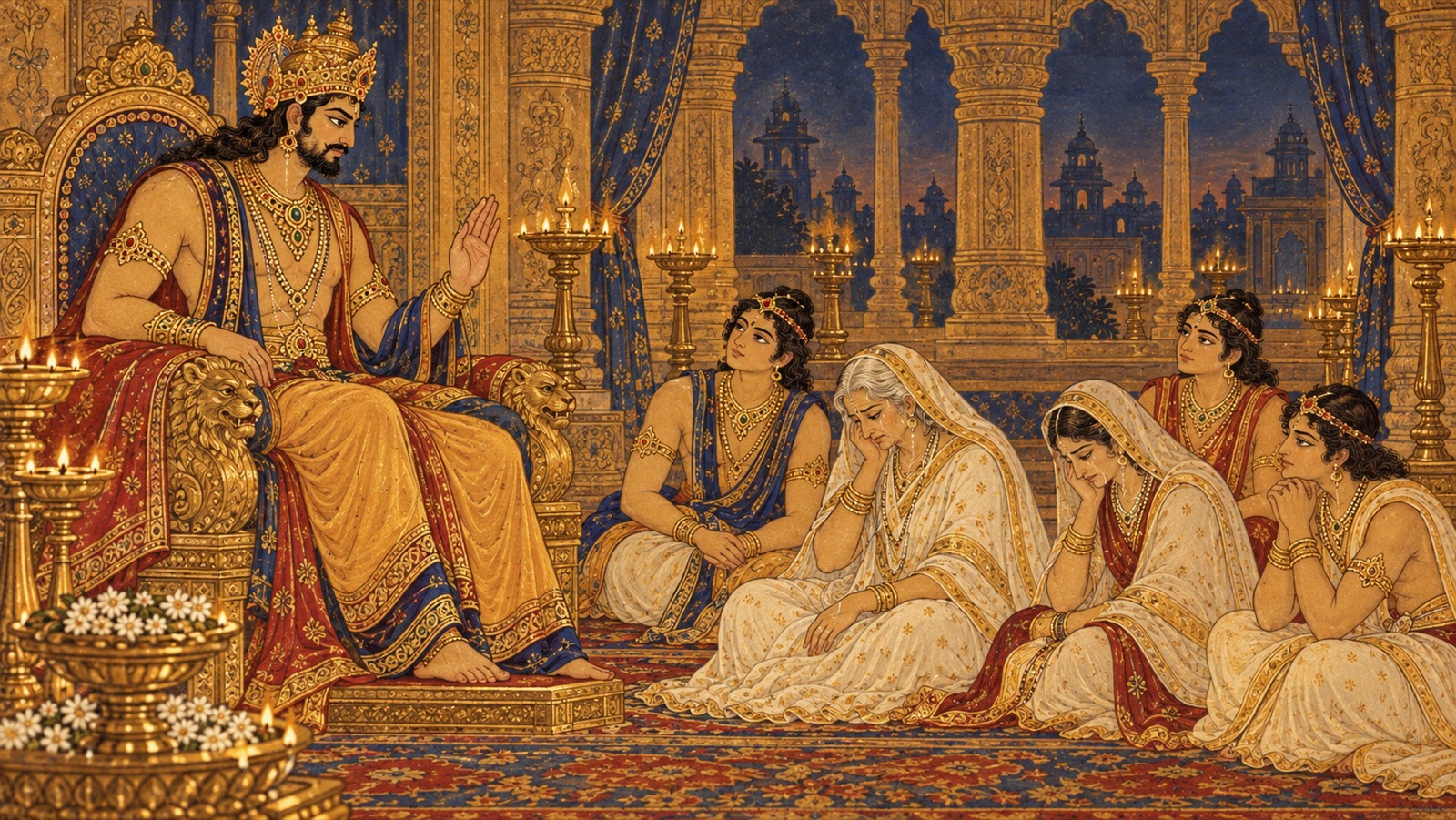
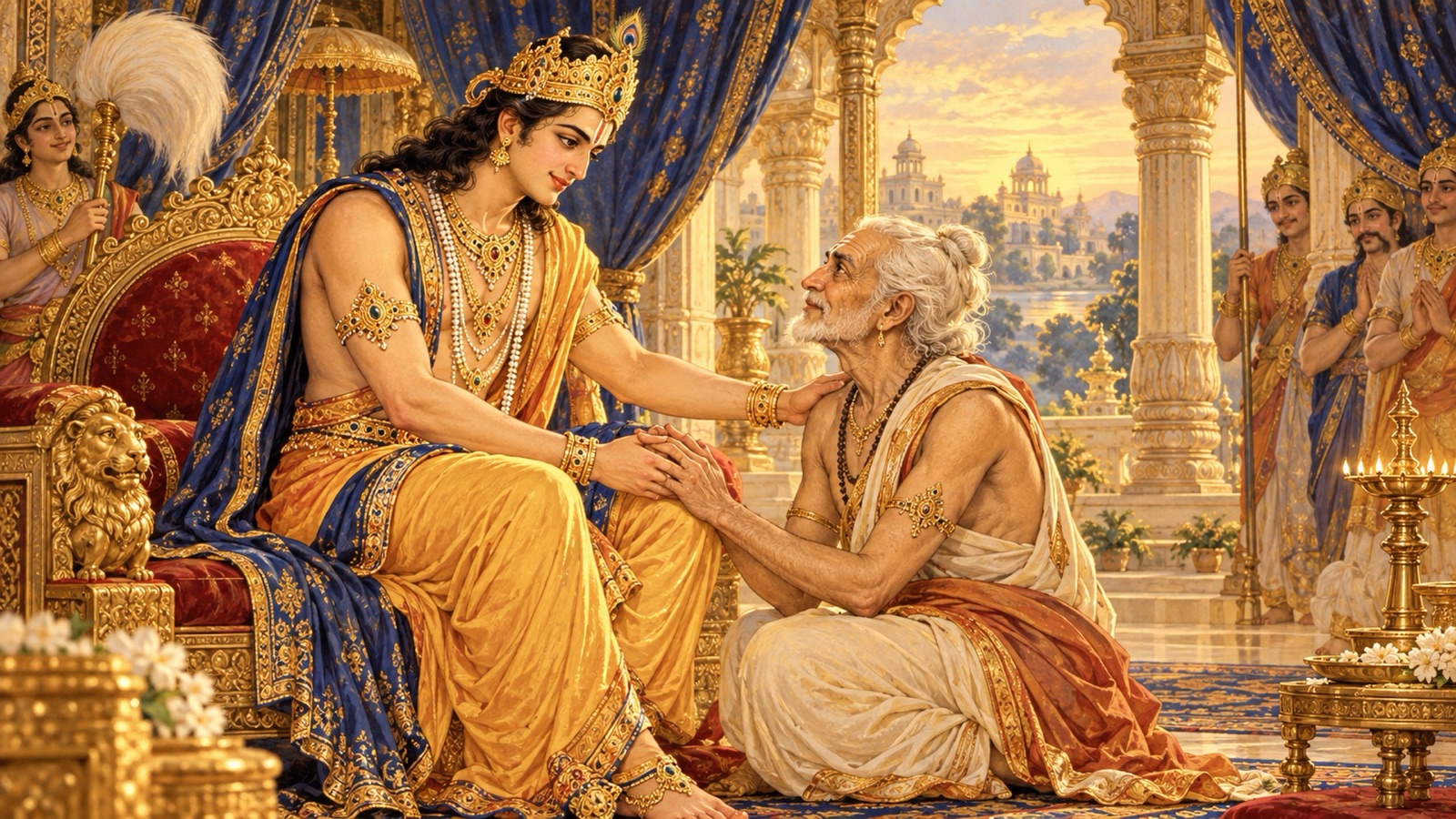
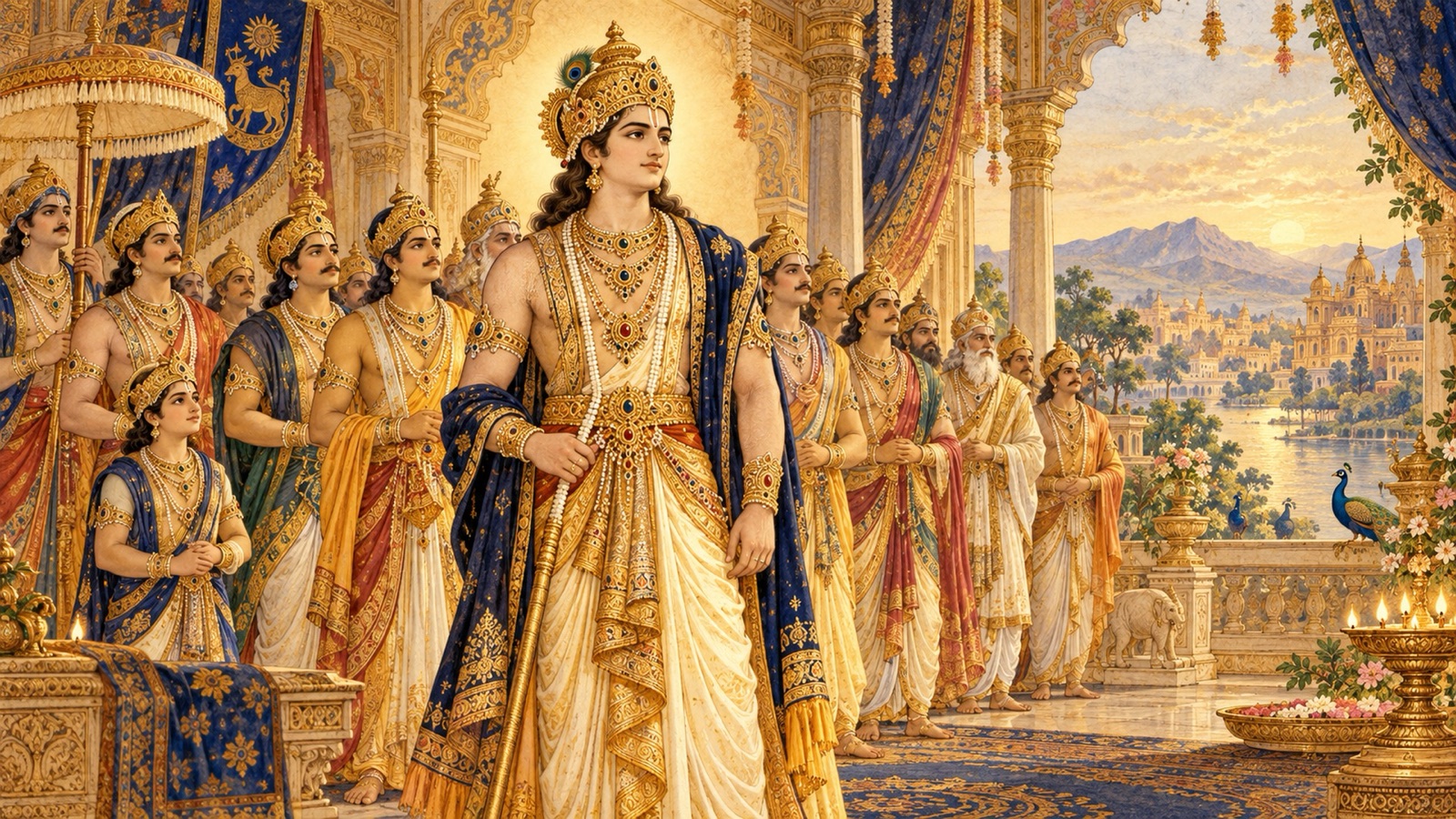
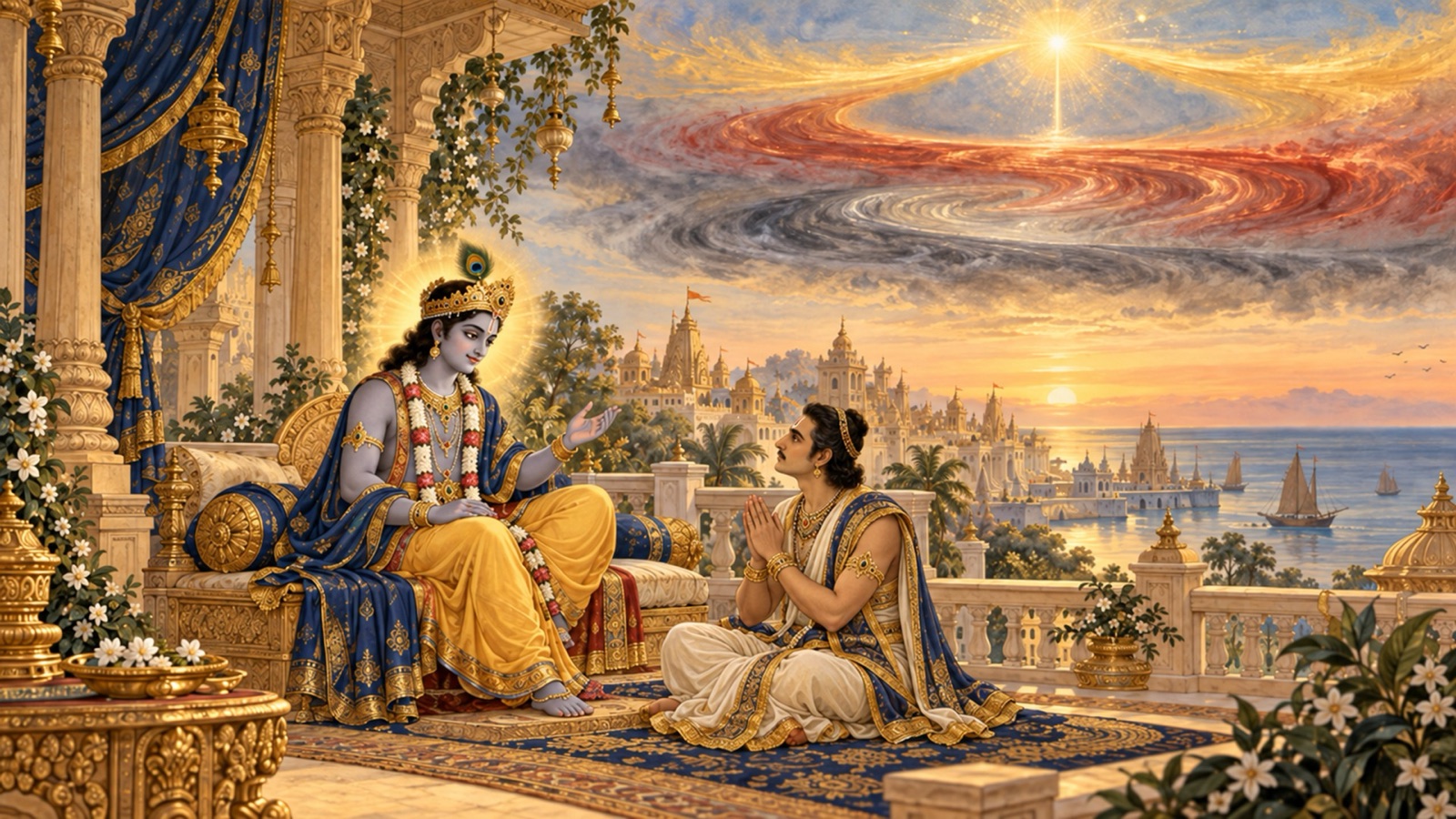
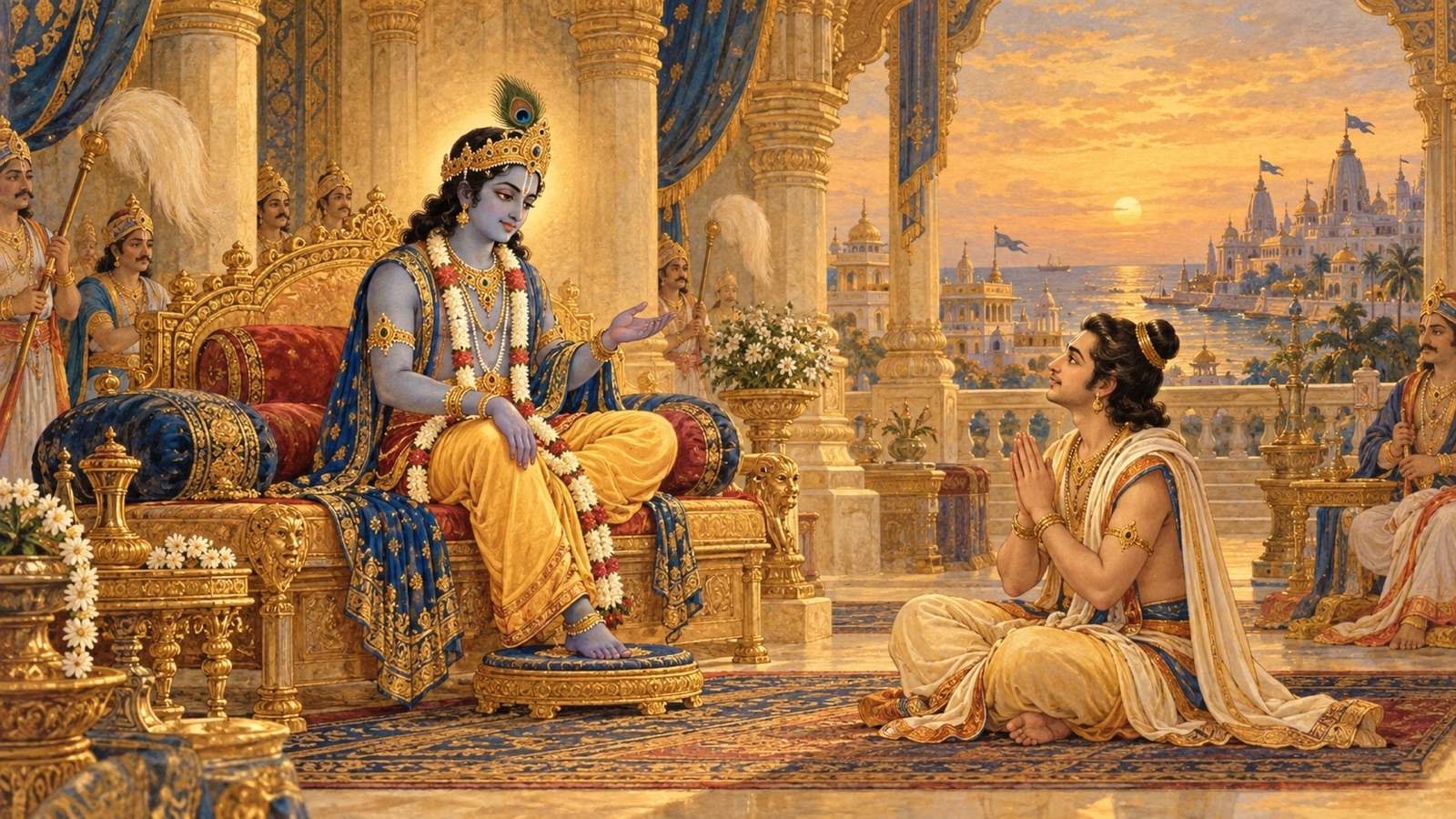
Sri Krishna takes His leave of Hastinapura amid flowers and grief, and journeys home to Dwaraka. A faithful, devotional retelling with verified verses.
Every episode of the series in scripture order — the Bhagavata Mahatmya first, then Canto 1 chapter by chapter. Each episode is grounded in the Gita Press Srimad Bhagavat Mahapuran and opens with the sacred invocation of Lord Vasudeva.